Navigating the home care landscape in New York City can feel like an overwhelming task when your primary focus is the health and safety of a loved one. As a Senior Nurse, I have seen firsthand how the right support system can transform a family’s quality of life and provide the peace of mind that comes from professional clinical intervention. In 2026, the NYC Human Resources Administration (HRA) continues to serve as the gateway for vital Medicaid-funded services that allow our seniors to age gracefully at home. This guide is designed to empower you with the correct contact information and clinical insights needed to navigate the system with confidence and compassion.
Clinical Quick Answer
To access Medicaid home care in 2026, you must contact the HRA Home Care Services Program at 718-557-1399 or visit a local CASA office to initiate a Nursing Assessment. This mandatory evaluation, conducted by the New York State Independent Assessor (NYIA), determines the clinical necessity and the specific number of personal care hours allocated to a patient. Timely submission of the M-11q medical form and proof of Medicaid eligibility are essential steps to ensure there are no delays in receiving professional at-home support.
Navigating the HRA Home Care Services Program (HCSP) in 2026
The Home Care Services Program (HCSP) within the NYC Human Resources Administration is the administrative body responsible for overseeing the Personal Care Services Program (PCSP) and the Long Term Home Health Care Program. As we move through 2026, HRA has further integrated digital tools to streamline applications, yet the core requirement remains a blend of financial eligibility and clinical need. For families, the HRA home care phone number NYC 2026 is the first point of entry into a system that provides aide services, nursing care, and physical therapy in the home environment.
- Centralized Access: The HRA Infoline (718-557-1399) serves as the primary hub for all initial inquiries regarding home care eligibility.
- Borough-Specific Offices: HRA operates CASA (Community Alternatives Systems Agency) offices in all five boroughs, which handle the localized management of home care cases.
- Managed Long Term Care (MLTC): Most NYC residents seeking home care will eventually transition to an MLTC plan, but the initial clinical “front door” is often managed through HRA or the State’s independent assessor.
- Digital Portals: In 2026, the ACCESS HRA website allows for the digital submission of many required documents, though the Nursing Assessment must still be conducted in person or via approved telehealth protocols.
The Vital Role of the Nursing Assessment
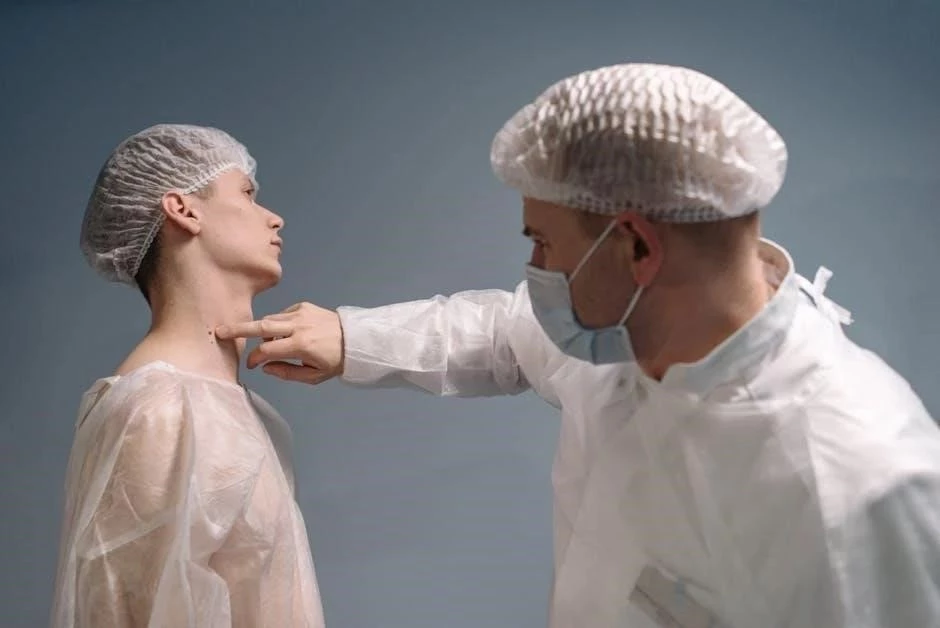
The Nursing Assessment is perhaps the most critical component of the entire application process. It is a comprehensive clinical evaluation performed by a Registered Nurse to determine how much assistance an individual requires with Activities of Daily Living (ADLs) and Instrumental Activities of Daily Living (IADLs). In the context of NYC Medicaid, this assessment is currently facilitated by the New York State Independent Assessor (NYIA) to ensure objectivity and conflict-free care planning.
- Assessment of ADLs: The nurse evaluates the patient’s ability to perform essential tasks such as bathing, dressing, toileting, transferring from bed to chair, and eating.
- Cognitive Evaluation: For patients with dementia or Alzheimer’s, the Nursing Assessment includes a review of cognitive impairment and the need for “directional assistance” or safety monitoring;
- Home Safety Review: The nurse examines the physical living environment to identify risks such as fall hazards or the need for durable medical equipment (DME).
- Developing the Plan of Care (POC): The data gathered during the Nursing Assessment is used to calculate the specific number of hours an aide will be authorized to work in the home.
Essential HRA Home Care Phone Number NYC 2026 Directory
Having the right contact information is essential for following up on pending applications or reporting changes in a patient’s condition. While the central Infoline is a general starting point, specific CASA offices are where the heavy lifting of case management occurs. Below are the projected primary contact points for 2026:
- HRA General Infoline: 718-557-1399 (Available Monday–Friday, 8:00 AM to 5:00 PM).
- Manhattan CASA Office: 212-331-3100 (Serving all neighborhoods from Harlem to the Battery).
- Brooklyn CASA Office: 718-262-3200 (Handling cases across the most populous borough).
- Bronx CASA Office: 718-510-0100 (Specialized teams for high-needs northern NYC residents).
- Queens CASA Office: 718-883-8000 (Multi-lingual support available for the diverse Queens population).
- Staten Island CASA Office: 718-556-7400 (Localized service for Richmond County residents).
Clinical Documentation: The M-11q and Physician Requirements
Before the Nursing Assessment can even take place, HRA requires a formal medical request for home care, known in New York City as the M-11q form. This form must be completed by a New York State licensed physician who has examined the patient within the last 30 days. It serves as the clinical foundation for the claim that home care is medically necessary.
- Physician’s Role: The doctor must document all chronic diagnoses, current medications, and the specific functional limitations that necessitate an aide.
- Form Accuracy: Discrepancies between the M-11q and the Nursing Assessment can lead to delays or denials, so it is vital that the physician is thorough.
- Submission Process: Once completed, the M-11q is typically faxed or uploaded to the HRA Home Care Services Program.
- Clinical Justification: The form must clearly explain why the patient cannot perform tasks independently, such as “severe osteoarthritis preventing safe bathing” or “congestive heart failure leading to extreme fatigue during meal preparation.”
Understanding the 2026 New York State Independent Assessor (NYIA)
In an effort to standardize care, New York State has centralized the assessment process through NYIA. This means that while HRA manages the Medicaid case and the local CASA office oversees the administrative aspects, the actual Nursing Assessment is often triggered by a call to the NYIA helpline. This system ensures that the nurse conducting the evaluation has no financial interest in whether the patient receives more or fewer hours.
- The Scheduling Process: Once you call the HRA home care phone number NYC 2026, you may be directed to schedule the NYIA evaluation by calling 855-222-8350.
- Clinical and Social Reviews: The NYIA process actually involves two steps: a Community Health Assessment (CHA) performed by a nurse and a Clinical Appointment performed by a physician or nurse practitioner.
- Conflict-Free Enrollment: This process ensures that patients are placed in the most appropriate care setting, whether that is traditional home care or a specialized program like CDPAP.
- Integration with HRA: After the NYIA completes its evaluation, the results are transmitted back to HRA for final hour authorization.
Maximizing Your Home Care Hours and Reassessments
Securing home care is not a one-time event; it is an ongoing clinical process. As a patient’s health changes, their care plan must evolve. In 2026, it is more important than ever to understand how to request a “Change in Condition” reassessment if a loved one’s health declines. This ensures that the Nursing Assessment reflects the current reality of the patient’s needs rather than their status from six months ago.
- Annual Reviews: Every recipient of HRA home care must undergo a Nursing Assessment at least once a year to maintain their services.
- Reporting Hospitalizations: If a patient is hospitalized, a new assessment may be required upon discharge to ensure the home environment is still safe.
- Advocacy: If the allocated hours are insufficient, families should work with their clinical team to provide additional documentation to HRA or the MLTC plan.
- State Oversight: For further information on patient rights and state-wide standards, always refer to the NY State DOH website for the most current regulations.
Nurse Insight: In my experience, the biggest mistake families make is trying to appear “too independent” during the Nursing Assessment. Many seniors are proud and may tell the nurse they can bathe or cook for themselves when, in reality, they are struggling or at high risk of a fall. I always advise families to be present during the assessment and to gently point out the daily challenges that the patient might minimize. Your honesty is the key to ensuring your loved one receives the safe, adequate hours they truly deserve.
Frequently Asked Questions
What is the first step to get home care through HRA in 2026?
The first step is ensuring the applicant has active Medicaid with no spend-down (or a plan to meet the spend-down). Once Medicaid is active, you should have your doctor complete the M-11q form and then call the HRA home care phone number NYC 2026 at 718-557-1399 to request an initial Nursing Assessment.
Does the Nursing Assessment happen at home or in a clinic?
Typically, the Nursing Assessment is conducted in the applicant’s home. This allows the nurse to evaluate the patient in their natural environment and identify any specific physical barriers or safety concerns within the household. In some cases, telehealth assessments may be offered, but in-person is still the standard for 2026.
Can I expedite the HRA home care process if it is an emergency?
Yes, HRA has an expedited process for individuals who are in “immediate need” of personal care services. If the patient is at risk of hospitalization or nursing home placement without immediate help, you can submit an Immediate Need application which requires HRA to fast-track the Nursing Assessment and financial eligibility determination.
What if I disagree with the nurse’s findings during the assessment?
If the Nursing Assessment results in fewer hours than you believe are necessary, you have the right to appeal. You can request a Fair Hearing through the New York State Office of Temporary and Disability Assistance (OTDA). It is helpful to have additional clinical documentation from the patient’s primary care physician to support the need for more hours during the appeal.
Is there a difference between HRA home care and MLTC?
Yes. HRA generally manages the initial “entry-level” personal care services and the application process for those not yet enrolled in a managed plan. Managed Long Term Care (MLTC) is a private insurance plan paid by Medicaid that manages the care for those who need long-term support. In 2026, most stable HRA cases are eventually transitioned into MLTC plans for long-term management.
Contact ProLife Home Care NYC for a free clinical assessment:(718) 232 – 2777