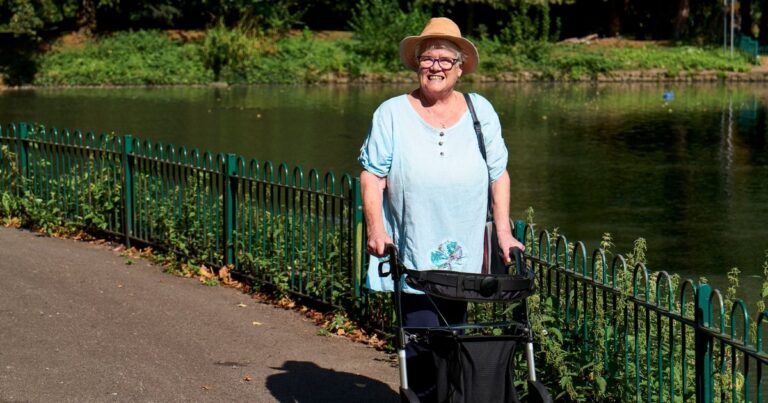
Mental Health & Isolation in the Big City: 7 Essential Ways to Stay Connected
Living in a bustling metropolis like New York City can feel exciting and full of opportunity. Yet, for many residents—especially older adults—Mental Health & Isolation in the Big City is a quiet and growing concern that requires urgent attention.

Surrounded by millions of people, it’s possible to feel more alone than ever. This guide explores why Mental Health & Isolation in the Big City happens, how it impacts emotional well-being, and what practical steps NYC residents can take to stay connected and supported. Dealing with urban loneliness is often linked to broader top common health issues for seniors in NYC.
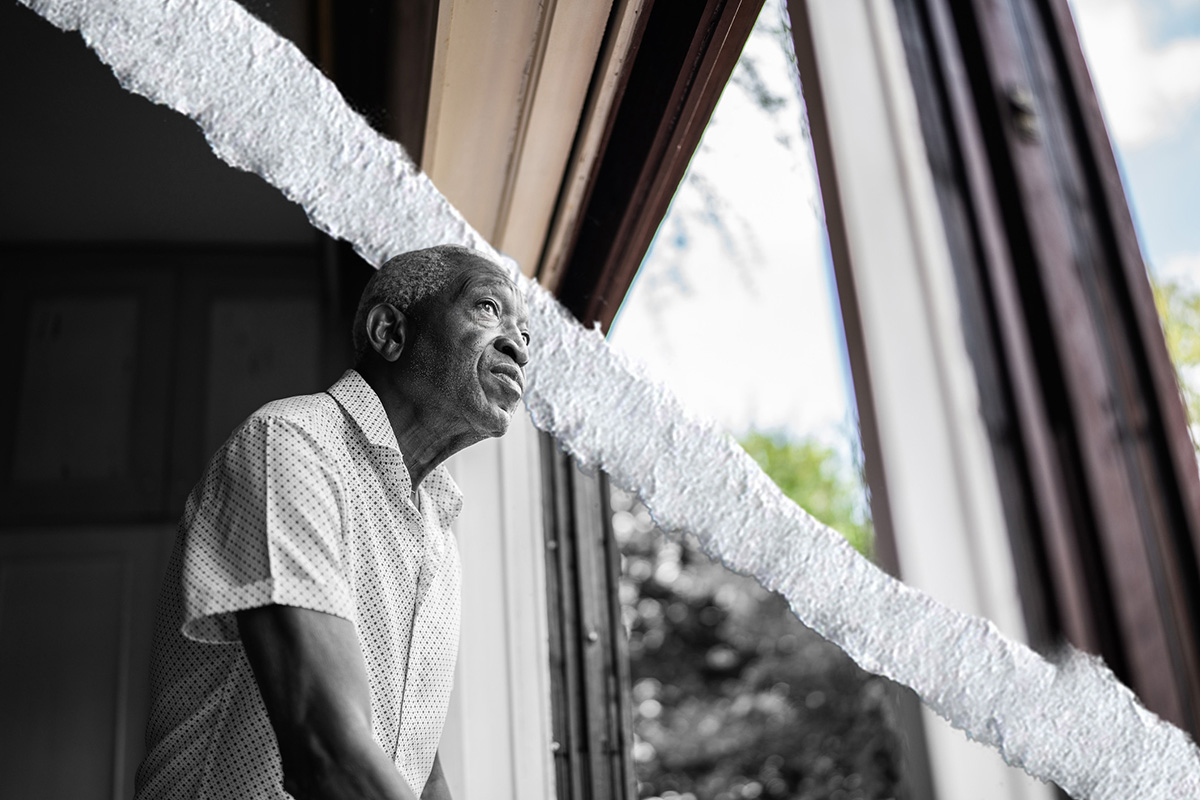
Understanding Urban Isolation and Emotional Health
What Social Isolation Really Means
Social isolation occurs when a person has limited contact with others. In big cities, isolation doesn’t always mean being physically alone—it can mean lacking meaningful interaction or emotional support. People may live in apartment buildings for years without knowing their neighbors. Over time, this lack of connection can worsen Mental Health & Isolation in the Big City, leading to severe emotional distress.
Loneliness vs. Being Alone
Being alone is a physical state, while loneliness is emotional. Someone can be surrounded by people on a subway or busy street and still feel deeply lonely. Mental Health & Isolation in the Big City often stems from this profound disconnect between physical proximity and emotional intimacy.
Why Big Cities Can Feel So Lonely for Seniors
Fast-Paced Urban Lifestyles
City life moves quickly. People rush to work and focus on screens, which can exacerbate Mental Health & Isolation in the Big City. Small interactions—like chatting with neighbors—often disappear, leaving little space for connection.
The Physical and Mental Health Effects of Isolation
Chronic loneliness increases the risk of anxiety and depression. Without regular social contact, Mental Health & Isolation in the Big City can cause worries to grow unchecked. Furthermore, isolation has been linked to memory problems and higher stress levels, which are critical factors for those receiving Alzheimer’s care in New York. Mental stimulation through conversation is vital for brain health.
Seniors and the Risk of Isolation in NYC
Many NYC seniors live alone in neighborhoods like Queens. Limited space and mobility challenges can reduce social outings, increasing the burden of Mental Health & Isolation in the Big City.
Mobility and Transportation Barriers
Stairs, crowded buses, and long walks can discourage seniors from leaving home. Over time, this can shrink their social world. Providing support through nurse services or professional companions can bridge this gap and improve overall well-being.

Recognizing Warning Signs Early
Common signs that Mental Health & Isolation in the Big City is affecting a loved one include:
- Loss of interest in long-term hobbies.
- Changes in sleep patterns or appetite.
- Withdrawal from regular phone calls or visits.
- Increased irritability or pervasive sadness.
Recognizing these signs early allows for faster support and professional intervention.
Coping Strategies for Urban Residents
Building daily social connections is the best defense against Mental Health & Isolation in the Big City. Saying hello to neighbors, joining local classes, or scheduling regular video calls can improve mood. Creating a routine gives structure; daily walks or attending community programs help residents feel valued. For those needing help with daily care, the Medicaid CDPAP program can provide paid companionship from family members.
NYC Mental Health Resources
New York City offers extensive support, including community counseling centers. The NYC Department for the Aging is a trusted starting point. Additionally, families can utilize a NYS Pooled Trust for Medicaid eligibility to afford necessary in-home social support.
Frequently Asked Questions: Mental Health & Isolation in the Big City
1. Is isolation common in big cities like NYC?
2. How does isolation affect mental health?
3. Are seniors more at risk for urban isolation?
4. Can social programs really help with Mental Health & Isolation in the Big City?
5. What if someone doesn’t want to leave home?
Conclusion
Mental Health & Isolation in the Big City is a serious but manageable challenge. With awareness, community support, and small daily efforts, NYC residents—especially seniors—can build meaningful connections. Small steps can make a big difference in emotional well-being.
Support Your Loved One’s Emotional Health
Loneliness shouldn’t be part of aging. Contact ProLife Home Care today for a free assessment and learn how our companionship and nursing services can help fight Mental Health & Isolation in the Big City.
Get a Free Care AssessmentAt ProLife Home Care, we are dedicated to helping seniors stay connected and vibrant in the city they love.