Senior Safety & Scams: Protecting NYC Seniors from Fraud in 2026
Awareness and preparation are the best tools for protection. Senior Safety & Scams in NYC is a critical topic in 2026 as financial criminals increasingly target older adults through sophisticated AI-driven phone calls and home service fraud.
⚠️ 2026 Fraud Prevention Update: Critical Summary
In 2026, “AI Voice Cloning” scams have become the primary threat to NYC seniors. Criminals can now mimic a grandchild’s voice to request urgent funds. Protect yourself by watching for official yellow or blue envelopes from the HRA regarding Medicaid Redetermination, and never share details via phone. Professional 1-on-1 care is your strongest defense against isolated exploitation.
Why Senior Safety Matters More Than Ever in NYC
In a fast-paced city like New York, seniors often rely on digital tools and home services. Fraudsters know seniors manage savings or live alone in neighborhoods like Manhattan, Brooklyn, Brighton Beach, and Sheepshead Bay. Staying informed about Senior Safety & Scams in NYC dramatically reduces the risk of loss.
Most Common Scams Targeting NYC Seniors in 2026
1. AI Voice & Phone Scams
Scammers clones voices or pose as utility companies. Red flags: pressure to act immediately or requests for payment via cryptocurrency or gift cards.
2. Medicare & HRA Fraud
Criminals ask for details to “update records,” leading to identity theft. This is especially prevalent during Medicaid Redetermination windows.
3. Online & Email Phishing
Fake emails imitate banks to steal passwords. Seniors managing a NYS Pooled Trust should only use official, bookmarked links to access their accounts.
4. Romance & “Grandchild” Scams
Exploiting emotions is a 2026 trend. AI voice technology makes the “emergency” sound real. Always hang up and call the relative directly on their known number.
Practical Prevention Tips for Seniors & Caregivers
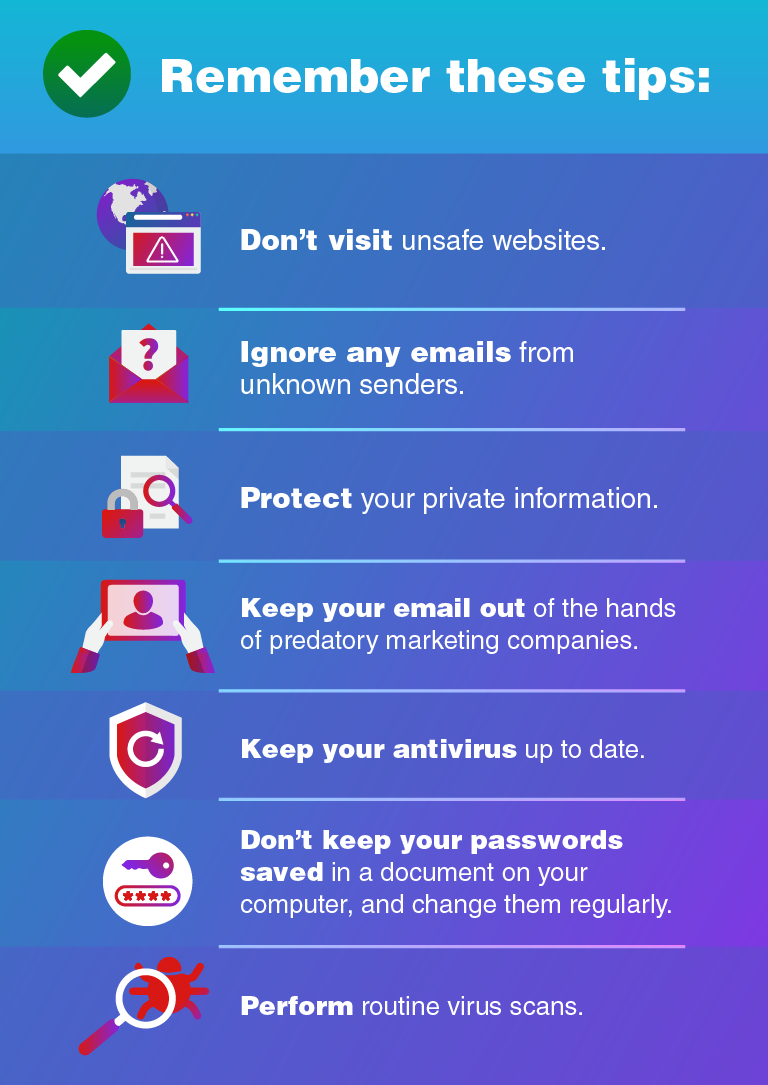
- Don’t share personal info: Medicare and the HRA already have your basic details. They will not call to ask for them unsolicited.
- Let unknown calls go to voicemail: Use “Silence Unknown Callers” on your smartphone.
- The 2-Factor Rule: Enable 2-step verification for all banking and nurse services portals.
- Professional Oversight: A 1-on-1 HHA provides a “human shield,” vetting visitors and phone calls for homebound seniors in Brooklyn and Queens.
What to Do If You Suspect Fraud
If you believe you’ve been targeted in Manhattan or Brooklyn, stop communication immediately. Report the incident to the NYPD, your bank, and the FTC. Early reporting prevents others from being victimized.
Expert FAQ: Senior Safety & Scams NYC 2026
1. What is the most common scam in NYC right now?
2. How do I know if a Medicaid call is real?
3. Is it safe to use a NYS Pooled Trust online?
4. Where should I report a scam in Brooklyn?
5. Can a Home Health Aide (HHA) help prevent scams?
6. How can I protect my Medicare ID number?
7. What is “Cloning” fraud in 2026?
Protect Your Loved One with Trusted Care
Safety starts with professional support at home. Contact ProLife Home Care today for a free 2026 assessment in Manhattan, Brooklyn, or Queens.
Get a Free Care Assessment