Hearing Health for NYC Seniors is essential in 2026 because hearing affects far more than conversations. Clear hearing is the cornerstone of safety and independence in the ever-active New York City environment.

⚠️ 2026 Hearing Health Update: Critical Summary
In 2026, untreated hearing loss is recognized as the leading modifiable risk factor for dementia in NYC seniors. With the expansion of Over-the-Counter (OTC) hearing aid regulations this year, professional fitting is easier than ever. For those in high-noise areas like Flushing or Midtown, integrating advanced noise-canceling technology is vital to prevent cognitive fatigue and maintain spatial awareness during subway travel.
Why Hearing Health Matters for NYC Seniors
Seniors living in New York City depend on hearing to stay safe while crossing busy streets, riding public transportation, and responding to emergency alerts. Hearing loss that is left untreated can lead to serious consequences, including social isolation, depression, cognitive decline, and an increased fall risk.
In a city known for constant noise—traffic, construction, sirens, and crowds—maintaining good Hearing Health for NYC Seniors allows older adults to stay engaged, confident, and independent. It is one of the top common health issues that requires proactive management.
Understanding Age-Related Hearing Loss
Common Types of Hearing Loss in Seniors
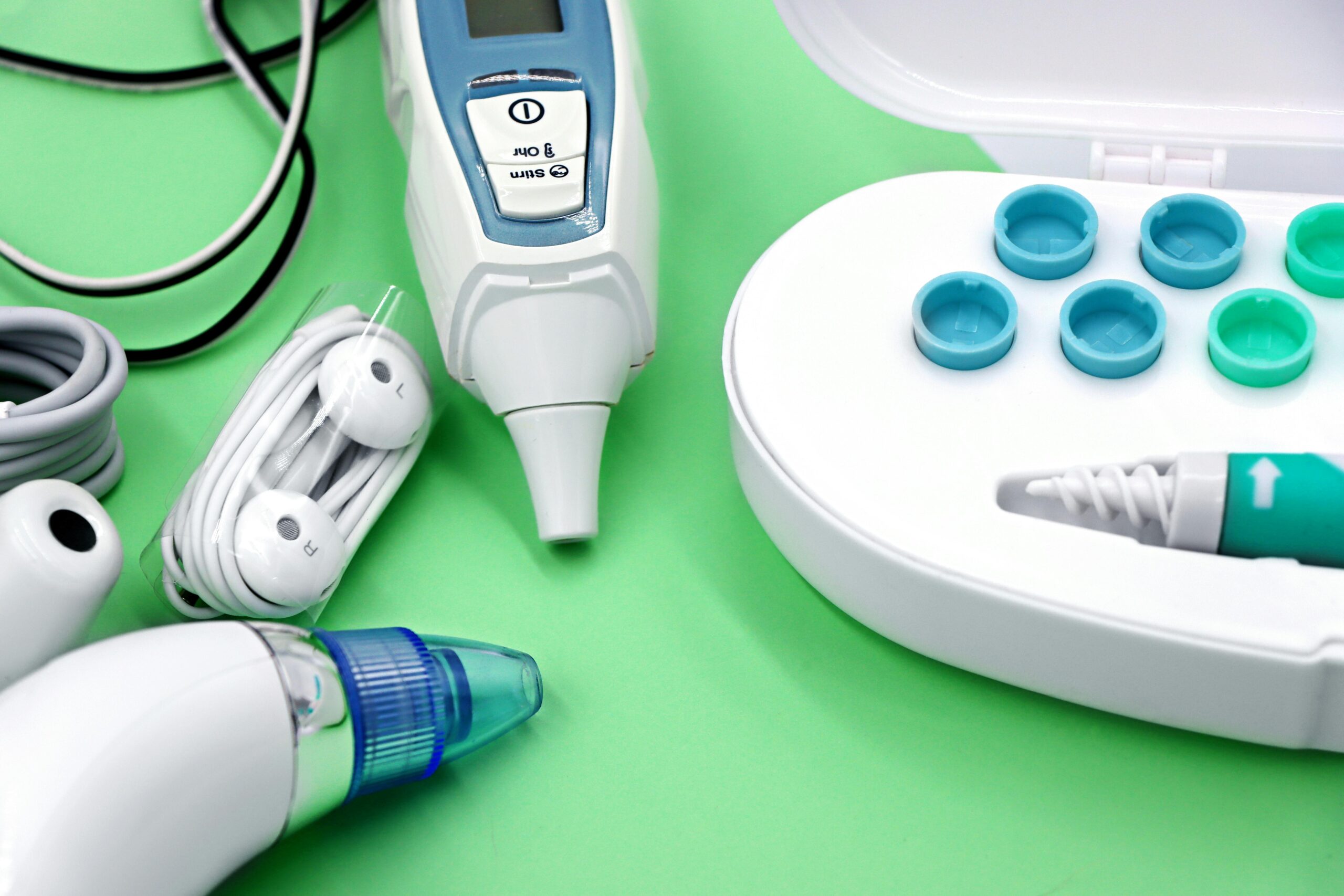
The most common form of hearing loss among seniors is presbycusis, which is a gradual decline in hearing that affects both ears. It often makes high-pitched sounds and speech clarity much harder to understand, especially in the background noise of Manhattan or Brooklyn. Other causes of auditory decline include long-term noise exposure, earwax buildup, infections, and certain medications.
Signs and Symptoms to Watch For
Common warning signs that you should look out for include frequently asking people to repeat themselves, increasing the TV volume to levels others find too loud, difficulty understanding speech in crowds, and avoiding social situations due to communication struggles. Early detection makes Hearing Health for NYC Seniors far easier to manage.
Unique Hearing Challenges of Living in NYC
NYC’s soundscape is unlike anywhere else in the world. Subway noise, honking cars, construction sites, and crowded sidewalks create a constant wall of background noise that can easily overwhelm aging ears. For seniors with even mild hearing loss, these city sounds can blur speech and significantly increase stress and fatigue throughout the day. Recognizing these challenges is the first step toward clearer living.
Protecting Hearing in a Noisy City
Reducing Noise Exposure
Simple steps can reduce your daily noise exposure significantly. Consider wearing ear protection during loud events, standing further away from subway tracks while waiting, and choosing quieter routes for your daily walks when possible. At home, keeping your windows closed during peak traffic hours—a recommendation often found in our home safety for NYC seniors guide—can help lower overall background noise.
Safe Listening Habits
When using headphones or earbuds, it is crucial to keep the volume at safe levels and limit your total listening time. Seniors should follow the “60/60 rule”: listen at no more than 60% volume for no more than 60 minutes at a time. This habit is just as vital as maintaining vision and eye care for balanced sensory health.
Hearing Aids and Assistive Listening Devices
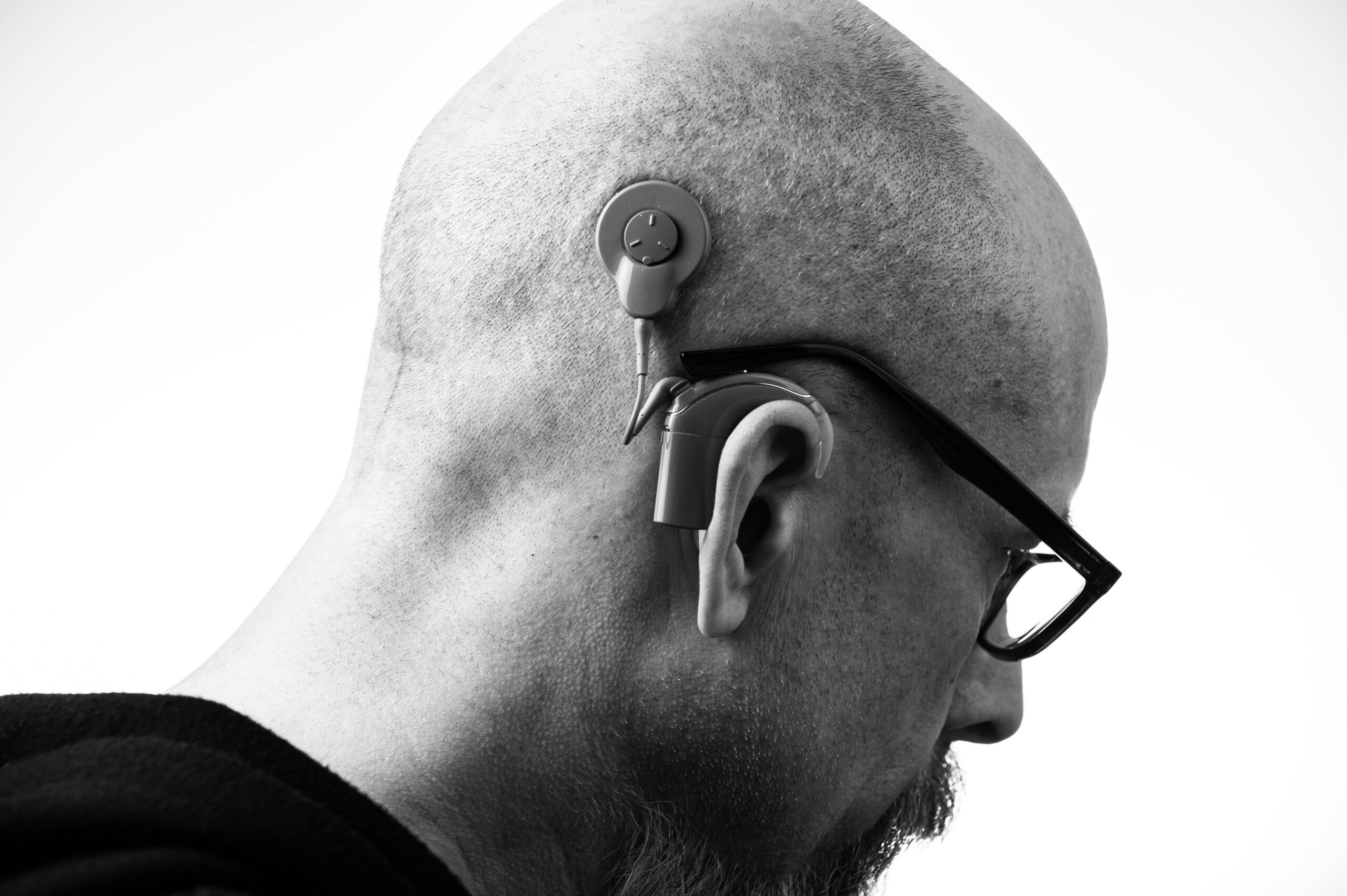
Modern hearing aids are smaller, smarter, and more effective than ever before. Many models can adjust automatically to noisy environments like busy streets or busy NYC restaurants. Assistive devices such as amplified phones, TV listeners, and specialized alerting systems also improve daily communication and safety. Regular hearing evaluations—which can be coordinated with our nurse services—ensure devices are properly fitted and adjusted for NYC’s dynamic sound environments.
Communication Tips for Daily City Life
Good communication strategies help seniors navigate conversations with confidence. Try to always face the person speaking, choose well-lit and quieter areas for meetings, and ask people to speak clearly rather than just loudly. Carrying a card or using smartphone apps for clarification can also help during fast-paced situations on public transportation or at the store.
Hearing Health, Balance, and Safety
Hearing plays a critical role in balance and spatial awareness. Hearing loss may increase the risk of falls, especially in crowded or uneven areas. Managing Hearing Health for NYC Seniors supports safer movement and better awareness of your surroundings, such as approaching vehicles or announcements. This is particularly important for those managing arthritis or diabetes, where physical stability is already a concern.
Emotional and Social Impact of Hearing Loss
Hearing loss can lead to frustration, embarrassment, and eventual withdrawal from social activities. Staying connected through support groups, counseling, and open communication with family reduces this emotional strain. Addressing hearing concerns early improves confidence and supports mental health and loneliness, ensuring a higher quality of life.
Hearing Health Resources and Services in NYC 2026
NYC offers various hearing screenings and audiology services through hospitals like NYU Langone and Mount Sinai. To ensure these services remain accessible, it is important to stay updated on Medicaid Redetermination 2026. For financial assistance, a NYS Pooled Trust can be an effective tool. For official information, visit the NYC government website at www.nyc.gov.
Expert FAQ: Hearing Health for NYC Seniors 2026
1. Is hearing loss a normal part of aging?
2. Can hearing aids really help in noisy NYC places?
3. How often should seniors get hearing tests?
4. Does hearing loss affect balance in the city?
5. Does Medicaid cover hearing aids in 2026?
6. Can untreated hearing loss lead to memory problems?
7. Are OTC hearing aids good for NYC seniors?
Conclusion
Hearing Health for NYC Seniors is about empowerment. With awareness, protective habits, and modern technology, seniors can continue engaging fully in city life. Clear hearing supports safety and connection—key ingredients for healthy aging in New York City.
Listen to Life with Confidence
At ProLife Home Care, we are committed to the safety of seniors in Brooklyn, Manhattan, and Queens. Contact us today for a free 2026 care assessment.
Get Your Free Care Assessment