In the bustling healthcare landscape of New York City, families caring for loved ones with chronic, high-acuity medical conditions often face a critical gap between hospital discharge and stable home life. Complex medical care requires more than standard home aid; it demands rigorous clinical supervision, precise medication management, and the expertise of Registered Nurses (RNs). At ProLife Home Care NYC, we specialize in bridging this gap through dedicated RN oversight, ensuring that high-needs patients receive hospital-grade clinical management within the comfort and safety of their own homes.
- Clinical Acuity Management: RN oversight is essential for patients with multi-morbidity, technology dependence (ventilators, feeding tubes), and complex medication regimens to prevent medical errors.
- Hospital Readmission Prevention: Skilled nursing supervision identifies early warning signs of deterioration, allowing for immediate intervention and significantly reducing the rate of preventable hospitalizations.
- Interdisciplinary Coordination: Registered Nurses act as the central communication hub between specialists, primary care physicians, and home health aides, ensuring a cohesive care plan tailored to the patient’s physiological needs.

The Scope of Complex Medical Care in the Home Setting
Complex medical care refers to the management of patients who have significant health conditions, functional limitations, or high healthcare utilization patterns. These are not patients who simply require assistance with Activities of Daily Living (ADLs) such as bathing or dressing; they are individuals whose physiological stability is fragile and requires constant monitoring.
In the context of New York City home care, high-needs patients often present with multiple co-occurring chronic conditions—a state known as multimorbidity. This might include a combination of Congestive Heart Failure (CHF), Chronic Obstructive Pulmonary Disease (COPD), unmanaged Diabetes Mellitus, and neurological deficits from a stroke or degenerative disease. The complexity arises not just from the individual diseases, but from how they interact. For example, a medication prescribed for heart failure might exacerbate kidney issues, requiring delicate clinical balancing that only a trained medical professional can oversee.
The Critical Imperative of RN Oversight
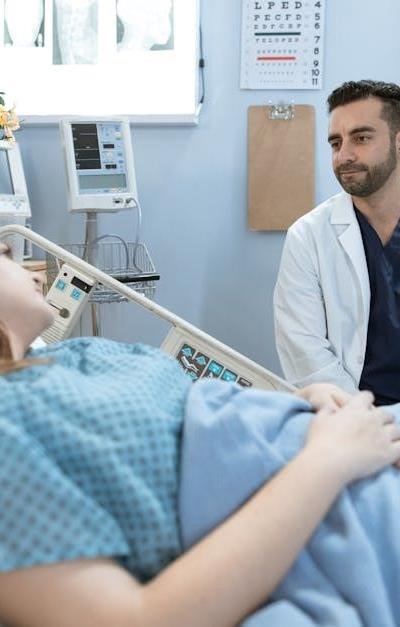
The cornerstone of safety for high-needs patients is RN Oversight. While Home Health Aides (HHAs) provide essential hands-on personal care, they operate under the license and supervision of a Registered Nurse. For complex cases, the RN’s role shifts from periodic supervision to active case management.
Clinical Assessment and Vigilance
An RN is trained to utilize the nursing process: Assessment, Diagnosis, Planning, Implementation, and Evaluation. In a home setting, this translates to:
- Hemodynamic Monitoring: recognizing subtle changes in blood pressure, pulse oxygenation, and heart rate that may signal decompensation.
- Skin Integrity Management: For bedbound patients, RNs assess risk for pressure ulcers (bedsores) and implement turning schedules and barrier cream protocols to prevent severe wounds.
- Respiratory Management: Assessing lung sounds and breathing effort to prevent pneumonia or respiratory failure in patients with compromised airways.
Medication Reconciliation and Management
Polypharmacy (the use of multiple medications) is a defining characteristic of high-needs patients. An RN ensures that medication lists are reconciled against hospital discharge orders to prevent duplication or dangerous interactions. They oversee the administration of medications, manage insulin sliding scales, and monitor for adverse drug reactions (ADRs).
Specialized Clinical Interventions at Home
ProLife Home Care NYC provides skilled nursing services that allow patients with intense medical requirements to remain at home rather than in long-term care facilities. Our RNs facilitate and oversee the following complex interventions:
Enteral Nutrition (Tube Feeding)
Patients with dysphagia or nutritional deficits may require Gastrostomy (G-tube) or Jejunostomy (J-tube) feeding. RN oversight involves checking tube patency, managing residuals, calculating nutritional intake, and caring for the stoma site to prevent infection and granulation tissue formation.
Tracheostomy and Ventilator Care
For patients dependent on life-support technology, RNs provide critical airway management. This includes suctioning to remove secretions, changing inner cannulas, and monitoring ventilator settings to ensure adequate oxygenation. This level of care is high-risk and requires strict adherence to sterile techniques.
Wound Care and Ostomy Management
Complex surgical wounds, Stage 3 or 4 pressure injuries, and diabetic foot ulcers require advanced wound care modalities, such as Negative Pressure Wound Therapy (Wound VAC). Additionally, RNs manage colostomies and ileostomies, educating the family and monitoring for complications like skin breakdown or blockage.
Catheter Care
Long-term use of indwelling urinary catheters (Foley or Suprapubic) carries a high risk of Catheter-Associated Urinary Tract Infections (CAUTIs). RN oversight ensures proper hygiene protocols are followed, and catheters are changed according to urological guidelines to maintain sterility.
Interdisciplinary Care Coordination in NYC
New York City’s healthcare system is fragmented. A patient may see a cardiologist at Mount Sinai, a neurologist at NYU Langone, and a primary care physician in a private Brooklyn practice. Without a central coordinator, care becomes disjointed.
ProLife Home Care RNs act as the clinical quarterback. We communicate directly with physicians to update them on the patient’s home status. If a patient’s weight increases rapidly (a sign of fluid retention in heart failure), our RN notifies the cardiologist immediately to adjust diuretic dosages, potentially preventing a hospitalization. We also coordinate with physical therapists (PT) and occupational therapists (OT) to reinforce rehabilitation goals during daily care routines.
Managing Cognitive Decline and Behavioral Issues
Complex care often includes a cognitive component, such as advanced Alzheimer’s disease or vascular dementia. High-needs patients may exhibit “sundowning,” aggression, or wandering. RN oversight includes creating a safe environment and training caregivers on behavioral redirection techniques. We focus on non-pharmacological interventions to manage anxiety and agitation, ensuring the patient’s dignity is preserved while maintaining safety for the household.
The Economics of Health: Reducing Hospital Readmissions
For high-needs patients, the “revolving door” of hospital readmissions is a major risk. Readmissions are physically debilitating for the patient and emotionally exhausting for the family. Furthermore, they expose vulnerable patients to hospital-acquired infections.
Data consistently shows that nurse-led home care interventions significantly reduce 30-day readmission rates. By managing symptoms at home—treating a urinary tract infection with oral antibiotics supervised by a nurse, rather than via the ER, or managing a COPD exacerbation with nebulizers at home—we stabilize the patient’s condition locally. This proactive approach is the gold standard of modern geriatric and complex care nursing.
Empowering Families through Education
A critical component of our RN oversight model is education. We do not just perform tasks; we teach families how to be partners in care. Our RNs train family members on:
- Recognizing signs of stroke or heart attack.
- Proper transfer techniques to protect their own backs and the patient’s safety.
- Dietary restrictions relevant to the patient’s condition (e.g., low sodium for cardiac patients).
- How to operate medical equipment in case of emergency. Nurse Services
This empowerment reduces anxiety and builds a sustainable care ecosystem around the patient.
Frequently Asked Questions About Complex Medical Care
Ensure the highest standard of clinical safety for your loved one. Contact ProLife Home Care NYC today for a comprehensive nursing assessment.
(718) 232-2777
Call Now
Contact ProLife Home Care NYC for a free clinical assessment:(718) 232 – 2777