Quick Answer
Clinical RN monitoring for seniors with diabetes in New York City involves professional medical oversight by a Registered Nurse to manage blood glucose levels, administer insulin, and ensure medication adherence. This service provides a higher level of care than standard home aid, focusing on preventing complications such as hyperglycemia, hypoglycemia, and diabetic foot ulcers through skilled assessment. It is essential for elderly patients who cannot self-administer injections or who have fluctuating vitals requiring immediate clinical judgment.
Clinical Insight from an NYC Registered Nurse: Managing diabetes in the city presents unique challenges, from navigating access to healthy food to coordinating with busy specialist offices. In my practice, I find that RN monitoring prevents emergency room visits by catching early signs of infection or sugar imbalance that a non-medical caregiver might miss. We focus not just on the numbers, but on inspecting skin integrity and adjusting care plans in real-time based on the patient’s daily health status. Common Health Issues
Blood Glucose Tracking and Analysis
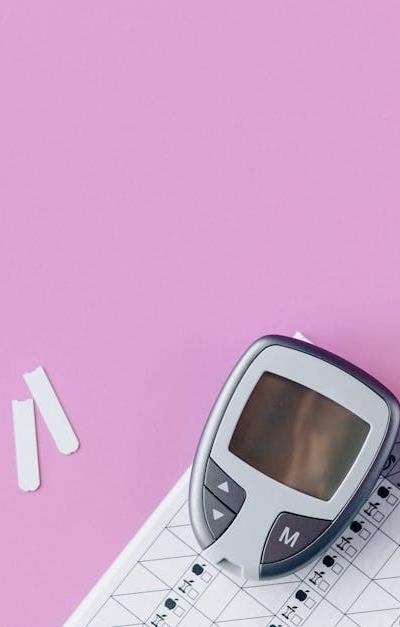
Consistent monitoring is the foundation of diabetes management. An RN does more than just read the glucometer; they analyze trends to predict and prevent dangerous spikes or drops.
- Trend Analysis: Identifying patterns related to meals or times of day.
- Critical Intervention: Immediate medical protocols for readings below 70 mg/dL or above 250 mg/dL.
- Device Management: Calibrating continuous glucose monitors (CGMs) and ensuring accuracy.
Insulin Administration and Medication Management
Seniors often face difficulties with sliding-scale insulin dosages and drawing up syringes due to poor eyesight or dexterity issues. RNs ensure precise dosing to prevent overdose.
- Injection Safety: Rotating injection sites to lipodystrophy (lumps under the skin).
- Oral Medications: Managing complex schedules involving Metformin or Sulfonylureas.
- Storage: Ensuring insulin is stored at the correct temperature, especially during NYC summers.
Diabetic Foot and Skin Care
Neuropathy (nerve damage) can make seniors lose sensation in their feet, leading to unnoticed wounds. Clinical monitoring includes rigorous physical assessments.
- Daily Inspections: Checking for blisters, cuts, or ingrown toenails.
- Wound Prevention: Education on proper footwear and moisturizing to prevent cracking.
- Circulation Checks: Assessing pedal pulses and capillary refill time.
Nutritional Support and Education
Dietary management in NYC requires navigating diverse food options. Nurses help seniors make safe choices that align with their cultural preferences and medical needs.
- Carb Counting: Teaching patients how to balance carbohydrate intake with insulin.
- Hydration: Monitoring fluid intake to prevent dehydration, which raises blood sugar.
- Meal Planning: Coordinating with family or aides to prepare appropriate low-glycemic meals.
Coordination with Healthcare Providers
Seniors with diabetes often have multiple comorbidities. The RN acts as the central communication hub between the patient, the family, and NYC-based endocrinologists.
- Reporting: Sending weekly vital logs to the primary care physician.
- Medication Reconciliation: preventing harmful drug interactions.
- Emergency Advocacy: Providing paramedics with accurate medical history if hospitalization occurs.
When Does This Apply?
- If the senior has vision loss or tremors → Then RN administration of insulin is required for safety.
- If blood sugar readings are erratic (“brittle diabetes”) → Then skilled monitoring is needed to stabilize the condition.
- If there is a new diagnosis or change in medication → Then clinical observation is necessary to monitor for side effects.
Frequently Asked Questions
What is the difference between a home aide and an RN for diabetes?
A home aide can assist with daily activities like bathing and meal prep but cannot perform medical tasks. An RN is licensed to administer injections, perform wound care, and make clinical judgments regarding blood sugar management.
Does Medicare cover RN monitoring for diabetes?
Yes, Medicare Part A and B typically cover intermittent skilled nursing care if it is medically necessary and the patient is homebound. This requires a doctor’s order documenting the need for skilled observation or injection assistance.
Can an RN prescribe diabetes medication?
No, a Registered Nurse cannot prescribe medication. However, a Nurse Practitioner (NP) can prescribe. The RN administers medication based on the orders provided by the patient’s doctor or NP.
How often will the nurse visit my home?
Frequency depends on the severity of the condition and the doctor’s orders. It can range from daily visits for insulin administration to weekly visits for pre-filling insulin syringes and health assessments.
What happens if the nurse finds a foot ulcer?
The RN will assess the wound’s stage, clean and dress it according to protocol, and immediately notify the physician. They may also recommend a referral to a podiatrist or wound care specialist to prevent infection.
Contact ProLife Home Care NYC for a free clinical assessment:(718) 232 – 2777
Contact ProLife Home Care NYC for a free clinical assessment: (718) 232-2777