Quick Answer
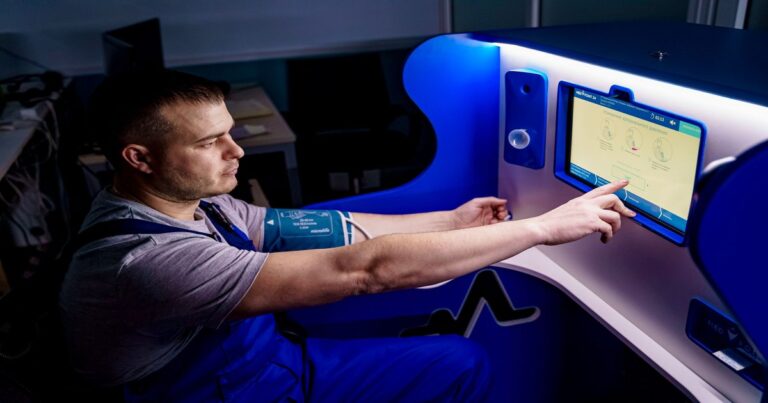
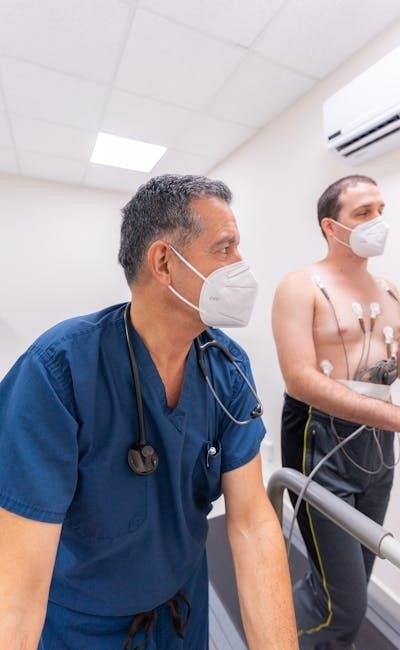
Cardiac health monitoring at home involves the continuous clinical tracking of a patient’s heart function, vital signs, and symptoms under the direct supervision of a Registered Nurse (RN). In New York City, this service provides hospital-level surveillance for individuals recovering from heart failure, myocardial infarction, or cardiac surgery within their own residences. RNs utilize advanced tools to monitor blood pressure, heart rate, and fluid retention, enabling immediate medical intervention to prevent re-hospitalization.
Clinical Insight from an NYC Registered Nurse: In my experience visiting patients across Manhattan and Queens, the transition from hospital to home is the most vulnerable time for cardiac patients. I frequently manage cases where subtle changes—like a 2-pound weight gain in 24 hours—signal impending heart failure exacerbations. Having an RN on-site to interpret these signs and coordinate with cardiologists immediately often prevents the need for a 911 call.
What is RN-Led Cardiac Monitoring?
Unlike standard home care aides who assist with daily activities, RN-led cardiac care focuses on medical management and clinical physiology. The nurse acts as the eyes and ears of the cardiologist.
- Clinical Assessment: Auscultation of heart and lung sounds to detect murmurs or fluid buildup.
- Real-Time Data: Interpretation of daily vital signs rather than just recording them.
- Scope: Applies to patients with Congestive Heart Failure (CHF), Hypertension, or Arrhythmias.
Vital Signs and Symptom Management
Effective monitoring requires precise tracking of metrics that indicate cardiac stability. Nurses use clinical-grade equipment to ensure accuracy.
- Blood Pressure Trends: monitoring for hypertensive crises or hypotension from medication adjustments.
- Oxygen Saturation: Ensuring SpO2 levels remain safe, particularly during activity.
- Edema Checks: Assessing swelling in ankles and legs which indicates fluid retention.
Medication Administration and Titration
Cardiac patients often manage complex medication regimens including diuretics, beta-blockers, and anticoagulants. RNs ensure safety and compliance.
- Reconciliation: Preventing dangerous drug interactions between new prescriptions and home meds.
- Diuretic Management: Adjusting Lasix dosages per physician standing orders based on weight.
- Education: Teaching patients how to self-administer blood thinners safely. Common Health Issues
Post-Surgical Cardiac Care
Patients recovering from CABG (bypass surgery), valve replacements, or stent placement require specialized wound and sternal care.
- Incision Care: Monitoring sternal incisions or catheter sites for signs of infection.
- Sternal Precautions: instructing patients on safe movement to prevent bone dehiscence.
- Pain Management: Balancing comfort with respiratory safety.

NYC-Specific Lifestyle Coaching
Managing heart health in New York City presents unique challenges regarding diet and stress. RNs provide tailored coaching for the urban environment.
- Dietary Navigation: Identifying hidden sodium in local takeout and deli foods.
- Stress Reduction: Techniques to manage anxiety triggers common in city living.
- Activity Planning: Safe walking routes and exercise limitations based on cardiac endurance.
When Does This Apply?
- If patient has Heart Failure → Then daily weight monitoring is required to detect fluid overload.
- If patient has new medication → Then RN monitors for side effects like dizziness or bradycardia.
- If systolic BP > 180 → Then immediate clinical protocol is activated to prevent stroke.
Frequently Asked Questions
Do I need a doctor’s order for cardiac monitoring?
Yes, clinical cardiac monitoring by an RN is a medical service that requires a prescription or order from a physician to define the plan of care.
What equipment does the nurse bring?
Nurses typically use clinical-grade blood pressure cuffs, stethoscopes, pulse oximeters, and sometimes portable EKG devices or digital scales for fluid tracking.
Can the nurse change my medication dosage?
An RN cannot prescribe medication independently but can adjust dosages based on specific “standing orders” provided by your cardiologist or primary care physician.
How is this different from a home health aide?
A home health aide helps with bathing and dressing. An RN performs medical tasks like wound care, lung assessments, and medication management.
Is this service covered by insurance?
Most private insurance plans and Medicare cover skilled nursing visits if there is a documented medical necessity, such as recent surgery or unstable heart conditions.
Contact ProLife Home Care NYC for a free clinical assessment:(718) 232 – 2777