Quick Answer
Medication management in NYC involves professional Registered Nurse (RN) supervision to organize, administer, and monitor prescriptions for seniors. This clinical oversight is crucial for preventing polypharmacy—the simultaneous use of multiple drugs—by identifying adverse interactions, ensuring adherence, and communicating with physicians to deprescribe unnecessary medications, thereby reducing hospital readmissions.
Specialist in NYC Senior Medicaid Financial Compliance and Care Coordination.
The Dangers of Polypharmacy in Seniors

Polypharmacy is generally defined as the regular use of at least five medications. In the fragmented NYC healthcare system, where patients often see different specialists who may not communicate with one another, the risk of adverse drug events increases significantly. Without RN oversight, seniors are at risk for:
- Adverse Drug Reactions (ADRs): Symptoms often mistaken for normal aging, such as lethargy or confusion.
- Falls and Dizziness: Many blood pressure and anxiety medications increase fall risk when combined.
- Cognitive Decline: Certain anticholinergic drugs can mimic signs of dementia.
- Nutritional Deficiencies: Medications can block the absorption of vital nutrients over time.
Comprehensive Medication Reconciliation
The first step in RN-led medication management is a thorough reconciliation. This is more than just making a list; it is a clinical investigation into every substance the patient takes.
- Reviewing All Sources: Collating prescriptions, over-the-counter (OTC) drugs, vitamins, and herbal supplements.
- Checking Duplicates: Identifying if the patient is taking the same drug under both brand and generic names.
- Dosage Verification: Ensuring the current dosage matches the most recent discharge summary or physician order. Nurse Services
- Disposal: Safely removing expired or discontinued medications from the home to prevent confusion.
Strategies for Adherence and Organization

Forgetfulness is a primary cause of medication errors. Nurses implement systems tailored to the patient’s cognitive and physical abilities to ensure the right dose is taken at the right time.
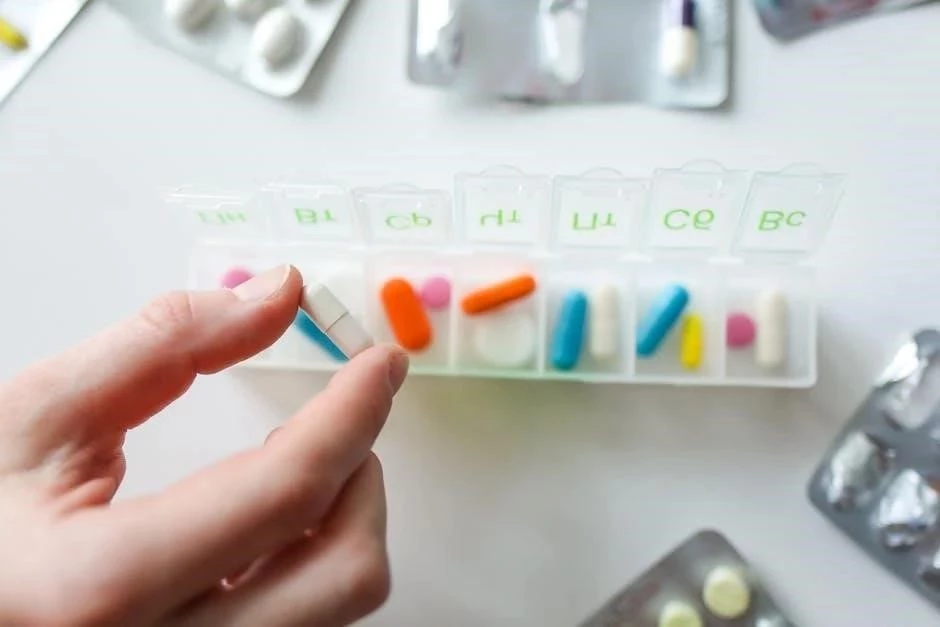
- Pre-pouring Medications: RNs can fill weekly pill organizers or coordinate with pharmacies for blister packing.
- Automated Dispensers: Setting up locked, timed dispensers for patients with memory impairment.
- Visual Reminders: Creating large-print medication schedules and charts.
- Bioavailability Support: Instructions on whether to take meds with food or on an empty stomach to maximize effectiveness.
Clinical Monitoring and Physician Communication
An RN does not simply administer pills; they monitor the physiological effects of the medication. This “eyes-on” approach is vital for catching issues before they require hospitalization.
- Vital Sign Monitoring: Checking blood pressure and heart rate before administering cardiac meds.
- Side Effect Assessment: Observing for rash, edema, or behavioral changes.
- Physician Advocacy: The RN acts as the bridge between the patient and the doctor, reporting ineffectiveness or severe side effects immediately.
- Deprescribing Initiatives: proactively asking doctors if specific medications are still necessary, aiming to reduce the pill burden.
Navigating NYC Pharmacy Logistics
The logistics of obtaining medications in New York City can be a barrier to adherence. RN case managers handle the administrative burden to ensure continuity of care.
- Refill Management: Tracking refill dates to prevent gaps in medication therapy.
- Prior Authorizations: Assisting with insurance hurdles that might delay access to necessary drugs.
- Delivery Coordination: Arranging delivery from local pharmacies to avoid physical strain on the senior.
- Cost Savings: Identifying generic alternatives or patient assistance programs to reduce out-of-pocket costs.

Official Resources
Consult NY State DOH or Medicare.gov.
Frequently Asked Questions
What is the difference between a home aide and an RN for medication?
In New York, home health aides (HHAs) are generally limited to “reminding” patients to take medication or handing them a pre-poured container. They cannot administer injections, make clinical judgments, or organize pills into a box. An RN is licensed to administer medication, assess the patient’s condition, and manage the entire medication regimen.
How can RN oversight reduce hospital readmissions?
Medication errors and non-adherence are leading causes of hospital readmissions. RNs ensure patients take the correct medications as prescribed and identify early warning signs of complications, allowing for intervention before an emergency room visit is necessary.
Does Medicare pay for medication management in NYC?
Medicare typically covers intermittent skilled nursing visits if they are medically necessary and the patient is homebound. This may include teaching a patient or caregiver how to manage medications or administering injections. However, long-term daily maintenance or simple pill-box filling is often not covered and may require private pay or long-term care insurance.
My parent sees five different specialists. How does this help?
This is a classic scenario for polypharmacy. An RN acts as a central point of contact, maintaining a “master list” of medications. The nurse ensures that the cardiologist knows what the neurologist prescribed, preventing dangerous interactions that specialists might miss because they don’t share a database;
What are the signs that my loved one is mismanaging their medication?
Common signs include finding loose pills on the floor, prescription bottles that remain full despite time passing, frequent refill requests (indicating overdosing), confusion about what each pill is for, or a sudden change in physical or mental health status.
Contact ProLife Home Care NYC for a free clinical assessment:(718) 232 – 2777