Caring for an aging parent in New York City is a profound labor of love, but it often brings complex administrative hurdles that can feel overwhelming for families trying to do the right thing. I have watched countless daughters and sons struggle with the decision of how to legally manage their loved one’s affairs when health begins to decline, balancing financial constraints with the need for security. While the instinct to save money with a Do-It-Yourself Power of Attorney kit is understandable, protecting your family’s future requires careful consideration of the risks involved. My goal is to help you navigate this delicate choice so you can focus on what matters most—spending quality time with your aging senior.
Clinical Quick Answer
While DIY Power of Attorney kits are technically legal in New York if executed perfectly, they are frequently rejected by banks and nursing homes due to minor errors or reliance on outdated statutory language. New York State significantly reformed its Power of Attorney laws in 2021, making older DIY templates obsolete and highly risky for families attempting complex Medicaid planning or asset protection. For seniors with real estate assets or those facing potential long-term care needs, consulting an elder law attorney is the standard recommendation to ensure the document effectively prevents the need for court-appointed guardianship.
Understanding the 2021 New York Statutory Changes
The primary reason healthcare professionals and social workers in NYC caution against DIY kits is the significant change in New York General Obligations Law that occurred in June 2021. Prior to this, the law required a separate “Statutory Gift Rider” for authority to give gifts greater than $500 per year. The new law simplified the form but simultaneously made the requirements for valid execution strictly enforced.
- The “Substantial Conformity” Standard: While the law allows for wording that substantially conforms to the statute, banks often look for exact matches. A generic online kit may use language from California or Florida, which renders the document invalid in New York.
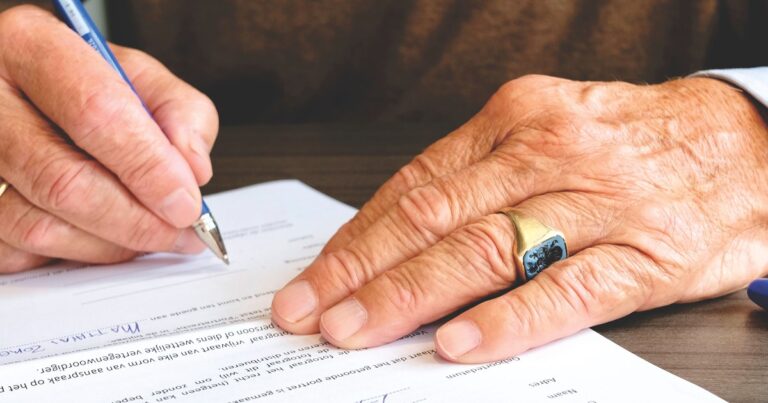
- Witnessing Requirements: A valid NY Power of Attorney (POA) now requires the principal’s signature to be acknowledged by a notary public and witnessed by two disinterested persons. DIY users often miss the second witness requirement, invalidating the document instantly.
- The Modification Section: The “Statutory Gift Rider” was eliminated and replaced with a “Modifications” section within the main POA. If your DIY kit does not have this section correctly formatted, the agent cannot engage in tax planning or Medicaid asset protection.
The “Hot Powers” and Medicaid Planning Risks
For NYC seniors, the Power of Attorney is not just about paying the electric bill; it is the primary tool for long-term care planning. When a senior enters a nursing home, the family often needs to transfer assets to qualify for Medicaid benefits. This requires “Hot Powers”—specifically the authority to make gifts in excess of the standard $5,000 annual limit.
- The Limitation of Basic Forms: Most stationery store or free online forms only authorize “banking transactions” and “paying bills.” They rarely include the custom modifications required to move a house into a trust or transfer funds to a spouse (spousal refusal planning).
- The Consequence: If a senior suffers a stroke and enters a facility, and the DIY POA lacks gifting authority, the assets are “frozen.” The family must then spend down all the money on private care rather than preserving it, because the agent lacks the legal authority to save the assets.
- Clinical Relevance: As a nurse, I have seen discharge planning delayed because family members could not access funds to pay for home health aides, simply because the POA was insufficient.
Institution Rejection: The “Bank Wall”
Even if a DIY document is legally perfect, practical application is a different hurdle. In New York City, major financial institutions (Chase, Citibank, Bank of America) have rigid legal departments that review every POA submitted. They are notoriously skeptical of non-lawyer-prepared forms.
- Liability Concerns: Banks fear liability. If a document looks homemade, has hand-written cross-outs, or lacks professional formatting, bank legal teams often reject it under the guise of “suspicion of fraud” or “irregularity.”
- The “Staleness” Myth: While NY law now prohibits banks from rejecting a POA solely because it is old, they still find other reasons to reject DIY forms. If a bank rejects your DIY form, you have to file a special proceeding to force them to accept it—a process that costs more than having a lawyer draft it originally.
- Delays in Care: When a bank freezes an account due to a rejected POA, the senior’s rent or insurance premiums may go unpaid, leading to eviction notices or policy cancellations during a medical crisis.
The Hidden Costs of Guardianship
The most critical clinical and financial argument against DIY kits is the cost of failure. If a senior loses capacity (e.g., advanced dementia) and their DIY POA is found to be invalid, they cannot sign a new one. The only legal remedy is Article 81 Guardianship.
- Cost Comparison: A professionally drafted POA by an elder law attorney might cost between $300 and $1,500 depending on complexity. An Article 81 Guardianship proceeding in NYC courts typically costs between $5,000 and $15,000, not including annual reporting fees.
- Public Scrutiny: Guardianship declares the senior “incapacitated” in a public court record and strips them of their civil rights. A valid POA is a private, dignified alternative.
- Time Factors: Guardianship can take months to finalize. During that time, no one can access the senior’s funds to pay for their care or medical needs.
When a DIY Kit Might Be Acceptable
While generally discouraged for seniors, there are narrow circumstances where a DIY kit might be low-risk. It is important to assess the acuity of the situation and the complexity of the estate;
- No Real Estate or Significant Assets: If the senior has no property and their only income is Social Security (which is managed via Representative Payee, not POA), a simple POA might suffice for minor tasks. Free Equipment Guide
- Full Mental Capacity: If the senior is young-old (e.g., 65) and fully cognitively intact, they can sign a new document if the first one is rejected. The risk is highest for those with progressive cognitive decline.
- Temporary Needs: If the POA is only needed for a specific, short-term transaction (like signing a lease) while the senior is traveling, a DIY form may work, provided the third party accepts it beforehand.
Coordinating with State Resources
It is vital to ensure that any legal planning aligns with healthcare directives. A Power of Attorney covers finances, while a Health Care Proxy covers medical decisions. The NY State DOH provides free, valid templates for Health Care Proxies, but they do not provide Power of Attorney forms due to the financial complexity.
- Holistic Planning: Families should view the POA as part of a “care triad” alongside the Health Care Proxy and the Living Will (MOLST).
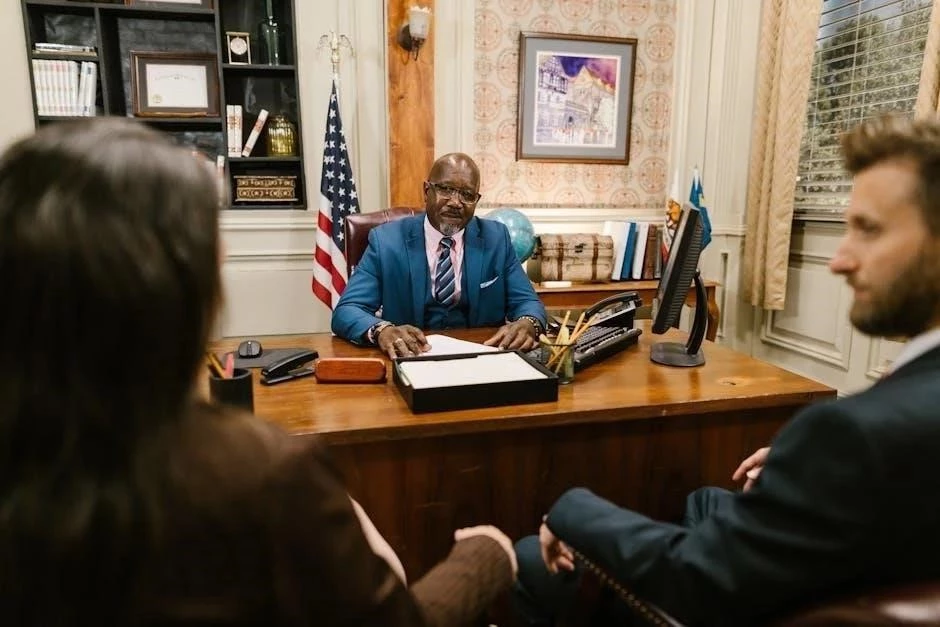
- Professional Review: If you must use a DIY form due to financial hardship, try to have it reviewed by a legal aid society or a pro-bono clinic for seniors in NYC before the senior loses capacity.
- State Statutes: Always verify that your form references the current New York General Obligations Law Article 5, Title 15.
Nurse Insight: In my experience working in NYC hospitals and nursing facilities, nothing is more heartbreaking than seeing a family barred from accessing their parent’s funds to pay for urgent care because a generic form lacked a specific initial or signature. I recall a son who used a cheap online template that failed to authorize “unlimited gifting,” preventing him from protecting his mother’s brownstone from Medicaid estate recovery. The money saved on the form was lost a thousand times over in legal fees for emergency guardianship. Please, treat this legal document with the same seriousness as a medical prescription; a generic version is rarely the right cure for a complex situation.
Frequently Asked Questions
Is a DIY Power of Attorney legally valid in New York State?
Yes, a Do-It-Yourself Power of Attorney is legally valid in New York if it strictly adheres to the New York General Obligations Law. However, New York implemented major changes to the Statutory Short Form in June 2021. If your DIY kit uses an outdated template or lacks the specific “Modification” section required for expanded powers, it may be deemed invalid or insufficient for tasks like Medicaid planning or real estate transfers.
Why do banks and nursing homes often reject DIY Power of Attorney forms?
Financial institutions and healthcare facilities in NYC are highly risk-averse. If a DIY form contains typos, lacks the exact statutory wording, or fails to be executed in the presence of two disinterested witnesses and a notary, institutions often reject them to avoid liability. They may also reject forms that look “generic” or non-standard compared to the forms usually prepared by elder law attorneys.
Does a standard DIY kit cover Medicaid planning for NYC seniors?
Rarely. Standard DIY kits usually provide “basic” powers to pay bills. They often fail to include the “Hot Powers” or the Modifications section necessary to move assets, create trusts, or gift money to family members to qualify for Medicaid. Without these specific clauses, a family cannot protect assets from nursing home costs without going to court for guardianship.
What happens if my DIY Power of Attorney is found to be invalid?
If the document is invalid and the senior has lost mental capacity (due to dementia or stroke), they cannot sign a new one. The family’s only remaining legal option is to petition the New York State Supreme Court for Article 81 Guardianship. This process is public, invasive, time-consuming, and can cost between $5,000 and $15,000 in legal fees, significantly more than the cost of a professionally drafted Power of Attorney.
Do I need a lawyer, or can a notary just sign my DIY form?
While you do not legally require a lawyer to sign the document, you do need a notary public and two witnesses (one of whom can be the notary). However, a notary only verifies identity; they do not verify the legal accuracy of the document’s content. Relying solely on a notary to validate a DIY form leaves you vulnerable to content errors that render the document useless in a medical or financial crisis.
Contact ProLife Home Care NYC for a free clinical assessment:(718) 232 – 2777