Watching a loved one struggle with the confusion of dementia is heartbreaking, and trying to handle necessary legal matters during these times can feel like navigating a minefield. I have supported countless NYC families who feel torn between the urgent need to protect their assets and the fear of upsetting their vulnerable parent. Please know that you are not alone in this; with the right timing and a clinical understanding of their condition, we can get this done with dignity. Your dedication to securing their future while respecting their limitations is the ultimate act of caregiving.
Clinical Quick Answer
Sundowning creates a predictable decline in cognitive function and emotional regulation starting in the late afternoon, making it imperative to schedule all legal signings during morning hours (typically 9 AM to 11 AM). To ensure the legal validity of documents in New York, the signer must demonstrate a “lucid interval,” meaning they fully understand the specific action they are taking at that moment. Families should utilize mobile notaries to keep the patient in a familiar environment, minimize sensory stimulation, and be prepared to cancel immediately if agitation occurs.
Understanding the Physiology of Sundowning in Legal Contexts
Sundowning, or “sundown syndrome,” is not a disease but a symptom pattern associated with Alzheimer’s disease and other forms of dementia. Clinically, it presents as increased confusion, anxiety, aggression, or ignoring directions as the sun goes down. For legal purposes, understanding this biological clock is critical because a person who is legally capable at 10:00 AM may lack capacity by 4:00 PM.
- Circadian Rhythm Disruption: Damage to the suprachiasmatic nucleus in the brain disrupts the body’s sleep-wake cycles, leading to late-day fatigue that masquerades as incapacity.
- Sensory Exhaustion: By the afternoon, a brain with dementia has processed sensory data all day and becomes “full,” leading to cognitive failure.
- Shadowing Behaviors: Patients may follow caregivers closely or repeat questions, which can be misinterpreted by lawyers or notaries as coercion or lack of independent thought.
- Visual Interpretation: Lower light levels in the afternoon can cause visual distortions, making a document look frightening or confusing to the patient.
The “Golden Window”: Strategic Scheduling for Capacity
In New York City, establishing capacity is the hurdle for any legal document, whether it is a Power of Attorney, a Health Care Proxy, or a Will. The “Golden Window” for signing is almost exclusively in the morning. This is not merely a preference; it is a clinical necessity to maximize the chances of a “lucid interval.”
- The 9 AM to 11 AM Rule: Most dementia patients function at their highest cognitive baseline after breakfast and morning medications but before lunch fatigue sets in.
- Medication Timing: Ensure that pain medications or sedatives that might cloud judgment are not administered immediately prior to the appointment. Conversely, ensure necessary anxiety management meds are active.
- The “One-Thing” Day: On the day of signing, do not schedule doctor visits or social outings beforehand. The legal signing must be the primary energy expenditure for the patient.
- Pre-Appointment Nutrition: A drop in blood sugar can mimic dementia symptoms. A balanced protein-rich breakfast is essential before the notary arrives.
Environmental Control: Setting the Stage in NYC Apartments
New York City apartments can be noisy and chaotic, which are triggers for sundowning behaviors. To facilitate a successful signing, you must curate the environment to reduce “cognitive load.” The goal is to allow the patient to focus entirely on the notary and the document without competing stimuli.
- Light Management: Even if the appointment is in the morning, turn on all lights to maximum brightness to reduce shadows, which are a primary trigger for fear in dementia patients.
- Noise Control: Turn off televisions, radios, and close windows to block street noise. The room should be silent except for the conversation at hand.
- Seating Arrangements: The person signing should sit with their back to the window to avoid distraction, facing the attorney or notary directly.
- Familiarity: Do not clear off the table completely; leave a familiar object, like a favorite coffee mug, to provide a sense of grounding and safety.
Navigating New York State Legal Standards and Capacity
It is a common misconception that a diagnosis of Alzheimer’s prevents a person from signing documents. New York law focuses on the specific moment of signing. However, the standards differ depending on the document. For example, the capacity required to sign a Will is generally lower than the capacity required to sign a complex contract. You can find resources on advance care planning through the NY State DOH.
- Testamentary Capacity: The person must know who their family is (the “objects of their bounty”) and roughly what they own.
- Contractual Capacity: This is higher; they must understand the transaction’s nature and consequences.
- The “Lucid Interval”: This is the legal sweet spot where the fog of sundowning lifts, and the patient is clear. Documentation of this state is vital.
- Videotaping the Signing: In NYC elder law, it is becoming common to video record the signing interview to prove the patient was alert, answered questions logically, and was not under duress.
The Role of the Clinical Witness
When high stakes are involved, relying solely on a notary may not be enough. In cases where sundowning is a known issue, families should consider having a medical professional or a social worker present to act as a witness or to provide a contemporaneous affidavit of capacity.
- Affidavit of Capacity: A document signed by a doctor or nurse stating that, in their professional opinion, the patient was lucid at the time of signing.
- The Mini-Mental State Exam (MMSE): A clinician can administer a quick cognitive test immediately before the signing to document a baseline score.
- Identifying Coercion vs. Support: A clinical witness can distinguish between a family member “helping” (which might look like undue influence) and a patient needing simple repetition due to hearing loss.
- Defensive Documentation: Detailed nursing notes regarding the patient’s mood, sleep quality the night before, and nutritional intake can support the validity of the signing if challenged later.
De-escalation Strategies When Things Go Wrong
Even with perfect planning, sundowning can trigger unexpectedly. If the patient becomes agitated, suspicious, or refuses to sign, the worst thing a family member can do is argue or pressure them. This not only fails to work but provides evidence of “undue influence” for anyone looking to contest the document.
- The “Stop and Pivot” Technique: If agitation starts, stop the legal talk immediately. Pivot to a safe topic (e.g., grandchildren, a favorite hobby) to reset their emotional state.
- Validate, Don’t Correct: If they say, “I don’t trust this man (the notary),” do not say, “Don’t be silly.” Say, “I understand you are being careful. That is good. We can take a break.”
- Physical Comfort: Sometimes, holding a hand or a gentle touch on the shoulder can ground a patient experiencing the disorientation of sundowning.
- Knowing When to Quit: If the agitation persists for more than 15 minutes, cancel the appointment. Pushing through is legally dangerous and clinically harmful.
Nurse Insight: In my experience, the biggest mistake families make is rushing because they are worried about the “deadline.” I have seen families try to force a signature when Mom is clearly in the middle of a sundowning episode, simply because the lawyer is charging by the hour. Please, trust your gut. If your loved one is having a “bad day” or if it is storming outside (barometric pressure changes often worsen confusion), cancel the notary. It is better to pay a cancellation fee than to have a Power of Attorney contested in court later because she was agitated. You know her patterns better than any lawyer does-use that knowledge.
Frequently Asked Questions
What is the best time of day to schedule legal signings for someone with sundowning?
The optimal time is almost exclusively in the mid-to-late morning, typically between 9:00 AM and 11:00 AM. This is when cognitive reserves are highest, and the biological effects of sundowning (shadowing, agitation, confusion) have not yet set in for the day.
Can a person with dementia legally sign documents in New York?
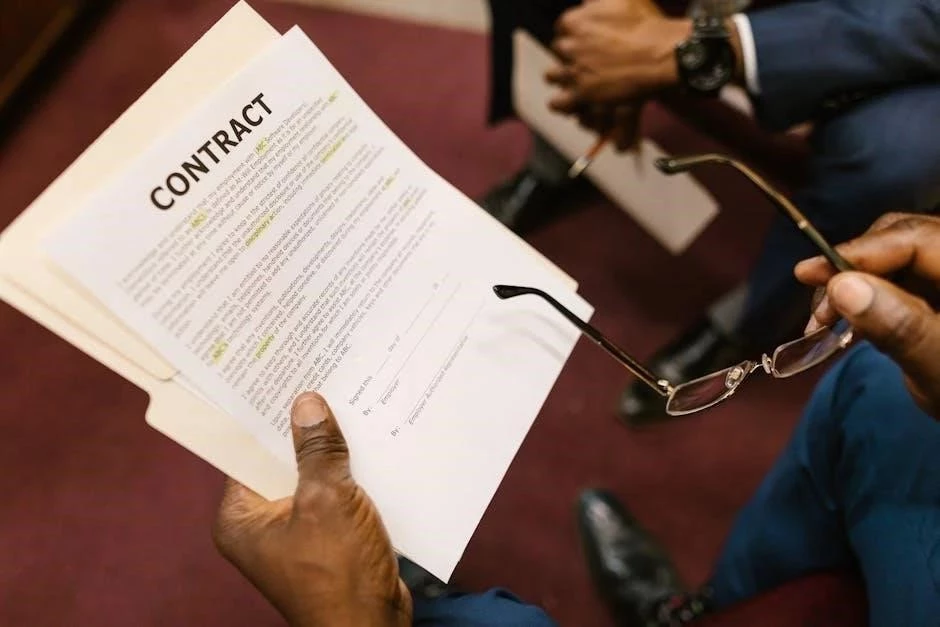
Yes, a diagnosis of dementia does not automatically equate to legal incapacity. New York law looks for a “lucid interval” at the specific moment of signing. The individual must understand the nature of the document and the consequences of signing it at that precise time.
What happens if my loved one becomes agitated during the appointment?
If agitation occurs, the appointment should be paused or terminated immediately. Forcing a signature during a behavioral episode can invalidate the document and is ethically unsound. It is better to reschedule for another day than to risk a contested document. Alzheimer's Nursing NYC
Is a doctor’s note required for signing legal documents in NYC?
While not strictly required by law for every transaction, it is highly recommended in cases of known dementia. A “capacity affidavit” from a neurologist or geriatrician signed on or near the date of the legal signing provides a robust defense against future challenges.
Should we use a mobile notary or go to an office?
For patients with sundowning, a mobile notary who comes to the home is far superior. Traveling to a law office introduces stress, unfamiliar sensory input, and fatigue, all of which can trigger confusion and reduce the likelihood of a successful signing.
Contact ProLife Home Care NYC for a free clinical assessment:(718) 232 – 2777
Contact ProLife Home Care NYC for a free clinical assessment: (718) 232-2777