Navigating the legal complexities of a Power of Attorney (POA) is stressful enough, but when your loved one's mind begins to fill memory gaps with false realities, the emotional toll can be devastating for a family. As a nurse in New York, I have held the hands of countless children who feel hurt and rejected when their parents accuse them of theft or conspiracy simply because the brain is struggling to process the paperwork. Please remember that these false narratives are not lies or personal attacks; they are symptoms of a disease that we must manage with compassion and clinical strategy. We will get through this administrative hurdle together by prioritizing their dignity and your peace of mind.
Clinical Quick Answer
Confabulation is a neurological symptom where dementia patients unconsciously generate false memories to fill cognitive gaps, often leading to paranoia regarding legal documents like Power of Attorney forms. Caregivers must distinguish this from lying and utilize validation therapy-acknowledging emotions without validating the false facts-to de-escalate anxiety during the signing process. If the patient lacks the “lucid interval” necessary to understand the document’s nature due to persistent confabulation, families may need to pursue court-appointed guardianship instead of a standard POA.
The Neurology of Confabulation: Why Logic Fails
To handle a patient who is misunderstanding Power of Attorney (POA) forms, one must first understand the clinical mechanism of confabulation. It is distinct from lying because the patient has no intent to deceive; they genuinely believe the false reality their brain has constructed.
- Frontal Lobe Dysfunction: Confabulation is most common in dementias affecting the frontal lobe, which governs executive function and reality monitoring. When the brain cannot retrieve a specific memory (like why a lawyer is present), it seamlessly stitches together a plausible, albeit incorrect, explanation (e.g., “This person is here to take my house”).
- The “Gap-Filling” Mechanism: When presented with a complex legal document like a POA, the cognitive load is high. If the patient cannot process the legal language, their brain fills the gap with a narrative that matches their current emotional state, often fear or suspicion.
- Emotional Memory Retention: While semantic memory (facts) fades, emotional memory remains intact longer. If the POA discussion feels stressful, the patient will confabulate a narrative that explains why they feel stressed, often casting the caregiver as an antagonist.
- Anosognosia: Many patients suffer from a lack of insight into their own condition. They do not realize they are forgetting, so they must invent a reason for the confusion that externalizes the blame, making the POA form a “scam” rather than a tool for help.
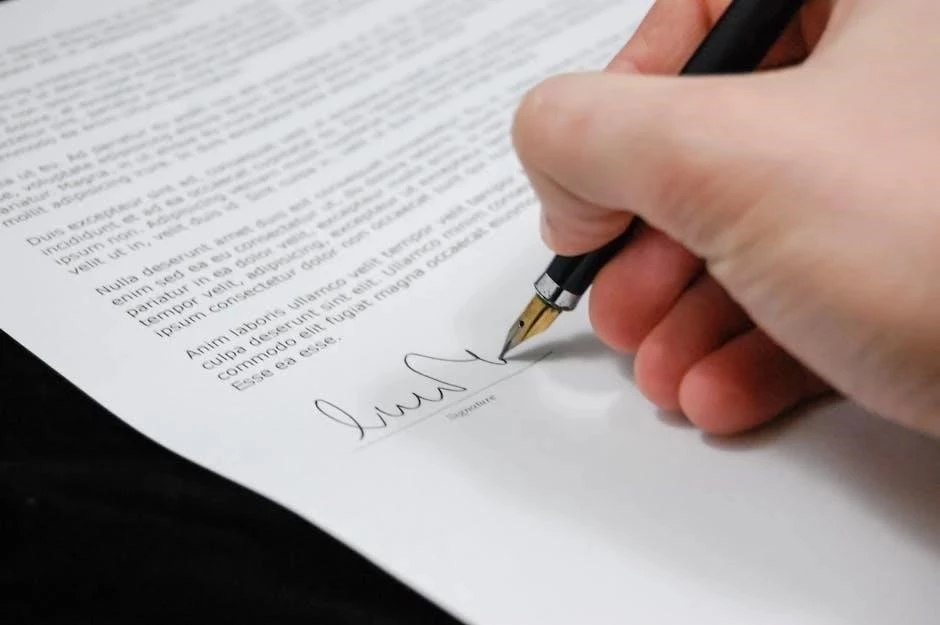
Assessing Clinical vs. Legal Capacity
The central challenge when confabulation creates resistance to POA forms is determining if the patient still retains the legal capacity to sign. In New York, the standard is generally whether the individual understands the nature and consequences of the document at the moment of signing.
- The Concept of Lucid Intervals: A patient who confabulates about breakfast may still have a “lucid interval” where they clearly understand that they trust their daughter to handle their banking. Clinical staff must monitor for these windows of clarity, which are often highest in the mid-morning.
- Specific Domain Capacity: Capacity is not all-or-nothing. A patient might lack the capacity to manage complex stock portfolios (and thus confabulate about them) but retain the capacity to appoint an agent to pay utility bills.
- Mini-Mental State Exam (MMSE) Limitations: Standard cognitive tests like the MMSE do not strictly determine legal capacity. A patient with a moderate score may still be unable to grasp the abstract concept of “fiduciary duty,” leading to paranoid confabulation.
- Documenting the Evaluation: It is critical to have a geriatrician or neurologist document the patient’s mental state specifically regarding their understanding of the POA, distinguishing between general memory loss and the specific ability to comprehend the contract.
Therapeutic Communication Strategies for POA Discussions
Attempting to force a patient to acknowledge the “truth” of a POA form usually results in the catastrophic reaction-a sudden emotional outburst. Nurses use specific communication modalities to navigate these conversations; NYC Medicaid Detox
- Validation Therapy: Developed by Naomi Feil, this approach suggests we should not correct the patient’s reality. If the patient says, “You are signing this to steal my money,” do not argue. Instead, validate the underlying emotion: “I can see you have worked hard for your savings and you want them protected. This paper is actually a shield to keep your money safe.”
- The “Therapeutic Lie” or Fiblet: In strict clinical ethics, we avoid lying. However, in dementia care, framing the POA in terms the patient accepts is compassionate. Instead of “This is a Power of Attorney so I can control your assets,” try “This is just the standard form for the bank so they can stop bothering you about signatures.”
- Environment Optimization: Reduce sensory overload. Confabulation increases when the brain is overstimulated. Conduct the signing in a quiet, familiar room, minimizing the presence of “strangers” (like multiple lawyers) if legally permissible.
- Redirect and delay: If the patient begins a confabulation loop (“I already signed this in 1950!”), do not correct them. Say, “That is great that you were so organized. The state just needs an update for their new files.” If agitation rises, stop immediately and try again later.
The Role of the Interdisciplinary Team
You should not attempt to secure a POA from a confabulating patient in isolation. A clinical and legal team provides the necessary buffer and validation.
- Neurology and Psychiatry: These specialists can prescribe medications that may temporarily stabilize mood or reduce paranoia/confabulation (such as acetylcholinesterase inhibitors) to facilitate a window for legal planning.
- Social Workers: They can act as neutral third parties. Often, a patient who is suspicious of a family member (due to Capgras syndrome or general paranoia) will be compliant with a “professional” in a uniform or suit who presents the paperwork.
- Elder Law Attorneys: An experienced attorney knows how to assess capacity through conversation without making the patient feel tested. They can structure the POA to be “springing” (only active upon incapacity), which might alleviate the patient’s fear of losing control immediately.
- New York State Resources: For residents in our area, the NY State DOH provides guidelines on advance directives and patient rights that can help guide these difficult decisions.
When Confabulation Mimics Abuse Allegations
One of the most dangerous aspects of confabulation regarding POA forms is when the patient creates a false memory of abuse or theft to explain their anxiety. This requires immediate and careful clinical management.
- Protective Documentation: If a patient claims “She forced me to sign,” and you are the caregiver, you must have concurrent medical notes proving the patient’s history of confabulation. This protects you from Adult Protective Services (APS) investigations.
- The “sundowning” factor: Allegations and confusion often worsen in the late afternoon. Never schedule legal signings or serious conversations after 3:00 PM for patients exhibiting sundown syndrome;
- Avoiding the “Argue-Explain” Cycle: Explaining that you haven’t stolen money usually makes the patient more suspicious (“Why are they defending themselves so hard?”). Clinical detachment is necessary; reply with short, neutral statements and move to a different topic.
- Third-Party Oversight: If the patient is highly accusatory, having a geriatric care manager present during financial discussions protects the family member from false narratives of coercion.
Alternatives When POA is Impossible
There comes a clinical threshold where confabulation is so severe and persistent that the patient cannot legally sign a POA; Recognizing this point is vital to avoid legal invalidation later.
- Guardianship (Article 81 in NY): If the patient cannot grasp the POA due to cognitive decline, the family must petition the court for guardianship. This is a longer, more expensive public process where a judge declares incapacity.
- Representative Payee Status: For Social Security income specifically, you may not need a POA. You can apply to be a Representative Payee directly through the Social Security Administration, which is often easier to process than a contested POA.
- Health Care Proxy vs. POA: Sometimes a patient will trust a family member with health decisions but not money. It is clinically acceptable to separate these roles; getting a Health Care Proxy signed is often easier and ensures medical decisions are covered even if finances require guardianship.
- Palliative Care Approach: If the estate is small and the stress of signing is causing the patient severe distress, a palliative approach prioritizes the patient’s comfort over administrative perfection, handling issues only as they become critical.
Nurse Insight: In my experience, the hardest part for families isn’t the paperwork-it’s the heartbreak of being looked at with suspicion by a parent who used to trust you implicitly. I remember a daughter, Sarah, trying to get her father to sign a POA. He looked at her and said, “I know you’re working for the bank to take my home.” She left the room in tears. My advice is to depersonalize the moment. The disease is talking, not your father. We waited two days, approached him after his favorite breakfast when he was calmest, and framed the document as “help with the taxes.” He signed it without issue. You have to be willing to lose the battle (the argument) to win the war (his care and safety).
Frequently Asked Questions
What is the difference between delusions and confabulation regarding POA forms?
While they can look similar, confabulation is the filling of memory gaps with false information, often fluid and changing. Delusions are fixed, false beliefs that are resistant to change (e.g., believing the POA is a death warrant). Confabulation is often triggered by a specific question (“What is this form?”), whereas delusions are often persistent states of mind.
Can a notary notarize a signature if the patient is confabulating?
No, a responsible notary should refuse to notarize a document if the signer appears confused, does not understand what they are signing, or is articulating false realities about the document’s content. Doing so could invalidate the document and put the notary at legal risk.
Is it legal to video record the POA signing to prove capacity?
Yes, and it is often recommended in complex dementia cases. A video recording can demonstrate that, at the specific moment of signing, the patient was lucid, answered questions correctly, and acted voluntarily, even if they confabulated before or after the event.
What if the patient believes they already signed the POA years ago?
This is a common confabulation. Do not argue that they didn’t. Instead, frame the current document as an “update” required by new laws or bank policies. Frame it as “renewing” their paperwork rather than creating something new, which feels safer to the patient.
Should I bring the patient’s doctor to the POA signing?
While the doctor does not need to be present for the signing itself, having a medical evaluation performed immediately prior to the signing is the “gold standard” for establishing capacity. Some families choose to have the signing take place in a medical setting if the patient feels more compliant there.
Contact ProLife Home Care NYC for a free clinical assessment:(718) 232 – 2777
Contact ProLife Home Care NYC for a free clinical assessment: (718) 232-2777