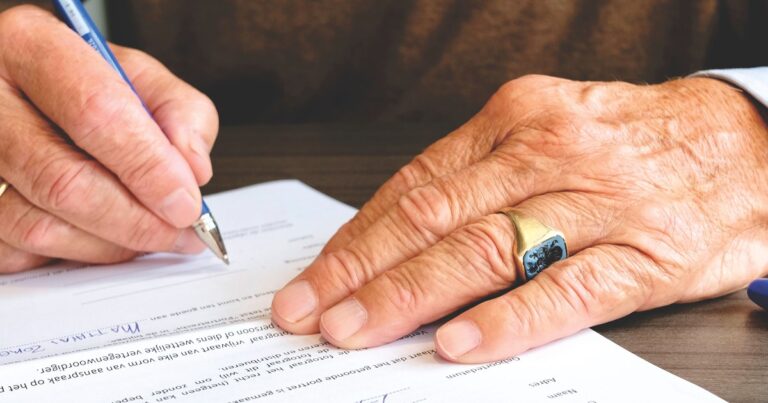
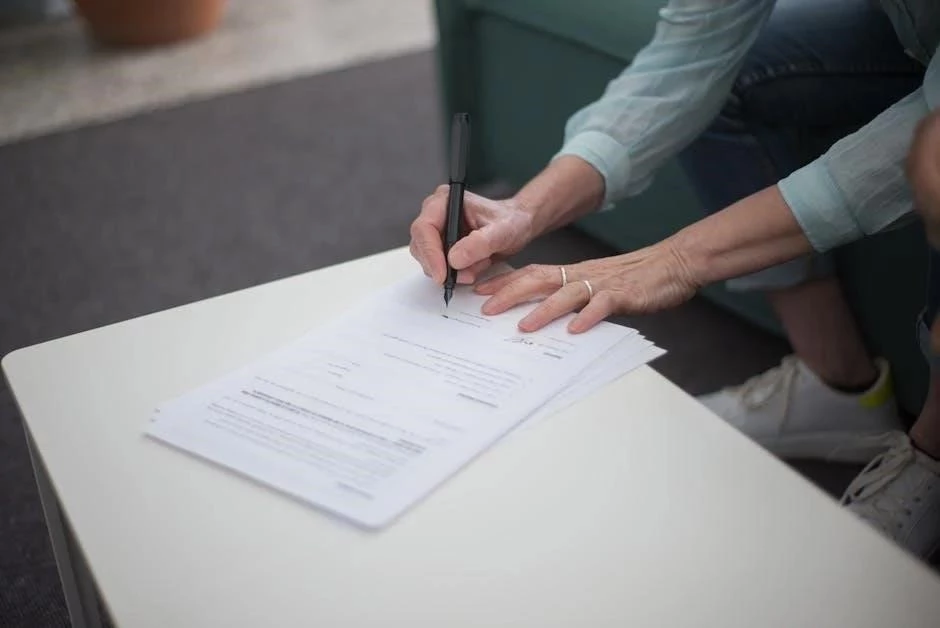
As a Senior NYC Nurse who has spent years working directly with elderly patients across the five boroughs, I know how heartbreaking and stressful it can be when physical limitations suddenly interfere with important family planning. So often, I hold the hands of devoted sons, daughters, and spouses who feel completely paralyzed by the red tape of establishing a Power of Attorney when their loved one can no longer grip a pen. Please take a deep breath and know that physical disability does not erase your parent or spouse’s right to make their own choices. There are completely legal, dignified, and straightforward ways to secure these vital documents in New York State so your family can focus on what truly matters: providing unwavering love and care.
Clinical Quick Answer
In New York State, a physically disabled senior who has full mental capacity but cannot physically write their name can still legally execute a Power of Attorney (POA) using a signature by mark or by directing another person to sign on their behalf. This proxy process requires the presence of two disinterested witnesses and a licensed Notary Public to properly verify the senior’s identity, clear intent, and cognitive capacity at the exact time of signing. Securing a NY statutory short form POA this way ensures that families can seamlessly manage medical, financial, and legal affairs without disruption or the need for a court-appointed guardianship.
Understanding the Crucial Difference Between Cognitive Capacity and Physical Ability
In the clinical setting, one of the most common misconceptions I encounter is the belief that a severe physical disability automatically equates to an inability to make legal decisions. Conditions such as Amyotrophic Lateral Sclerosis (ALS), severe rheumatoid arthritis, Parkinson’s disease, or the physical aftermath of a major stroke can rob a senior of their fine motor skills. They may be unable to hold a pen, manipulate paper, or even speak clearly due to dysarthria. However, these physical barriers do not mean the patient has lost their cognitive capacity; Mental capacity is defined by the ability to understand the nature, consequences, and implications of signing a document.
To legally execute a Power of Attorney in New York State, the principal (the senior) must possess a sound mind. As healthcare professionals, we look for several indicators to confirm that the senior understands what they are doing. If a family anticipates any pushback from financial institutions regarding the validity of the document, it is highly advisable to arrange for a formal capacity assessment before the notary arrives. This proactive step can save families months of grueling legal battles in the future.
- Orientation to Reality: The senior must be oriented to person, place, and time, demonstrating a clear understanding of who they are appointing as their agent. Free Medical Equipment
- Understanding of Authority: They must comprehend that they are granting another person the legal authority to handle their finances, real estate, and healthcare payments;
- Consistent Communication: Even if non-verbal, the senior must have a consistent method of communicating “yes” and “no,” such as blinking, using an assistive communication board, or utilizing eye-tracking technology.
- Physician Documentation: Securing a written letter of competency from a treating physician or neurologist dated near the signing date serves as a powerful shield against future scrutiny.
The New York State Signature by Mark Procedure
When a senior retains some rudimentary physical movement but cannot fluidly write out their signature, New York law permits the execution of legal documents via a “signature by mark.” This is an incredibly common, legally binding accommodation that allows the individual to place an identifying symbol on the signature line. The most traditional mark is an “X,” but any deliberate mark made by the senior with the intent to sign the document is legally sufficient. This method preserves the senior’s autonomy and physical connection to the execution of their legal rights.
For this process to be legally airtight, the notary public must follow highly specific protocols. The notary cannot simply accept an illegible scribble without proper notation. The notary must visually observe the senior making the mark. After the senior makes their mark, the notary or one of the witnesses will typically print the senior’s first name to the left of the mark, and their last name to the right of the mark, along with the words “His Mark” or “Her Mark.” This explicitly clarifies to any bank, court, or city agency exactly how the signature was rendered.
- Voluntary Action: The senior must make the mark voluntarily. While someone can help steady the senior’s arm, they must not force the senior’s hand to make the shape.
- Proper Notary Notation: The notary must document the use of a mark in their official journal, recording the specific circumstances of the physical disability.
- Two Disinterested Witnesses: Two adult witnesses must be physically present in the room to observe the mark being made, confirming that no coercion took place.
- Alternative Marks: In some circumstances, an ink thumbprint can be utilized alongside the “X” to further authenticate the principal’s identity and physical presence.
Executing a Signature by Proxy (Directing Another to Sign)
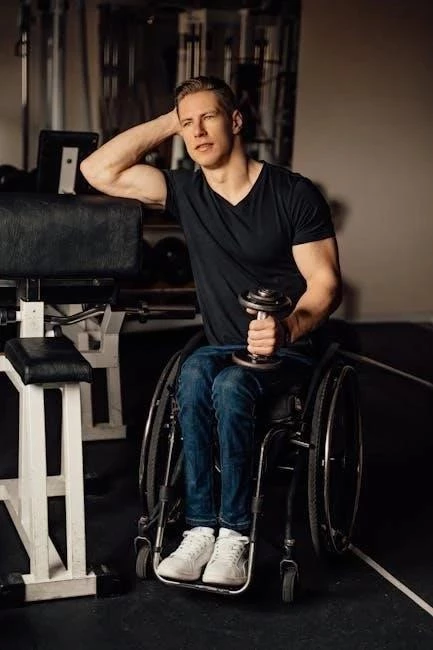
There are clinical scenarios where a senior is experiencing complete quadriplegia or paralysis and is completely incapable of making any physical mark whatsoever. In these profound situations, the New York General Obligations Law provides a powerful, compassionate alternative: signature by proxy. Under this provision, a cognitively intact senior can verbally or non-verbally direct another adult to physically sign the document on their behalf. The proxy signer acts merely as a human pen, executing the signature solely at the express command of the disabled senior.
The rules governing who can act as the proxy signer are intentionally strict to prevent elder abuse and fraud. The proxy cannot be the person being appointed as the agent (the attorney-in-fact), nor can the proxy be the notary public authenticating the document. The senior must communicate their directive clearly in front of the notary and the two disinterested witnesses. The senior must explicitly state, or indicate through reliable assistive technology, “I direct you to sign my name to this Power of Attorney.”
- Clear, Unequivocal Direction: The senior’s instruction to the proxy must be unambiguous and witnessed by all parties simultaneously.
- Proxy Limitations: The individual acting as the proxy must be entirely independent from the powers granted in the document.
- Specific Acknowledgment: The notary must utilize a specific acknowledgment jurat that explicitly states the document was signed by another individual at the direction of the principal.
- Witness Signatures: The two disinterested witnesses must sign an affidavit confirming they heard the senior direct the proxy and watched the proxy sign the senior’s name.
The Critical Role of Notaries and Witnesses in NYC
In New York City, the logistical execution of signing a Power of Attorney for a homebound or hospitalized senior heavily relies on mobile notaries and reliable witnesses. A Power of Attorney in New York is an extraordinarily powerful document; as such, the state requires it to be signed before a licensed Notary Public and two disinterested witnesses. This is not a casual gathering; it is a formal legal proceeding happening at the bedside. Ensuring that you have the right people in the room is critical to preventing the document from being rejected by banks, real estate boards, or Medicaid offices down the line.
Finding “disinterested witnesses” can sometimes be challenging for families. A disinterested witness is an adult who is not named in the document, is not a blood relative who might inherit from the estate, and does not gain any financial benefit from the Power of Attorney. Because nursing facility staff and hospital social workers are often prohibited by corporate policy from acting as witnesses to legal documents, families must coordinate bringing family friends, trusted neighbors, or hired professional witnesses to the bedside.
- Mobile Notary Services: Families should hire specialized mobile notaries who are experienced in dealing with elderly, disabled, or hospitalized clients and understand the nuances of proxy signatures.
- Witness Requirements: Witnesses must present valid government-issued photo identification to the notary before the signing begins.
- Continuous Presence: All parties—the senior, the proxy (if used), the notary, and the two witnesses—must remain in the same room for the entire duration of the signing.
- Notary Assessment: The notary has an independent legal obligation to refuse the notarization if they suspect the senior is confused, heavily medicated, or acting under duress.
Coordinating Legal Documentation with NY Healthcare Systems
A beautifully executed Power of Attorney is only as effective as its integration into the senior’s broader healthcare and financial plan. For disabled seniors in NYC, the POA is the linchpin for managing complex systems like the Human Resources Administration (HRA), Medicare, and Community Medicaid; If a physically disabled senior requires a home health aide through a Managed Long-Term Care (MLTC) plan, the family will urgently need the POA to access bank records, create a pooled income trust, and submit the extensive documentation required by the city.
Furthermore, while the POA handles financial and legal matters, it must work in tandem with a New York Health Care Proxy form. Families must ensure that both documents are properly executed and placed on file with the senior’s primary care physician, local hospital networks, and specialists. For the most up-to-date regulations, approved forms, and guidance on patients’ rights regarding legal and medical decisions, families should regularly consult the official NY State DOH website. Having these documents unified and readily accessible is vital for seamless care coordination.
- Statutory Gifts Rider Modernization: Ensure you are using the most current NY Statutory Short Form (updated in 2021), which integrated gifting powers into the Modifications section, essential for Medicaid asset protection.
- Hospital Compliance: Present the original, notarized POA to the hospital’s legal or medical records department so they can scan it directly into the senior’s electronic medical record (EMR).
- Financial Institution Reviews: Anticipate that major banks will pass the POA through their own legal departments; having clear witness and notary documentation prevents bureaucratic delays.
- Emergency Preparedness: Always keep a laminated copy or a secure digital scan of the executed POA on your smartphone in case a sudden medical crisis necessitates immediate legal proof of your authority.
Practical Nursing Advice for Families Preparing for the Signing
Beyond the strict legal mechanics of marks and proxy signatures, the physical and emotional environment in which the signing takes place drastically impacts the success of the process. As nurses, we witness how anxiety, pain, and fatigue can temporarily cloud a senior’s cognition. If a senior is dealing with chronic pain or the exhausting physical demands of a severe disability, forcing a signing ceremony at the wrong time of day can lead to the senior appearing confused or uncooperative, forcing the notary to cancel the appointment.
Preparation is everything. Families must treat the signing appointment like a vital medical procedure. Manage the senior’s physical comfort first. Ensure they have received their prescribed pain medication in a window where it provides relief but does not cause excessive drowsiness. Clear the room of distractions—turn off the television, lower the alarms if in a clinical setting, and ask non-essential visitors to step out. Speak clearly, maintain eye contact, and validate the senior’s emotions. Loss of physical independence is grieving process; honoring their dignity during this legal transfer of power is the greatest gift a family can provide.
- Optimal Timing: Schedule the notary for a time when the senior is typically most alert, often late morning after breakfast and before afternoon sundowning or fatigue occurs.
- Physical Positioning: Elevate the head of the hospital bed, ensure their wheelchair is properly tilted, and provide a stable over-bed table if they will be attempting a signature by mark.
- Hydration and Comfort: Offer water, adjust room temperature, and ensure eyeglasses or hearing aids are cleaned, inserted, and fully functional.
- Pre-Meeting Briefing: Speak to the notary and witnesses outside the room first. Explain the senior’s physical limitations and communication methods so the professionals do not act shocked or patronizing when they enter.
Nurse Insight: In my experience, the biggest hurdle isn’t the legal requirement—it’s the sheer exhaustion and anxiety the senior feels during the process. I always recommend scheduling the notary visit for mid-morning, typically around 10:30 AM, after breakfast and morning medications have settled, but before the afternoon fatigue sets in. Have a glass of room-temperature water nearby, ensure their wheelchair or hospital bed is comfortably positioned, and never, ever rush them. If they are communicating through blinks, squeezes, or assistive devices, make sure the notary and witnesses are completely briefed in the hallway beforehand. This ensures your loved one feels respected, heard, and deeply supported rather than treated like an obstacle.
Frequently Asked Questions
Can an NYC senior with a physical disability sign a Power of Attorney if they cannot hold a pen?
Yes. In New York State, if a senior has full mental capacity but lacks the physical ability to hold a pen or write their name, they can legally execute a Power of Attorney. They can do this by either making a physical mark, such as an X, or by explicitly directing another adult to sign the document on their behalf in the presence of a notary public and two disinterested witnesses.
What is the difference between a signature by mark and a signature by proxy in New York?
A signature by mark means the disabled senior physically touches the pen to make an identifying symbol, like an X or a fingerprint, which the notary then officially records. A signature by proxy occurs when the senior is completely physically paralyzed and verbally or non-verbally directs a designated third party to sign the senior’s name onto the document while the senior, notary, and witnesses observe.
Who can serve as a witness when a physically disabled person signs a POA?
New York law requires two disinterested witnesses. This means the witnesses must be adults who are not named as agents or successor agents in the Power of Attorney document, and they should not be individuals who stand to benefit financially from the senior’s estate. Often, neighbors, social workers, or facility staff serve in this capacity.
Do I need a doctor’s note proving my parent has mental capacity?
While New York law does not strictly require a physician’s letter to execute a Power of Attorney, having a contemporaneous letter of competency from a neurologist or primary care physician is highly recommended. This protects the family from future legal challenges, especially if the senior’s physical disability severely impairs their ability to speak or communicate clearly.
Will a Power of Attorney signed by mark or proxy be accepted for Medicaid planning?
Yes. As long as the New York Statutory Short Form Power of Attorney is properly executed, witnessed, and notarized according to state law, it is fully valid for all legal and financial matters. This includes applying for Community Medicaid, managing long-term care plans, and handling real estate transactions.
Contact ProLife Home Care NYC for a free clinical assessment:(718) 232 – 2777