Navigating the complexities of aging in New York City can feel completely overwhelming, especially when trying to ensure your elderly loved ones are fully protected from financial and administrative pitfalls. As a senior nurse working closely with NYC families, I have held the hands of countless adult children who are highly stressed about making the right long-term care decisions for their declining parents. Choosing a Power of Attorney (POA) agent is one of the most vital, foundational steps you can take to safeguard your family’s future and preserve your senior parent’s dignity through their twilight years. My ultimate goal is to guide you through this emotional process with compassion, offering professional, clinical insight so your family can feel confident, united, and completely secure in your choice.
Clinical Quick Answer
Selecting the most reliable Power of Attorney (POA) agent requires identifying a highly trustworthy individual who possesses strong financial acumen, geographical proximity to New York City, and the emotional resilience to manage high-stress medical and financial situations. The ideal agent must be capable of seamlessly executing complex legal and administrative duties while strictly adhering to the senior’s predetermined wishes and keeping meticulous records. Ultimately, prioritizing objective organizational capability over emotional family hierarchy ensures the chosen representative will effectively protect the senior’s assets and coordinate necessary care without conflict.
Understanding the True Scope and Gravity of a POA Agent in New York
When selecting a Power of Attorney for an aging parent, it is critical to first understand exactly what this role entails under New York State law. A POA agent is a fiduciary, meaning they are legally and ethically bound to act solely in the best interest of the senior (the principal). In the bustling, fast-paced environment of NYC, where the cost of living and long-term care is astronomically high, the responsibilities placed on an agent are immense. They are not merely signing checks; they are making profound decisions that will dictate the quality of life the senior experiences in their final years. Understanding this immense responsibility is the first step in weeding out candidates who may not be equipped for the job.
The agent will be tasked with everything from managing complex NYC real estate transactions, such as paying co-op maintenance fees or dealing with landlords, to navigating the labyrinthine rules of the local Department of Social Services. A durable POA allows the agent to continue acting on the senior’s behalf even if the senior becomes completely incapacitated by conditions like Alzheimer’s or dementia. Therefore, the person stepping into this role must be fully prepared to shoulder a heavy burden for an extended period.
- Fiduciary Legal Duty: The agent must never mix the senior’s funds with their own and must always avoid conflicts of interest.
- Durable vs. Non-Durable: Ensure the POA is durable so that protection remains intact during cognitive decline or medical emergencies.
- Comprehensive Authority: The agent may need to handle banking, tax filings with the IRS and NYS, retirement accounts, and Medicaid trusts.
- Statutory Gifts Rider Integration: New York revised its POA form in 2021, integrating gift-giving powers into the main document, which requires careful navigation by the agent.
Essential Character Traits to Look for in a Prospective Agent
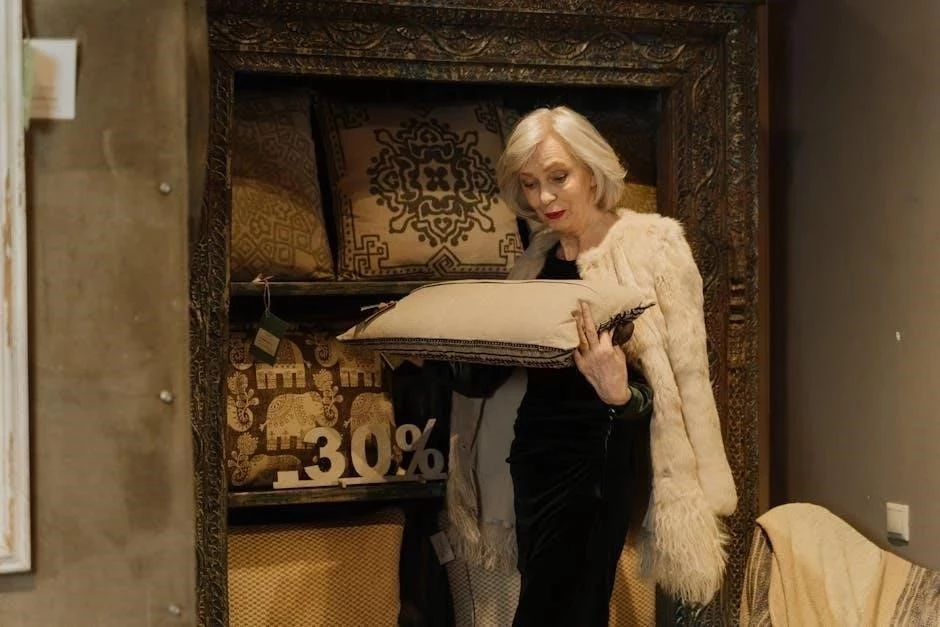
Choosing an agent should never be a popularity contest or a default award given to the oldest sibling. The sheer complexity of elder care requires a specific set of character traits. A reliable POA agent must possess unshakeable integrity, as they will have unfettered access to the senior’s life savings and assets. Elder financial abuse is a tragically common occurrence, and it is most often perpetrated by family members who succumb to temptation or rationalization when money is easily accessible. You must choose someone whose honesty is absolute and proven over a lifetime.
Beyond basic honesty, emotional stability and assertiveness are crucial. The agent will frequently need to advocate for the senior against massive, bureaucratic institutions. Whether they are disputing a hospital discharge, fighting a denial from a health insurance company, or negotiating with a home care agency, the agent must be a fierce, organized, and articulate advocate. They must be able to keep their emotions in check during highly stressful, grief-inducing situations, separating their personal sorrow from the practical steps required to care for the senior.
- Unquestionable Integrity: A track record of honesty and ethical behavior in their personal and professional life.
- Emotional Resilience: The ability to remain calm, focused, and decisive during medical crises or financial disputes.
- Assertive Advocacy: Confidence in dealing with lawyers, doctors, bank managers, and government bureaucrats.
- Impartiality: The capacity to put the senior’s previously stated wishes above their own personal preferences or convenience.
Financial Literacy and High-Level Organizational Skills
Managing the life of a senior citizen in New York City is equivalent to running a small business. The sheer volume of paperwork, bills, legal notices, and tax documents can quickly bury someone who lacks organizational skills. A reliable POA agent must be financially literate. They do not necessarily need to be a Wall Street banker or a Certified Public Accountant, but they must understand basic accounting principles, how to balance ledgers, and how to manage diverse assets. They will be responsible for ensuring that the senior’s bills are paid on time so that essential services like electricity, phone, and medical insurance are never interrupted.
Furthermore, maintaining meticulous records is not just good practice; it is a legal requirement. If the senior ever needs to apply for Medicaid to cover the exorbitant costs of nursing home care or home attendants in NYC, the government will demand a five-year look-back period of all financial records. Every penny must be accounted for. If the agent is sloppy, the senior could be hit with a Medicaid penalty period, leaving them financially devastated and without care. An organized agent will keep digital and physical copies of every transaction, receipt, and bank statement.
- Meticulous Record-Keeping: Ability to maintain an audit trail for potential Medicaid applications and family transparency.
- Understanding of NYC Real Estate: Knowledge of how to manage property taxes, condo boards, or lease agreements on behalf of the senior.
- Timely Bill Management: A proven personal history of paying bills on time and avoiding late fees or service interruptions.
- Collaborative Approach: Willingness to consult with financial advisors and elder law attorneys when facing complex tax or investment decisions.
The Strategic Importance of Physical Proximity and Availability
While we live in a digital age where banking and communication can be done online, there is simply no substitute for physical presence when it comes to elder care advocacy. Choosing an agent who lives in the five boroughs of NYC, or at least within a reasonable commuting distance (like Long Island, Westchester, or North Jersey), is a massive advantage. Crises do not follow a schedule. If a senior suffers a fall and is rushed to a busy NYC emergency room, an out-of-state agent will be helpless to intervene physically. A local agent can immediately travel to the hospital to secure the senior’s apartment, speak directly with attending physicians, and manage the chaotic transition from hospital to a rehabilitation facility.
Additionally, dealing with local agencies often requires in-person visits. Whether it is visiting a local Medicaid office, physically assessing a potential nursing home, or meeting with a home health aide coordinator, boots on the ground are essential. For comprehensive guidelines on selecting local nursing homes and understanding state health regulations, agents and families should regularly consult resources provided by the NY State DOH. An agent who is locally available can make surprise visits to the senior’s home or care facility, ensuring that the level of care remains consistently high and preventing neglect.
- Rapid Emergency Response: Ability to physically arrive at an NYC hospital or the senior’s home within an hour or two.
- In-Person Advocacy: Meeting face-to-face with bank branch managers, lawyers, and healthcare administrators.
- Facility Monitoring: Conducting unannounced visits to skilled nursing facilities or monitoring in-home care aides to ensure safety.
- Time Availability: Having a flexible enough schedule to dedicate hours during the normal workweek to administrative tasks and phone calls.
Navigating Family Dynamics and Preventing Internal Conflict
One of the most challenging aspects of selecting a POA agent is managing the complex, often fraught dynamics of the family unit. Parents naturally want to avoid hurting their children’s feelings, which frequently leads to the dangerous practice of appointing multiple siblings as co-agents who must act jointly. While this seems fair on the surface, it is a recipe for disaster. If co-agents disagree on a financial decision, the resulting gridlock can cause bills to go unpaid or assets to be mismanaged while they argue. It is generally much safer to appoint one highly capable primary agent, and name the others as successor agents if the primary becomes unavailable.
Transparency is the key to preventing long-term resentment. Once the senior has made their decision based on objective criteria (who is the most organized, who lives closest, who has the best financial head), it is vital to hold a family meeting. The senior, perhaps with the help of an elder care attorney or a social worker, should explain the rationale behind the choice to all the children. Emphasize that the role of POA is a heavy burden, not a prize or a measure of love. Setting expectations for transparency-such as the agent agreeing to share quarterly financial summaries with all siblings-can build trust and prevent suspicious, damaging accusations down the line.
- Avoid Joint Co-Agents: Prevent administrative gridlock by designating one primary decision-maker with distinct successor agents.
- Prioritize Skill Over Birth Order: Choose the agent based on practical ability and financial literacy, not traditional family hierarchy.
- Open Communication: Hold a moderated family meeting to announce the decision and explain the logical reasoning behind it.
- Mandate Transparency: Encourage the designated agent to share financial statements and major decisions with the rest of the family to foster trust.
Legal Formalities and Setting Up Fail-Safes in New York
Once the ideal agent has been identified, the process of formalizing the Power of Attorney must be handled with strict adherence to New York State law. Do not rely on generic, downloaded forms from the internet. New York elder law is highly specific, and a poorly drafted document can be rejected by NYC banks and financial institutions right when you need it most. It is imperative to work with a qualified, local elder law attorney who can draft a comprehensive POA that specifically addresses the senior’s unique financial situation, including powers related to estate planning and Medicaid asset protection.
To establish strong fail-safes, the document should always name at least one, and preferably two, successor agents. Life is unpredictable; the primary agent could move away, fall ill, or simply become too overwhelmed to continue. Furthermore, once the document is signed, witnessed, and notarized, it is crucial to be proactive. The agent should present the POA to the senior’s primary banks and financial advisors immediately, while the senior is still of sound mind. Banks have notoriously strict, time-consuming compliance departments, and it is much better to get the POA approved and kept on file during a period of calm rather than fighting bureaucratic red tape during a medical emergency.
- Hire an Elder Law Attorney: Ensure the document complies with the most recent New York State legal statutes and includes necessary modifications.
- Name Successor Agents: Always have backup individuals legally named to step in if the primary agent cannot fulfill their duties.
- Pre-Register with Banks: Submit the fully executed POA to all relevant financial institutions for their legal department’s approval before a crisis hits.
- Safe Storage: Keep the original document in a fireproof safe or with the drafting attorney, and provide certified copies to the agent and the senior’s healthcare providers.
Nurse Insight: In my experience, the families that thrive and stay united during health crises are those who selected a POA based on organizational skills and geographic availability rather than guilt or birth order. I once worked closely with an NYC family where the youngest daughter was chosen because she lived in Brooklyn and had a background in corporate administration. Although the older siblings were initially offended by this break in tradition, her ability to swiftly manage a complex Medicaid application, consolidate bank accounts, and physically coordinate with the hospital discharge planners saved the family immense stress and thousands of dollars. Always choose the person who can remain calm under pressure and keep meticulous records. Making this difficult, practical choice is actually the truest act of love and protection for your aging parent.
Frequently Asked Questions
What happens if the appointed POA agent cannot fulfill their duties?
If the primary Power of Attorney agent becomes incapacitated, passes away, or simply declines to serve, the responsibility falls to the successor agent named in the original legal document. If no successor was appointed and the senior is no longer competent to draft a new POA, the family may be forced to petition a New York court for adult guardianship, which is a costly, time-consuming, and highly restrictive legal process.
Can a NYC senior appoint more than one POA agent?
Yes, a senior can appoint multiple individuals to serve as co-agents. In New York, the senior can specify whether these co-agents must act jointly (meaning they must agree on every decision) or if they can act separately (meaning either agent can make a binding decision independently). While appointing co-agents who can act separately offers convenience, it can also lead to miscommunication and conflicting actions if the agents do not communicate well.
Does the financial POA agent have control over healthcare and medical decisions?
No, a standard Power of Attorney in New York primarily covers financial, property, and legal matters. To authorize someone to make medical decisions, the senior must execute a separate document known as a Health Care Proxy. It is very common, however, for families to appoint the same highly reliable individual to act as both the financial POA and the Health Care Proxy to ensure cohesive management of the senior’s life. Clinical Assessment
How often should a NYC senior review or update their Power of Attorney document?
It is highly recommended that seniors review their Power of Attorney documents every three to five years, or immediately following any major life event. These events include the death or severe illness of the appointed agent, a significant change in the senior’s financial status, a relocation to a different state, or major changes to New York State estate and Medicaid laws.
Are POA agents financially compensated for their time and duties?
Under New York law, a POA agent is not automatically entitled to compensation unless the senior explicitly authorizes it within the Power of Attorney document itself. If authorized, the compensation must be reasonable based on the services provided. Regardless of compensation, the agent is always entitled to reimbursement for reasonable out-of-pocket expenses incurred while managing the senior’s affairs, provided they keep strict, documented records.
Contact ProLife Home Care NYC for a free clinical assessment:(718) 232 – 2777
Contact ProLife Home Care NYC for a free clinical assessment: (718) 232-2777