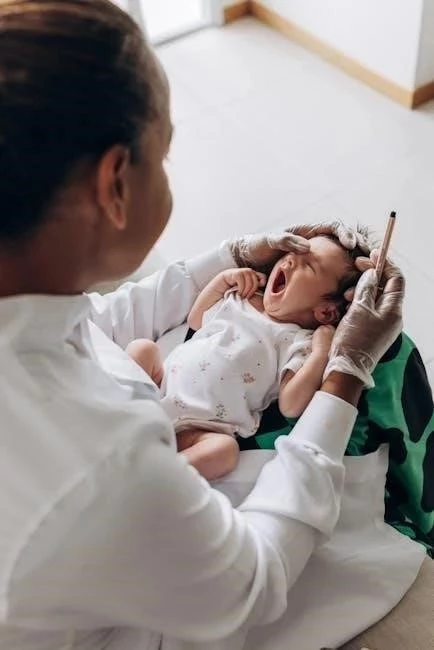
As a senior nurse who has worked within the streets of Lower Manhattan for decades, I have seen firsthand how daunting the healthcare system can feel for immigrant families. Choosing Home care Chinatown NYC services is not just a clinical decision, but a commitment to honoring your parents’ legacy and their desire to age with grace. We understand that your family’s primary goal is to keep your loved ones safe, well-fed, and culturally connected in the neighborhood they call home. My mission is to guide you through the complexities of the system so you can focus on being a daughter or son again, rather than a full-time coordinator.
Clinical Quick Answer
To secure Home care Chinatown NYC services, seniors must first qualify for New York Medicaid and undergo a formal Nursing Assessment NYC conducted by the Uniform Assessment System (UAS). This assessment determines the medical necessity for personal care assistants or the Consumer Directed Personal Assistance Program (CDPAP). Professional home care in this region emphasizes linguistic matching and cultural competency to ensure the highest standard of safety and patient compliance.
Understanding the Options for Home care Chinatown NYC
- Agency-Based Personal Care: This is the traditional model where a licensed home care service agency (LHCSA) sends a certified Home Health Aide (HHA) to the senior’s home. For families seeking Home care Chinatown NYC, this often means selecting an agency with a deep roster of Cantonese and Mandarin-speaking aides who understand traditional dietary preferences and cultural norms.
- Consumer Directed Personal Assistance Program (CDPAP): This Medicaid-funded program allows the senior (or their representative) to hire, train, and supervise their own caregiver. In the Chinatown community, many families choose this route so that a trusted relative or friend can provide care while receiving a wage, ensuring that the senior feels completely comfortable with their provider.
- Private Pay Services: For those who do not qualify for Medicaid or are in the process of spending down assets, private pay options provide immediate access to care without the wait times associated with government assessments.
- Skilled Nursing Care: Unlike personal care, this involves a Registered Nurse (RN) or Licensed Practical Nurse (LPN) performing clinical tasks such as wound care, injections, or ventilator management.
- MLTC Coordination: Managed Long Term Care (MLTC) plans are the gatekeepers for home care services in NYC. Choosing a plan that has strong partnerships with Chinatown-based providers is crucial for seamless service.

The Critical Role of the Nursing Assessment NYC
- The UAS Evaluation: Every senior applying for home care must undergo a Nursing Assessment NYC using the Uniform Assessment System. A nurse will visit the home to evaluate the patient’s ability to perform Activities of Daily Living (ADLs) such as bathing, dressing, and toileting.
- Clinical Observation: The nurse does not just listen to the patient; they observe their gait, their ability to stand from a chair, and their cognitive clarity. For seniors in Chinatown, it is helpful to have a translator or family member present to ensure the nurse understands the full extent of the senior’s limitations.
- Environmental Review: Part of the Nursing Assessment NYC includes checking the home for hazards. In older Chinatown tenements, this might include checking for narrow hallways, steep stairs, or the lack of grab bars in bathrooms.
- Medication Management: The assessing nurse will review all prescriptions and over-the-counter supplements. They look for potential interactions and the senior’s ability to self-administer medications accurately.
- Determination of Hours: Based on the data collected during the assessment, the MLTC plan will determine how many hours of care per day or week are medically necessary to keep the senior safe at home.
Medicaid Eligibility and the NY State DOH Guidelines
- Income and Asset Limits: To qualify for home care through Medicaid, seniors must meet specific financial criteria set by the NY State DOH. For many NYC seniors, a “Pooled Income Trust” is used to protect income that exceeds the Medicaid limit, allowing it to be used for living expenses while maintaining eligibility.
- The Look-Back Period: It is important to stay updated on the New York State “look-back” rules for home care, which may impact how recently assets were transferred before applying for benefits.
- Documentation Requirements: Applying for Medicaid requires a mountain of paperwork, including proof of residency, citizenship or legal status, bank statements for several years, and proof of all income sources.
- Annual Recertification: Once a senior is approved for Home care Chinatown NYC, they must recertify their Medicaid every year to ensure they still meet the financial and clinical criteria for care.
- Spousal Refusal: In certain cases, if one spouse needs care and the other has assets, “spousal refusal” may be an option to ensure the ill spouse gets the care they need without impoverishing the healthy spouse.
Cultural and Linguistic Competence in Care
- Language Support: Effective Home care Chinatown NYC relies on the aide’s ability to communicate in the senior’s native dialect. Miscommunications in healthcare can lead to medication errors or missed symptoms of illness.
- Dietary Sensitivity: Aides working in Chinatown are often trained in preparing traditional Chinese meals, such as congee or steamed fish, which are vital for a senior’s nutritional health and emotional well-being.
- Respect for Tradition: Understanding the importance of lunar holidays, ancestral altars, and traditional Chinese medicine (TCM) integrated with Western care is a hallmark of high-quality local agencies.
- Community Integration: Good home care helps seniors stay connected to their community, whether that means a walk to Columbus Park or a trip to the local market, which reduces the risk of senior isolation and depression.
- Trust Building: For many seniors who immigrated to NYC, there can be a skepticism of government systems. Using local, culturally aligned agencies helps build the trust necessary for successful long-term care.
Enhancing Safety Through Clinical Oversight
- Fall Prevention: Falls are the leading cause of injury for seniors. Agencies providing Home care Chinatown NYC often conduct regular safety audits to suggest improvements like non-slip mats or improved lighting.
- Skin Integrity: For bedbound or limited-mobility patients, home care aides are trained to watch for the early signs of pressure ulcers (bedsores) and report them to the supervising nurse immediately.
- Hydration and Nutrition: Dehydration is a common cause of hospitalization among the elderly. Aides ensure consistent fluid intake and monitor for signs of malnutrition or sudden weight loss.
- Emergency Preparedness: Every home care plan must include an emergency protocol, especially in high-density areas like Chinatown where elevator outages or extreme weather can pose significant risks to seniors.
- Vital Sign Monitoring: Many aides are trained to take blood pressure and oxygen saturation levels, providing a daily “early warning system” for chronic conditions like hypertension or COPD.
The Impact of Home Care on Family Caregivers
- Respite for Children: Many “sandwich generation” parents in NYC are balancing careers, their own children, and their aging parents. Professional home care provides the respite needed to prevent caregiver burnout.
- Peace of Mind: Knowing that a professional has passed a Nursing Assessment NYC and is monitoring your parent allows you to focus on your relationship rather than just being a medical provider.
- Education: Home care nurses often teach family members how to properly transfer a patient from a bed to a wheelchair or how to manage complex diabetic diets.
- Advocacy: Home care agencies often act as advocates for the family, helping to communicate with doctors and insurance companies to ensure the senior’s needs are being met across the board.
- End-of-Life Support: If a senior’s health declines, home care can transition to include hospice support, allowing the individual to remain at home in Chinatown surrounded by family rather than in a hospital setting.
Nurse Insight: In my experience, the most successful home care transitions in Chinatown happen when the family is proactive rather than reactive. Don’t wait for a fall or a hospital stay to request a Nursing Assessment NYC. By starting the conversation early, you have more time to find an aide who truly connects with your parent’s personality and language needs, which makes all the difference in their quality of life.
Frequently Asked Questions
How long does it take to get a Nursing Assessment NYC scheduled?
Typically, once a request is made through a Managed Long Term Care (MLTC) plan or the CFEEC, an assessment is scheduled within 7 to 14 days. However, in urgent situations where a senior is being discharged from a hospital, this process can sometimes be expedited.
What is the difference between an HHA and a CDPAP caregiver?
An HHA (Home Health Aide) is a certified professional employed by an agency. A CDPAP caregiver is someone chosen by the family (like a relative) who may not have formal certification but is trained specifically by the family to care for that individual senior.
Does Medicaid cover 24-hour care in Chinatown?
Medicaid can cover 24-hour care (either live-in or split-shift) if the Nursing Assessment NYC determines it is medically necessary. This usually requires proof that the senior needs assistance frequently throughout the night and cannot be left alone for any period.
Are there specific agencies located directly in Chinatown?
Yes, there are several agencies with offices on Canal Street, East Broadway, and Mott Street. Choosing a local agency often means the aides live nearby, making them more reliable during transit delays or snowstorms.
Can I change my home care agency if I am unhappy?
Yes, you have the right to change your provider at any time. You should contact your MLTC coordinator to request a transfer to a different agency that better fits your cultural or clinical needs.
Contact ProLife Home Care NYC for a free clinical assessment:(718) 232 – 2777