
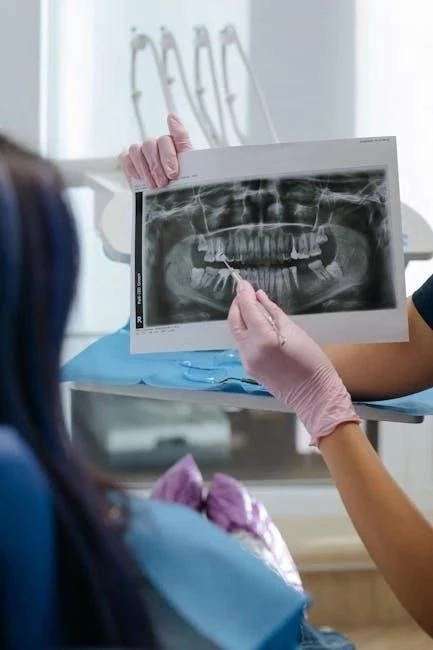
As a senior nurse who has spent years working with families across the five boroughs, I know how stressful it can be to watch a parent struggle with dental pain or the inability to eat properly. For many of our NYC neighbors, the cost of oral care is a significant burden that weighs heavily on the entire family’s emotional and financial health. I have walked many families through the maze of state benefits, and I understand that you just want your loved ones to smile and eat with dignity. In 2026, understanding the specifics of Medicaid dental coverage NYC 2026 is the first step in ensuring your family members receive the compassionate care they deserve.
Clinical Quick Answer
In 2026, NYC Medicaid provides full coverage for both complete and partial dentures when they are medically necessary to restore masticatory function or alleviate pain. While dental implants are generally excluded from standard coverage due to their high cost and the availability of alternative treatments, recent policy changes have expanded coverage for root canals and crowns to help seniors retain their natural teeth. Navigating these benefits requires working with a participating provider who can document the clinical necessity for prosthetics and ensure the senior also receives related essential services like Foot Care for Seniors.
Understanding Medicaid Dental Coverage NYC 2026
- New York State has historically offered one of the most comprehensive Medicaid dental programs in the country, and 2026 continues this trend with a focus on tooth retention.
- Coverage is primarily divided into preventive, restorative, and prosthetic services, all of which are designed to maintain the basic health and functionality of the mouth.
- The 2026 guidelines emphasize that dental health is a precursor to systemic health, meaning that issues like gum disease are treated aggressively to prevent complications like heart disease or worsening diabetes.
- Families should be aware that while the scope of coverage is broad, the administrative requirements for “prior authorization” remain a critical step for high-cost services.
- The program is specifically designed to support low-income seniors who would otherwise face total tooth loss and the subsequent nutritional decline that often follows.
Denture Coverage: Full, Partial, and Replacements
- Medicaid covers both “complete” dentures for those who have lost all their teeth and “partial” dentures for seniors who still have some healthy natural teeth remaining.
- The clinical requirement for dentures is focused on “functional necessity,” meaning the senior must have a demonstrated difficulty in eating or speaking without the prosthetic.
- Replacement dentures are generally covered once every eight years, but exceptions can be made if the shape of the senior’s jaw has changed significantly due to surgery or illness.
- Laboratory-processed relines and repairs are also covered benefits, ensuring that existing dentures remain comfortable and functional as the senior ages.
- It is essential to visit a dentist who specializes in geriatric care, as they are more familiar with the specific paperwork required by New York’s Medicaid reviewers.
The Status of Dental Implants in 2026
- Dental implants remain the “gold standard” for tooth replacement, but they are still categorized as an elective procedure by New York Medicaid in 2026.
- The state argues that because dentures are a functional and less expensive alternative, public funds should prioritize basic restoration for the largest number of people.
- Exceptions are extremely rare and usually involve cases where a senior has suffered a traumatic injury or has a medical condition that makes wearing traditional dentures impossible.
- If a family chooses to pay out-of-pocket for implants, they must ensure that the subsequent crowns placed on those implants are also handled outside of the Medicaid system.
- Advocacy groups continue to lobby for implant coverage for seniors with specific bone loss conditions, but for now, dentures remain the standard covered prosthetic.
Foot Care for Seniors: An Integrated Health Approach
- In 2026, Medicaid recognizes that Foot Care for Seniors is just as vital as dental care for maintaining the independence of NYC’s elderly population.
- Podiatry services are covered for seniors with systemic conditions like diabetes, which can lead to neuropathy and severe infections if the feet are not professionally monitored.
- Routine nail trimming and callus removal are covered when performed by a podiatrist for patients who cannot safely perform these tasks themselves due to physical or visual impairments.
- The connection between oral health and foot health is significant; for example, chronic oral infections can exacerbate the inflammatory markers that complicate diabetic foot ulcers.
- NYC seniors are encouraged to schedule their dental and podiatry exams in the same month to ensure a holistic view of their geriatric health is maintained.
Restorative Services: Root Canals and Crowns
- Recent legal updates have solidified the right of Medicaid recipients to receive root canals and crowns rather than being forced to choose extraction.
- In 2026, if a tooth has a good prognosis for long-term survival, Medicaid will cover the endodontic treatment (root canal) and the subsequent crown to protect the tooth.
- This change is crucial for seniors because keeping natural teeth helps preserve the jawbone structure and makes future denture fitting much easier if it eventually becomes necessary.
- Bridges, which replace a missing tooth by anchoring to adjacent teeth, are also covered under specific clinical conditions where a partial denture is not viable.
- The focus has shifted from “pulling and replacing” to “saving and strengthening,” which greatly improves the psychological well-veing of our senior patients.
Navigating the NYC Medicaid Dental System
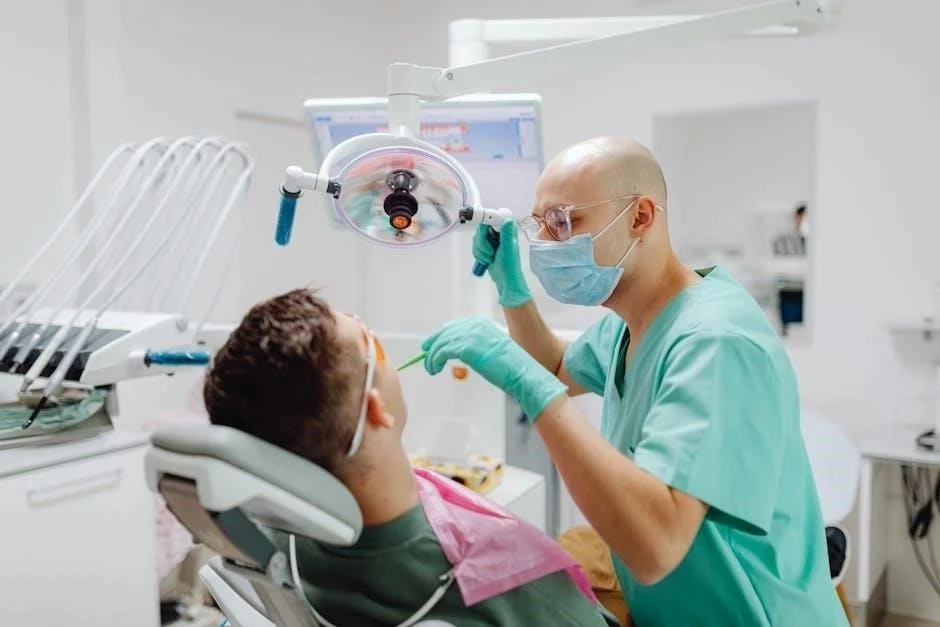
- Finding a provider is often the hardest part; families should use the official NY State DOH website to search for participating dentists in their specific ZIP code.
- Many dental schools in NYC, such as NYU and Columbia, accept Medicaid and provide high-quality care supervised by expert faculty, which can be a great resource for complex cases.
- Always bring a current list of medications to dental appointments, as many seniors take blood thinners or bone-density drugs that can affect dental surgery outcomes.
- Keep a folder of all “Notice of Decisions” received from Medicaid, as these documents are vital if you need to appeal a denial for a specific dental service.
- Remember that transportation assistance to and from dental appointments is a covered benefit for many NYC Medicaid recipients through the MAS (Medical Answering Services) system.
Nurse Insight: In my experience, the biggest challenge for NYC families isn’t just the coverage itself, but the wait times and the search for a patient provider. I always tell my families: don’t wait for your loved one to complain of pain. By the time an elderly parent says their tooth hurts, the infection might already be impacting their blood sugar or heart health. Be proactive—schedule the dental exam and the podiatry visit for Foot Care for Seniors together, and treat them as non-negotiable pillars of their health routine.
Frequently Asked Questions
Does NYC Medicaid cover the cost of cleaning dentures?
Medicaid covers professional cleanings and evaluations of the mouth, which includes checking the fit and cleanliness of dentures. However, daily cleaning supplies like effervescent tablets or specialized brushes are typically out-of-pocket costs or covered under certain over-the-counter (OTC) benefit cards provided by specific Managed Care plans.
What should I do if my parent’s dental claim is denied?
If a claim is denied, you have the right to a “Fair Hearing.” You should work with your dentist to provide additional clinical evidence, such as X-rays or a letter of medical necessity, to show why the specific treatment is essential for the patient’s health. Many denials are simply due to missing documentation.
Are there any age limits for Foot Care for Seniors under Medicaid?
There is no specific “age limit,” but the coverage is based on medical necessity. For seniors, this usually means having a condition like diabetes, circulatory issues, or a physical disability that prevents them from performing their own foot hygiene, which could lead to medical complications.
Can I choose a dentist outside of NYC for these services?
You must use a dentist who is enrolled in the New York State Medicaid program. While you can technically see a provider anywhere in New York State, if you are enrolled in a specific NYC Managed Care plan, you are usually restricted to their network of providers within the five boroughs and surrounding counties.
How long does it take to get approval for dentures in 2026?
The prior authorization process usually takes between 2 to 4 weeks. Once approved, the process of taking impressions, fittings, and final delivery of the dentures can take several more weeks. It is best to start the process early if you notice a senior’s current dentures are becoming loose or causing sores.
Contact ProLife Home Care NYC for a free clinical assessment:(718) 232 – 2777