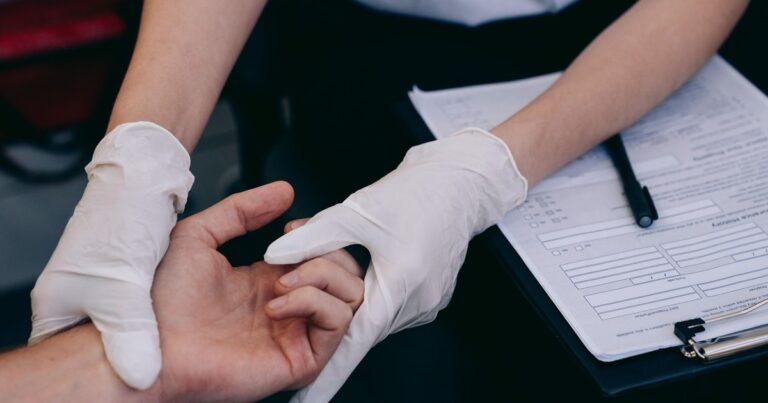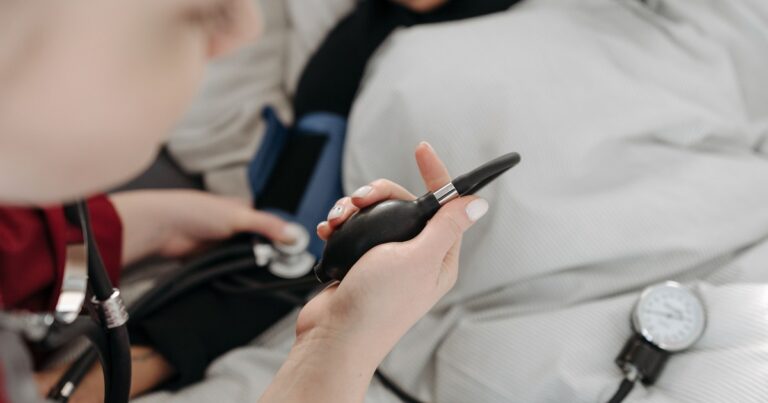
As a senior nurse serving the diverse communities of New York City, I understand that managing a complex medication regimen can feel overwhelming for patients and their families. In our bustling city, where patients often see multiple specialists across different healthcare networks, the risk of medication confusion is a very real daily concern. My goal is to ensure that your home remains a safe sanctuary by meticulously reviewing every tablet and tonic in your cabinet to prevent harmful errors. We are committed to providing the clarity and clinical oversight your loved ones deserve to live safely and independently at home.
Clinical Quick Answer
Professional RN medication reconciliation home care NYC provides a critical safety net by verifying that every medication a patient consumes is necessary, safe, and compatible with their total treatment plan. By identifying discrepancies such as drug duplications or contraindicated supplements, home care nurses directly reduce the likelihood of adverse drug events and hospital readmissions. This systematic approach is the foundation of Medication Safety NYC, ensuring that complex pharmacological protocols are executed accurately in the home environment.
The Process of RN Medication Reconciliation Home Care NYC
- Verification: The nurse collects a complete list of all medications the patient is currently taking, including those prescribed by specialists, dentists, and over-the-counter additions like vitamins or herbal teas common in NYC ethnic communities.
- Clarification: Ensuring that the dosages, frequencies, and administration methods are correct and match the physician’s most recent orders, especially after a recent discharge from a facility like Mount Sinai or NYU Langone.
- Reconciliation: Comparing the list against the medical record to identify discrepancies, such as medications that were supposed to be discontinued but are still being taken, or new medications that the patient has not yet filled.
- Physician Communication: If the nurse finds a potential interaction, they immediately contact the prescribing doctor to resolve the issue before a complication occurs.
- Documentation: Creating a finalized, easy-to-read medication log that is kept in the home for the patient, family, and any visiting therapists to reference.
- Disposal: Assisting the family in identifying and safely disposing of expired or discontinued medications to prevent accidental ingestion or confusion.
Enhancing Medication Safety NYC Through Polypharmacy Management
- Identifying Polypharmacy: Many NYC seniors take five or more medications daily, which exponentially increases the risk of side effects and dangerous drug-to-drug interactions.
- Analyzing Side Effects: A home care nurse monitors for subtle signs of toxicity or adverse reactions, such as dizziness, confusion, or sudden fatigue, which are often mistaken for general aging.
- Eliminating Redundancy: It is common for patients to receive the same drug under different brand names from two different doctors; the nurse identifies these ‘hidden’ duplicates.
- Nutritional Interactions: NYC nurses educate patients on how certain foods common in local diets—like grapefruit juice or leafy greens—might interfere with medications like statins or blood thinners.
- Alcohol and Substance Screening: Nurses tactfully assess the use of alcohol or other substances that could have life-threatening interactions with prescribed sedative or cardiac medications.
- Streamlining Schedules: By simplifying the timing of doses, the nurse reduces the cognitive burden on the patient, which naturally leads to better compliance and higher safety standards.
The Critical Role of Education in Home Medication Management
- Patient Empowerment: Nurses teach patients exactly why they are taking each pill, which increases the likelihood that the patient will adhere to the regimen and report problems.
- Family Training: Involving family caregivers is essential; the nurse trains them on how to use pill organizers and how to recognize the early signs of an allergic reaction.
- Instructional Materials: Providing large-print, color-coded, or translated medication schedules to accommodate NYC’s diverse linguistic needs, including Spanish, Russian, Chinese, and Bengali.
- Proper Administration Techniques: Teaching the correct way to use inhalers, insulin pens, or patches, as improper technique often leads to sub-therapeutic dosing or accidental overdose.
- Emergency Protocols: Educating the family on what to do if a dose is missed or if the patient accidentally takes a double dose, including when to call 911 versus the doctor.
- Pharmacy Coordination: Helping families navigate NYC’s pharmacy delivery services and ensuring they use a single pharmacy to maintain a consistent digital record of all prescriptions.
Navigating Transitions of Care in the New York Healthcare System
- Discharge Summary Review: The nurse acts as a detective, comparing the hospital’s discharge papers with the medications already present in the patient’s Brooklyn or Queens apartment.
- Bridging the Gap: The first 48 to 72 hours after leaving a hospital are the most dangerous for medication errors; the RN provides immediate intervention during this window.
- Specialist Alignment: Ensuring that the cardiologist’s orders do not conflict with the nephrologist’s orders, which is a frequent challenge in the fragmented NYC medical landscape.
- Medicaid and Insurance Advocacy: Working with the NY State DOH guidelines to ensure that all necessary medications are covered and accessible to the patient.
- Digital Health Integration: Utilizing home care software to update the patient’s record in real-time so that all members of the multidisciplinary team are on the same page.
- Follow-up Assessment: Continuous monitoring during subsequent visits to ensure that new prescriptions are being tolerated well and that the reconciliation remains accurate.
Barriers to Medication Safety in Urban Environments
- Pharmacy Deserts: Addressing challenges where patients in certain NYC neighborhoods may have difficulty accessing a 24-hour pharmacy or specialized compounding services.
- Cognitive Decline: Tailoring medication systems for patients with dementia or Alzheimer’s, often utilizing locked dispensers or nurse-led administration to ensure safety.
- Financial Constraints: Identifying when patients are ‘splitting pills’ or skipping doses due to the high cost of prescriptions and finding lower-cost alternatives through social work referrals.
- Health Literacy: Overcoming the complexities of medical jargon to ensure the patient truly understands their health requirements regardless of their educational background.
- Physical Limitations: Assisting patients with arthritis or vision loss who struggle to open child-proof caps or read small labels on medication bottles.
- Cultural Beliefs: Respectfully integrating traditional or cultural healing practices with Western medicine to ensure that herbal remedies do not cause silent internal bleeding or liver stress.
Tools and Technologies Used by NYC Home Care Nurses
- Electronic Medication Administration Records (eMAR): Using tablets to track every dose and interaction check during the home visit for 100% accuracy.
- Automated Pill Dispensers: Setting up smart devices that alert the patient when it is time to take their medicine and notify the nurse or family if a dose is missed.
- Telehealth Integration: Using video calls to perform secondary medication checks or to consult with a pharmacist in real-time while in the patient’s home.
- Medication Safety Apps: Recommending user-friendly smartphone apps that help NYC families track refills and set reminders for complex medication cycles.
- Color-Coded Organizing Systems: Implementing simple but effective physical tools to separate morning, noon, and evening doses to prevent confusion.
- Standardized Assessment Scales: Utilizing clinical tools like the Beers Criteria to identify potentially inappropriate medications for older adults.
Nurse Insight: In my experience, the most dangerous medication in an NYC home isn’t necessarily a potent narcotic; it is often the ‘old’ prescription from a year ago that a patient decides to start taking again for a new symptom. I always tell my families: if I didn’t verify it this week, don’t put it in your mouth. A ‘brown bag’ review is not just a one-time event; it is a continuous clinical habit that saves lives every single day in our city.
Frequently Asked Questions
How often should medication reconciliation be performed?
Reconciliation should be performed at every transition of care, such as after a hospital stay or a move from rehab back to home. Additionally, a home care nurse should review the medication list whenever a new drug is prescribed or if the patient’s health status changes significantly.
Can a nurse stop a medication if they see an interaction?
A nurse cannot unilaterally stop a prescribed medication, but they are trained to recognize dangerous interactions. In such cases, the nurse will hold the dose and immediately contact the prescribing physician to discuss the risks and obtain a formal order to discontinue or change the medication.
Is medication reconciliation different from a simple medication list?
Yes. A medication list is just a record. Reconciliation is a clinical process that involves comparing multiple lists, investigating discrepancies, and ensuring the final list is medically sound and safe for the patient’s specific health conditions.
What should I have ready for the nurse’s visit?
You should gather every single medication in the house—including those in the refrigerator, the nightstand, and the bathroom cabinet. Include all vitamins, herbal supplements, eye drops, and creams, as well as any recent discharge paperwork from the hospital.
Does this service help prevent falls?
Absolutely. Many falls in the elderly are caused by medication side effects such as orthostatic hypotension (a drop in blood pressure when standing) or sedation. By optimizing medications, the nurse directly reduces the risk of balance issues and subsequent falls.
Contact ProLife Home Care NYC for a free clinical assessment:(718) 232 – 2777