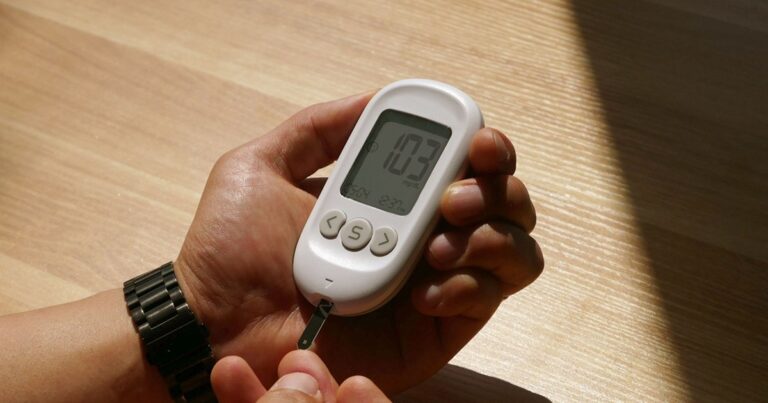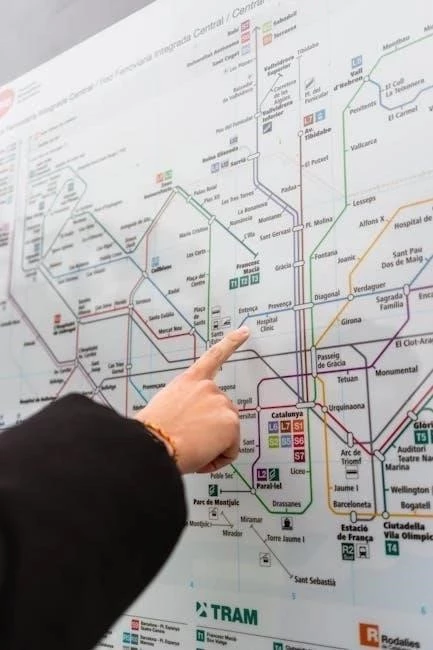
Navigating the complex world of chronic kidney disease is an emotional and physical journey that affects the entire family unit. As a senior nurse in the New York City healthcare system, I have seen firsthand how the stress of reaching a dialysis center on time can weigh heavily on caregivers and patients alike; Our goal is to ensure that your loved ones receive their life-sustaining treatments without the added burden of transportation logistics. By understanding the resources available for Medicaid transportation for dialysis NYC, you can focus more on healing and less on the commute.
Clinical Quick Answer
Reliable NYC Transportation for dialysis is managed through the Medical Answering Services (MAS) system, which coordinates non-emergency medical transport for Medicaid beneficiaries. To secure amburette services, a healthcare provider must submit a Form 2015 certifying that the patient cannot use public transit due to physical or cognitive limitations. Once approved, patients can establish standing orders for recurring three-times-a-week appointments to ensure consistent access to care.
Understanding Medical Necessity for Amburette Services
- Physical Exhaustion: Dialysis treatment often leaves patients profoundly fatigued, making the navigation of NYC subways or buses unsafe and physically impossible.
- Mobility Impairments: Many kidney patients suffer from peripheral neuropathy or edema, requiring the use of wheelchairs or walkers that necessitate a vehicle with a lift or ramp.
- Clinical Stability: Patients may experience sudden drops in blood pressure (hypotension) post-dialysis, requiring a higher level of supervision during transport than a standard taxi provides.
- Door-to-Door Assistance: Unlike standard NYC Transportation options, amburette drivers are trained to assist patients from their front door into the vehicle and safely into the clinical suite.
- Cognitive Safety: For elderly patients with comorbid conditions like dementia, specialized transport ensures they are never left unattended during the transition between home and the clinic.
Navigating the Medicaid Transportation for Dialysis NYC System
- The MAS Gateway: All Medicaid-funded trips in the five boroughs are centralized through Medical Answering Services (MAS), the state-contracted manager for non-emergency transport.
- The 2015 Form: This is the most critical document; it is a physician’s order that justifies why a patient requires an amburette rather than a public bus or a livery cab.
- County-Specific Rules: While the system is statewide, NYC Transportation for dialysis involves specific vendor pools that serve Brooklyn, Queens, Manhattan, the Bronx, and Staten Island.
- Coverage Verification: Before booking, the facility must ensure the patient has active “straight” Medicaid or a managed care plan that coordinates through the MAS system.
- Standing Orders: For chronic conditions like End-State Renal Disease (ESRD), MAS allows for “standing orders,” which automate the scheduling for the standard Monday-Wednesday-Friday or Tuesday-Thursday-Saturday rotations.
The Role of the Dialysis Social Worker in NYC Transportation
- Initial Assessment: Upon starting dialysis, the social worker evaluates the patient’s home environment and mobility to determine the appropriate mode of NYC Transportation.
- Form Submission: Social workers act as the bridge between the nephrologist and MAS, ensuring that medical justification forms are filled out accurately to prevent denials.
- Vendor Troubleshooting: If a specific amburette company is consistently late or provides poor service, the social worker can file formal complaints and request a change of vendor.
- Emergency Coordination: In cases of snowstorms or citywide emergencies, social workers coordinate with the Office of Emergency Management to ensure dialysis transport continues.
- Patient Advocacy: They help families understand their rights, such as the right to a clean vehicle and a professional driver who adheres to safety protocols.
Types of Vehicles in the NYC Medicaid Transport Network
- Ambulettes (Amburettes): These are vans equipped with wheelchair lifts or ramps; they are the gold standard for patients who cannot pivot into a standard car seat.
- Livery/Taxi Services: Used for patients who are “ambulatory,” meaning they can walk to the curb and enter a standard vehicle without physical assistance.
- Stretcher Vans: For patients who are bedbound and cannot sit upright in a wheelchair, specialized stretcher transport can be arranged with high-level medical justification.
- Bariatric Transport: Specialized vehicles with wider lifts and reinforced structures are available for patients requiring bariatric support.
- Public Transit Reimbursement: In some cases, Medicaid may reimburse the cost of MetroCards for patients or escorts if the patient is physically able to use the MTA.
Ensuring Reliability: Tips for NYC Patients and Caregivers
- The 15-Minute Rule: Always be ready at least 15 minutes before your scheduled pickup window to ensure the driver does not mark the trip as a “no-show.”
- Direct Communication: Keep the phone number of the specific amburette company and the MAS dispatcher (1-800-850-5340 for NYC) programmed into your phone.
- Confirming the “Return” Trip: After treatment, the dialysis center staff usually calls for the return ride; ensure you know the “will-call” procedure for your specific facility.
- Documentation: Keep a log of pickup and drop-off times; this data is vital if you need to escalate a complaint about a vendor’s reliability.
- Winter Preparedness: During NYC winters, ensure pathways and ramps at home are cleared of snow, as drivers may refuse pickup if the environment is unsafe for a wheelchair.
Legal and Regulatory Oversights of NYS Medicaid Transport
- Department of Health (DOH) Oversight: The NY State DOH sets the standards for vehicle inspections, driver background checks, and insurance requirements.
- Patient Rights: Patients have the right to be transported in a vehicle that is smoke-free, climate-controlled, and operated by a driver who follows all traffic laws.
- Anti-Discrimination: Medicaid transport providers cannot refuse a patient based on their weight, the complexity of their medical condition, or the location of their residence within the five boroughs.
- Complaint Process: Every patient has the right to file a grievance through the MAS website or the DOH if the service falls below clinical safety standards.
- Fraud Prevention: Medicaid strictly monitors trips to ensure that transportation is only used for legitimate medical appointments; using the service for grocery shopping or social visits is strictly prohibited.
Nurse Insight: In my experience, the first two weeks of dialysis are the most chaotic for transportation. I always tell families to have a “Plan B” (like a local car service number or a family member on standby) just for those first few sessions while the MAS standing order is being processed. Once the routine is established and you build a rapport with your regular driver, the stress levels drop significantly. Advocacy is key—don’t be afraid to speak up if a vehicle doesn’t look safe!
Frequently Asked Questions
What is the MAS phone number for NYC Medicaid transportation?
For residents in the five boroughs of NYC, the Medical Answering Services (MAS) number is 1-800-850-5340. This line is used for booking, checking ride status, and filing complaints.
Can I choose a specific amburette company for my dialysis trips?
While MAS assigns vendors based on availability and logic, you can request a specific provider if they are in the Medicaid network. If you have a preferred company that has provided excellent service, inform your social worker so they can note it on your transportation profile.
Does Medicaid cover transportation to the pharmacy after dialysis?
Generally, Medicaid only covers transport to and from the medical provider’s location. However, many dialysis centers have in-house pharmacies or work with delivery services. A separate trip to a standalone pharmacy usually requires a separate medical justification.

What happens if I miss my scheduled Medicaid transport?
If you miss your ride, you must call MAS immediately to see if they can dispatch a “rescue” vehicle. Frequent no-shows can lead to a review of your eligibility and may require your doctor to re-certify your need for the service.
Are drivers allowed to help me up the stairs in my house?
Most amburette services are “curb-to-curb” or “door-to-door.” Drivers are generally not permitted to enter a private residence or carry patients up stairs due to liability and safety regulations. If you have “stairs-assistance” needs, this must be specifically noted and approved in your medical necessity form.
Contact ProLife Home Care NYC for a free clinical assessment:(718) 232 – 2777