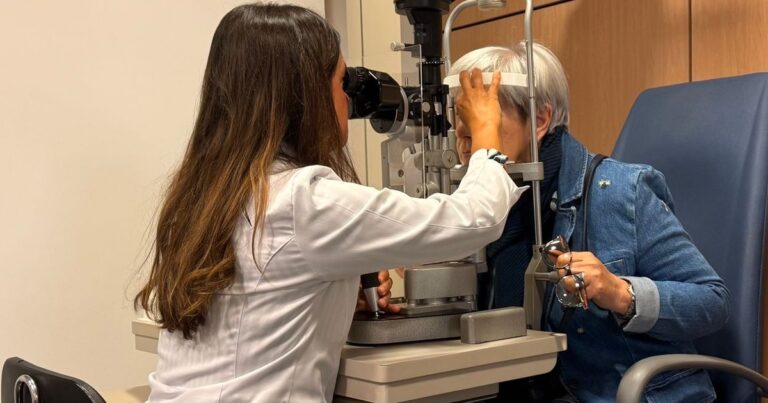

Caring for our elders is a sacred duty, especially when they have traveled so far to be with us in their later years. In New York, we believe that every senior deserves to age with dignity in the comfort of their own home, regardless of where they were born. I have helped countless families navigate the complex web of immigrant healthcare to ensure their loved ones receive the professional support they need. It is my mission to help you understand that help is available for your parents and grandparents right here in New York City.
Clinical Quick Answer
Yes, most NYC seniors can access home care through Medicaid regardless of their immigration status, thanks to New York’s inclusive PRUCOL and expanded age-based eligibility rules. Medicaid eligibility for immigrant seniors NY depends on meeting specific residency and financial requirements, often involving the use of a NYS Pooled Trust to protect surplus income. Through Managed Long Term Care (MLTC) plans, eligible seniors can receive personal care assistants, nursing, and physical therapy directly in their homes.
Understanding PRUCOL and Medicaid Eligibility for Immigrant Seniors NY
The term PRUCOL stands for Permanently Residing Under Color of Law. It is vital to understand that PRUCOL is not an official immigration status like ‘Permanent Resident’ or ‘Refugee.’ Instead, it is a public benefits category. In New York, the Department of Health recognizes that if the federal government is aware of an individual’s presence and does not intend to deport them, that individual should have access to life-saving healthcare and long-term supports.

- Defining PRUCOL: This category includes individuals with pending asylum applications, those granted ‘Stay of Deportation,’ and people with U-visas or T-visas.
- The NY Difference: Unlike many other states, New York uses state funds to provide full Medicaid coverage to PRUCOL individuals who would otherwise be ineligible for federal Medicaid.
- Expanded Eligibility: As of January 2024, New York has further expanded coverage, allowing seniors aged 65 and older to access full Medicaid benefits regardless of their immigration status, provided they meet income and residency requirements.
- Proof of Status: Applicants must provide documentation showing they are known to USCIS, such as an I-797 Notice of Action or a letter from an attorney stating a petition is pending.
- Residency Requirement: To qualify for NYC Medicaid, the senior must prove they currently reside within one of the five boroughs of New York City.
Financial Qualifications and the Role of the NYS Pooled Trust
To qualify for Medicaid-funded home care, a senior must meet strict financial criteria. Medicaid is a means-tested program, meaning it is designed for those with limited income and assets. However, many seniors find themselves in a ‘gap’ where their Social Security or pension is slightly too high for Medicaid, but not high enough to pay for $5,000+ a month in private home care costs. This is where the NYS Pooled Trust becomes a vital tool.
- Income Limits (2024): For a single individual, the monthly income limit is approximately $1,732. For a couple, it is roughly $2,351.
- Asset Limits (2024): The countable asset limit for a single individual is $31,175, while for a couple it is $42,312.
- Surplus Income (Spend-Down): If a senior’s income exceeds the limit, they are assigned a ‘spend-down’ or surplus. This is the amount they must ‘spend’ on medical care before Medicaid starts paying.
- NYS Pooled Trust Benefits: By joining a NYS Pooled Trust, a senior can deposit their monthly surplus into the trust. The trust then pays the senior’s household bills (rent, utilities, groceries) using that money.
- Eligibility Preservation: Using a pooled trust allows the senior to qualify for Medicaid immediately while still using their income to maintain their quality of life.
The Path to Home Care: MLTC and the Clinical Assessment
Once Medicaid is active, the next step for an immigrant senior is enrolling in a Managed Long Term Care (MLTC) plan. This is the mechanism New York uses to deliver home care services. The process is clinical and requires a formal assessment of the senior’s physical and cognitive needs to determine how many hours of care they require each day.
- The NYIA Assessment: The New York Independent Assessor (NYIA) conducts a two-part evaluation involving a nurse and a clinician to determine medical necessity.
- Activities of Daily Living (ADLs): The assessment focuses on tasks the senior cannot do alone, such as bathing, dressing, walking, or preparing meals.
- Developing a Care Plan: Based on the assessment, the MLTC plan assigns a specific number of home care hours per week.
- Choosing an Agency: Families can choose a home care agency that employs aides who speak the senior’s native language, ensuring cultural and linguistic comfort.
- CDPAP Option: The Consumer Directed Personal Assistance Program (CDPAP) allows the senior to hire a family member or friend to act as their caregiver, and Medicaid will pay that person a wage.
Required Documentation for Immigrant Seniors
Gathering documentation is often the most stressful part of the application process for immigrant families. Because Medicaid for long-term care is comprehensive, the state requires proof of identity, status, and every penny of financial movement. I always advise families to start a dedicated folder as early as possible to avoid delays in the application.
- Identification: Passports, birth certificates, and foreign consular IDs are standard requirements.
- Immigration Paperwork: Copies of Green Cards, I-94 forms, or any correspondence with USCIS (for PRUCOL applicants).
- Financial Records: Bank statements for the last three months (though a 5-year ‘look-back’ period applies for nursing home care, it is currently not enforced for community-based home care in NY).
- Proof of Income: Award letters for Social Security, foreign pensions, or statements from family members if they provide financial support.
- Residence Verification: Utility bills, lease agreements, or a ‘Letter of Support’ if the senior lives with their children.
Overcoming Language Barriers and Legal Concerns
Many immigrant seniors hesitate to apply for Medicaid due to language barriers or fear of the ‘Public Charge’ rule. It is important to know that New York City provides significant protections and resources to ensure that language is never a barrier to healthcare access. Furthermore, the legal landscape regarding immigration and benefits has stabilized significantly in favor of the applicant.
- Language Access: NYC hospitals and Medicaid offices are required by law to provide free interpretation services. Many MLTC plans specifically recruit bilingual staff.
- Public Charge Myth: For most immigrant seniors, receiving Medicaid for home care (community-based long-term care) does not make them a ‘Public Charge’ and will not negatively impact their path to citizenship;
- Free Legal Help: Organizations like the Legal Aid Society or local community centers offer free consultations to help families understand their rights.
- Privacy Protections: Information shared with the Medicaid office is used only for determining eligibility and is not shared with ICE for enforcement purposes.
- Advocacy: If an application is denied, seniors have the right to a ‘Fair Hearing’ where they can present their case before an administrative law judge.
The Future of Care: Ensuring Continuity for Immigrant Families
Securing Medicaid and home care is not just about medical support; it is about keeping families together. When a senior receives an aide at home, it relieves the immense pressure on adult children who are often balancing work and their own families. New York’s commitment to inclusive care ensures that our city remains a place where all residents, regardless of their origin, can age with grace.
- Health Outcomes: Seniors with consistent home care have lower rates of hospitalization and fewer falls.
- Emotional Well-being: Staying in a familiar environment with family prevents the depression often associated with institutionalization.
- Social Integration: Home care aides often provide companionship, helping seniors stay connected to their local immigrant communities.
- Resource Linkage: Once on Medicaid, seniors can also access other benefits like SNAP (food stamps) and transportation assistance to medical appointments.
- Contacting Professionals: For more official guidance, families should always visit the NY State DOH website for the most current policy updates.
Nurse Insight: In my experience, the biggest hurdle for immigrant families is the fear that ‘the system isn’t for them.’ I want to tell you directly: New York has built these programs specifically to help your parents. Don’t let the complex paperwork stop you. If your parent has a high income, the NYS Pooled Trust is a miracle worker—it effectively ‘erases’ the income barrier so they can get the care they need while still paying their rent. Start the process today, because the assessment waitlists can be long!
Frequently Asked Questions
Can my mother get home care if she only has a pending asylum case?
Yes. A pending asylum case qualifies her for PRUCOL status in New York State. This makes her eligible for full Medicaid benefits, including Managed Long Term Care (MLTC), provided she meets the financial requirements.
Does the 5-year look-back period apply to immigrant seniors?
The 5-year look-back period for Medicaid is currently only for institutional nursing home care. For community-based home care (care in your own apartment), New York has repeatedly delayed the implementation of a look-back period. Currently, there is no look-back for home care services in NY.
How much does it cost to join a NYS Pooled Trust?
Most pooled trusts charge an initial enrollment fee (usually between $200-$500) and a monthly administrative fee (around $20-$50). While this seems like an extra cost, it is significantly cheaper than paying for home care out-of-pocket or losing Medicaid eligibility.
What if my father doesn’t speak English? How will he do the assessment?
The New York Independent Assessor (NYIA) is required to provide a translator in your father’s native language for the clinical assessment. You or another family member should also be present to help advocate for his needs and ensure nothing is lost in translation.
If my parents live with me, does my income count toward their Medicaid limit?
No. For seniors (65+), Medicaid only counts the income and assets of the applicant and their spouse. The income of adult children or other family members living in the household is not counted when determining a senior’s Medicaid eligibility.
Contact ProLife Home Care NYC for a free clinical assessment:(718) 232 – 2777