Navigating the complexities of aging for a loved one is one of the most emotional journeys a family in Gravesend, Brooklyn, will ever take. As a Senior NYC Nurse, I have seen firsthand how the right care plan can transform a senior’s quality of life and provide the family with much-needed peace of mind. Our community is rich in history and tradition, and ensuring our elders can live with dignity in their preferred environment is my highest priority. This guide is designed to help you weigh your options with clinical clarity and heartfelt compassion.
Clinical Quick Answer
The choice between Home Care vs Nursing Home depends primarily on the senior’s level of medical stability and the availability of local elderly support in Gravesend, Brooklyn. Home care provides a personalized, one-on-one approach that promotes independence in a familiar setting, whereas nursing homes offer 24/7 institutional medical oversight for those with advanced clinical needs. For many families, home-based services are the preferred clinical starting point to avoid the trauma of relocation and social isolation.
Understanding Elderly Support in Gravesend, Brooklyn
Gravesend is a unique neighborhood with a diverse population of seniors who often have deep roots in the community. When searching for elderly support Gravesend Brooklyn, families must consider the local infrastructure, including proximity to hospitals like Coney Island Hospital (NYC Health + Hospitals/South Brooklyn Health) and accessibility to specialized clinics. The goal of local support is to integrate medical care with the senior’s social environment.
- Access to localized pharmacy delivery services along 86th Street and Avenue U.
- Proximity to specialized geriatric primary care providers within the Brooklyn medical network.
- Availability of community-based social programs that prevent senior isolation.
- In-home safety assessments specifically tailored to the architectural styles of Gravesend homes, such as narrow hallways or multi-story walk-ups.
- Culturally competent care that respects the linguistic and dietary needs of the local Jewish, Italian, and Asian communities.
Home Care vs Nursing Home: The Clinical Comparison
The debate of Home Care vs Nursing Home is not just about cost; it is about the clinical ‘fit’ for the patient’s current health trajectory. Home care is increasingly becoming the gold standard for those who wish to remain active in their community while receiving assistance with Activities of Daily Living (ADLs). In contrast, nursing homes are designed for patients who require constant monitoring and immediate medical intervention that a home environment cannot safely provide.
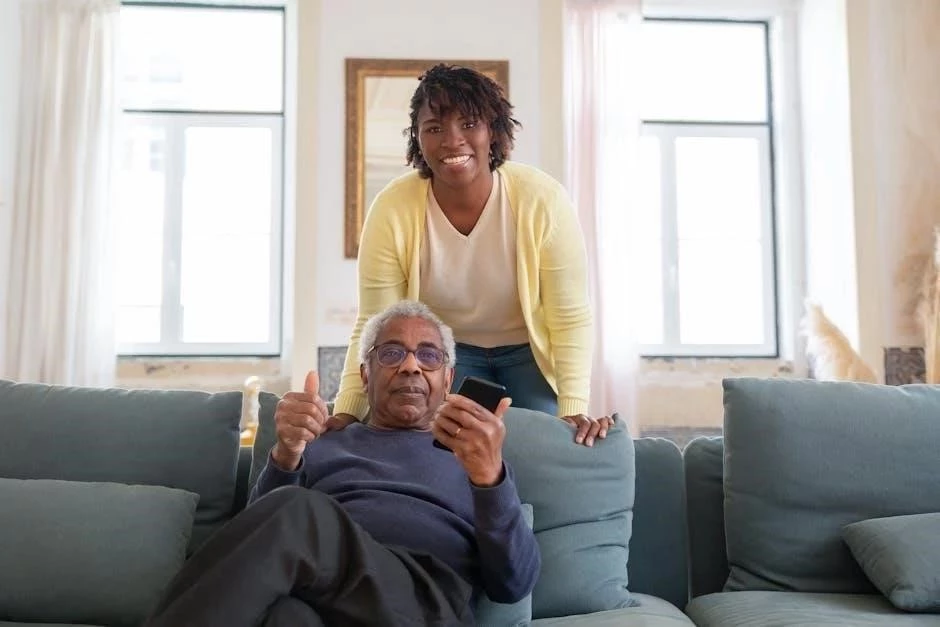
- Environment: Home care offers the psychological benefit of a familiar setting, which is critical for patients with early-stage dementia.
- Ratio of Care: Home health aides provide one-on-one attention, whereas nursing home staff must divide their time among dozens of residents.
- Infection Control: Home environments typically present a lower risk of healthcare-associated infections (HAIs) compared to communal living facilities.
- Medical Oversight: Nursing homes provide 24/7 on-site nursing and physician access, which is necessary for complex wound care or advanced respiratory support;
- Rehabilitation: Both settings offer physical and occupational therapy, but home care focuses on ‘real-world’ mobility within the patient’s own living space.
The Benefits of Home Health Care Services
Home health care is a broad spectrum that ranges from companion care to skilled nursing. For a senior in Gravesend, this might mean having a Home Health Aide (HHA) assist with morning routines or a Registered Nurse (RN) managing a complex medication regimen. The flexibility of home care allows for a plan that evolves as the patient’s needs change, preventing unnecessary hospitalizations through proactive monitoring.
- Medication management and reconciliation to prevent adverse drug interactions.
- Assistance with bathing, dressing, and grooming, which maintains personal dignity and skin integrity.
- Nutritional support, including meal preparation that adheres to specific diabetic or cardiac diets.
- Fall prevention strategies, such as installing grab bars and removing trip hazards, which are essential for Brooklyn’s older housing stock.
- Emotional and cognitive stimulation through companionship, which significantly reduces the risk of depression in the elderly.
When a Nursing Home Becomes Necessary
Despite the desire to stay home, there are clinical ‘red lines’ where a nursing home or skilled nursing facility (SNF) becomes the safer option. If a senior’s medical needs exceed what can be managed by a home health aide or a visiting nurse, a residential facility offers a controlled environment with specialized equipment and round-the-clock staffing. This is often the case for those with advanced neurological conditions or those requiring intensive post-surgical rehabilitation.
- Advanced Memory Care: Locked units for those with severe wandering tendencies or aggressive behavioral symptoms of Alzheimer’s.
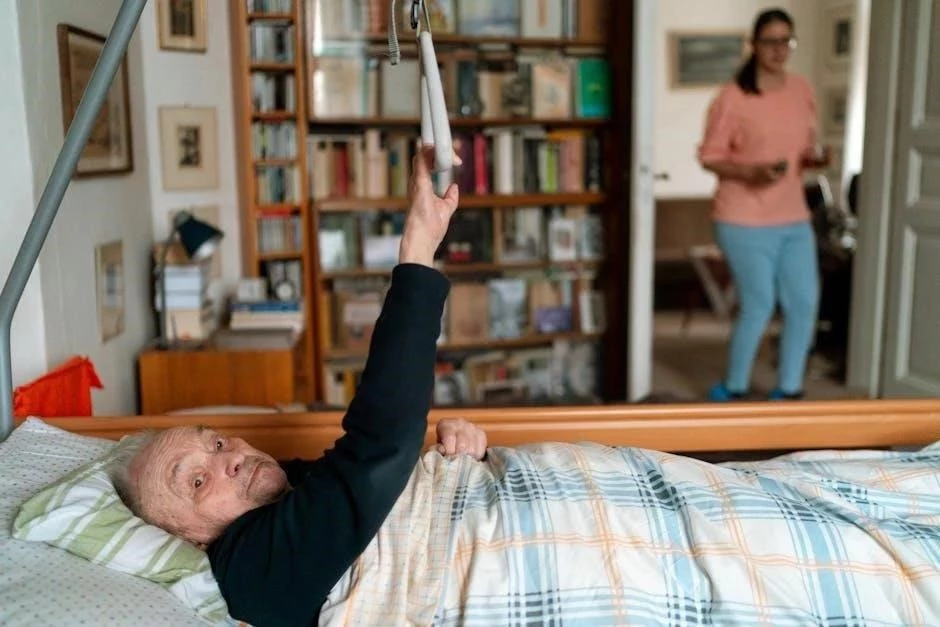
- Total Dependence: Patients who are bedbound and require two-person transfers or mechanical lifts for all movements.
- Complex Clinical Needs: Requirement for daily IV medications, frequent suctioning, or complex ventilator management.
- Social and Recreational Structure: Scheduled activities and group dining that can benefit some seniors who have become dangerously isolated at home.
- Respite for Caregivers: When family burnout reaches a point where the safety of both the caregiver and the senior is at risk.
Navigating NY State Medicaid and Financial Options
The cost of elderly support in Gravesend Brooklyn can be significant, but New York State offers robust programs to help. Understanding the difference between Medicare (which focuses on short-term recovery) and Medicaid (which covers long-term care) is essential. Most families utilize Managed Long-Term Care (MLTC) plans to coordinate their home-based services and ensure that the financial burden does not fall entirely on the family’s shoulders.
- MLTC Plans: Private insurance companies contracted by NY State to manage Medicaid long-term care services.
- CDPAP: The Consumer Directed Personal Assistance Program, which allows the senior to choose their own caregiver, including family members.
- Pooled Trusts: A financial tool used by those who have income above the Medicaid limit but still need to qualify for services.
- Private Pay: An option for families who do not meet Medicaid requirements and wish to have total control over the hiring of caregivers.
- Veterans Benefits: Aid and Attendance benefits can often be used to supplement the cost of home care for eligible veterans and their spouses.
For more official information on state programs, visit the NY State DOH website.
Steps to Choosing the Right Care Path
Making a decision requires a systematic assessment of the senior’s physical, cognitive, and social needs. I always recommend that families start by consulting with their primary care physician and then seeking a professional geriatric care assessment. In Gravesend, where families are often closely involved, having a transparent meeting with all stakeholders can help align goals and reduce future conflict.
- Conduct a Professional Home Safety Evaluation: Identify every potential hazard before an accident occurs.
- Review Medical Documentation: Understand the frequency of nursing interventions required to manage chronic conditions.
- Assess the Primary Caregiver’s Health: If a spouse or child is providing the bulk of the care, their physical and mental health must be factored into the long-term plan.
- Interview Multiple Agencies: When choosing home care, ask about staff training, backup plans for aide absences, and cultural sensitivity.
- Visit Facilities: If considering a nursing home, visit at different times of the day to observe staff interactions and cleanliness.
Nurse Insight: In my experience, the ‘right’ choice is rarely permanent. Many families in Gravesend find success starting with home care and gradually increasing support as the clinical picture changes. The key is to be proactive rather than reactive. Don’t wait for a fall or a hospital emergency to start researching Home Care vs Nursing Home options; the best decisions are made when you have the luxury of time and information.
Frequently Asked Questions
Is home care cheaper than a nursing home in Brooklyn?
Generally, home care is more cost-effective for seniors who require part-time or even full-time daily assistance compared to the high overhead of a residential nursing facility. However, for 24/7 skilled clinical supervision, costs can equalize. New York’s Medicaid programs often cover these costs for eligible residents through MLTC plans.
How do I apply for Medicaid for elderly support in Gravesend?
Residents can apply through the New York City Human Resources Administration (HRA) or work with a Managed Long-Term Care (MLTC) plan. Given the complexity of asset limits and the ‘look-back’ period, consulting with a Medicaid specialist is highly recommended for families in Gravesend.
What is the main difference between Home Care vs Nursing Home settings?
The primary difference lies in the environment and intensity of medical supervision. Home care allows the senior to ‘age in place’ with personalized one-on-one attention, while a nursing home provides a controlled, institutional environment with 24/7 clinical staff on-site for those with high medical fragility.
Does Medicare cover long-term home health aides?
Medicare typically only covers short-term, intermittent home health services following a hospital stay for rehabilitation. It does not cover long-term, daily custodial care (help with bathing, dressing, etc.). For long-term elderly support in Gravesend, Medicaid or private pay are the primary options.
Can I get a family member paid to provide care in New York?
Yes, through the Consumer Directed Personal Assistance Program (CDPAP), Medicaid-eligible seniors can hire family members or friends as their caregivers. This is a popular option in Gravesend for maintaining cultural and linguistic comfort within the household.
Contact ProLife Home Care NYC for a free clinical assessment:(718) 232 – 2777