{
“@context”: “https://schema.org”,
“@type”: “FAQPage”,
“mainEntity”: [
{ “@type”: “Question”,
“name”: “How do I schedule a Nursing Evaluation for elderly care in East New York?”,
“acceptedAnswer”: {
“@type”: “Answer”,
“text”: “To schedule a Nursing Evaluation, you can contact a licensed home health care agency or your local Medicaid office. A registered nurse will visit the home to assess the senior’s physical, cognitive, and functional needs to determine the appropriate level of care and hours required.”
}
},
{
“@type”: “Question”,
“name”: “What is the difference between CDPAP and traditional elderly care in East New York?”,
“acceptedAnswer”: {
“@type”: “Answer”,
“text”: “The Consumer Directed Personal Assistance Program (CDPAP) allows the senior to hire their own caregivers, including family members or friends, whereas traditional home care involves the agency assigning a certified home health aide (HHA) to the patient.”
}
},
{
“@type”: “Question”,
“name”: “Does Medicaid cover home nursing services in Brooklyn?”,
“acceptedAnswer”: {
“@type”: “Answer”,
“text”: “Yes, Medicaid covers community-based long-term care services for eligible residents, including nursing visits and personal care aides. The specific amount of coverage depends on the results of the official NY State Nursing Evaluation.”
}
},
{
“@type”: “Question”,
“name”: “What specific medical conditions qualify for skilled nursing support?”,
“acceptedAnswer”: {
“@type”: “Answer”,
“text”: “Conditions such as advanced diabetes requiring insulin injections, chronic wound care, post-surgical recovery, and complex medication management for cardiovascular disease often qualify for skilled nursing oversight in the home setting.”
}
},
{
“@type”: “Question”,
“name”: “Can I receive help with elderly care if my income is slightly above the Medicaid limit?”,
“acceptedAnswer”: {
“@type”: “Answer”,
“text”: “Yes, many seniors in East New York utilize a Pooled Income Trust to become eligible for Medicaid home care services even if their monthly income exceeds the standard limits. This allows the excess income to be used for living expenses while maintaining benefits.”
}
} ]
}
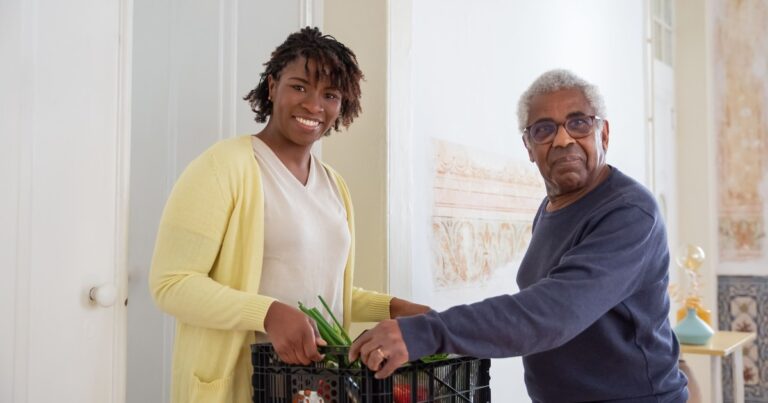
Navigating the complexities of aging is a journey that no family in our Brooklyn community should have to walk alone. As a senior nurse with years of experience in the local healthcare landscape, I have seen firsthand how the right support system can transform the safety and happiness of a household. Caring for a parent or grandparent involves more than just medical tasks; it is about preserving their dignity and connection to the East New York neighborhood they love. Our commitment is to provide the clinical expertise and emotional empathy required to ensure your loved ones remain thriving and secure in their own homes.
Clinical Quick Answer
Elderly care in East New York centers on a comprehensive Nursing Evaluation that identifies specific functional limitations and clinical needs to establish a personalized plan of care. These services typically integrate skilled nursing for medical management with certified home health aides for daily living assistance, ensuring a holistic approach to home-based recovery and maintenance. By leveraging New York State Medicaid programs, families can access professional oversight that prevents unnecessary hospitalizations and supports long-term independence.
The Critical Role of a Nursing Evaluation in Home Care
The foundation of any successful home care arrangement is the initial Nursing Evaluation. This is not merely a cursory check-up but a deep clinical dive into the patient’s health status, environment, and social support network. In the context of elderly care East New York, this evaluation is performed by a Registered Nurse (RN) who uses the Uniform Assessment System (UAS) to determine the patient’s eligibility for Managed Long-Term Care (MLTC) programs.
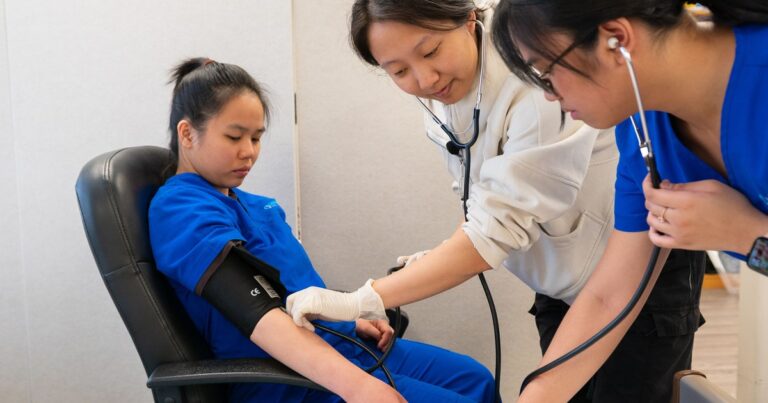
- Physical Assessment: Checking vital signs, mobility levels, and the presence of chronic conditions like hypertension or diabetes, which are prevalent in the Brooklyn community.
- Cognitive Screening: Assessing memory, orientation, and decision-making capabilities to ensure the patient can safely remain at home.
- Environmental Safety: Identifying fall risks in the home, such as loose rugs, poor lighting, or bathroom hazards that could lead to injury.
- ADL and IADL Review: Determining how much help the individual needs with Activities of Daily Living (bathing, dressing) and Instrumental Activities of Daily Living (meal prep, shopping).
- Medication Review: Ensuring there are no dangerous drug interactions and that the patient has a reliable system for adherence.
Understanding Elderly Care East New York Services
East New York is a vibrant community with specific healthcare needs and challenges. Providing elderly care in this region requires a localized approach that understands the socio-economic factors and the availability of local resources like Brookdale University Hospital or community clinics. Community-based support means bringing the hospital-grade care to the living room, allowing seniors to avoid the trauma of institutionalization.
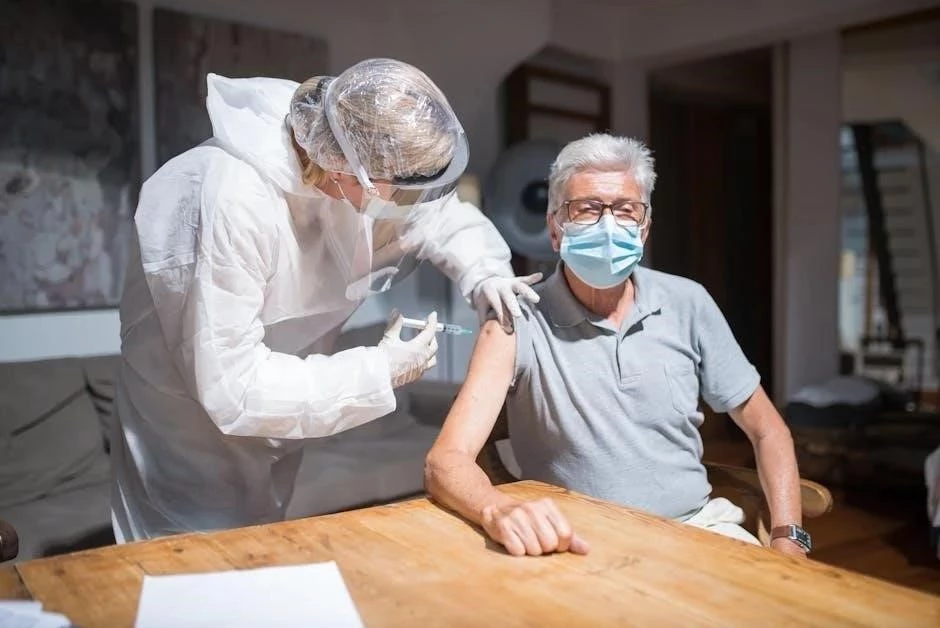
- Skilled Nursing: Direct medical intervention provided by RNs or LPNs, including wound care, catheter management, and IV therapy.
- Personal Care Aides (PCA): Non-medical support focused on hygiene, grooming, and light housekeeping to maintain a sanitary living environment.
- Home Health Aides (HHA): Certified professionals who provide more hands-on care than a PCA, often assisting with transfers and simple medical tasks under nurse supervision.
- Therapeutic Services: Coordination with physical and occupational therapists to improve the patient’s strength and functional independence.
- Social Work Support: Assisting families with the administrative burden of Medicaid applications and finding local food or housing assistance.

Navigating the Medicaid and MLTC Landscape in NYC
For many families in East New York, the financial aspect of elderly care is a primary concern. New York State offers robust programs, but the paperwork can be daunting. Accessing care usually involves enrolling in a Managed Long-Term Care (MLTC) plan, which coordinates the services determined during the Nursing Evaluation.
- Medicaid Eligibility: Understanding the income and asset limits required to qualify for community-based long-term care.
- The CDPAP Alternative: The Consumer Directed Personal Assistance Program allows seniors to choose their own caregivers, providing more control and cultural comfort.
- Pooled Income Trusts: A legal mechanism for those whose income is too high for Medicaid but who still require financial assistance for home care.
- Plan Selection: Choosing an MLTC provider that has a strong network of doctors and pharmacies within the Brooklyn area.
- Annual Re-assessments: The requirement for yearly nursing evaluations to ensure the level of care still matches the patient’s evolving needs.
Managing Chronic Conditions through Community Nursing
Chronic disease management is at the heart of elderly care. In East New York, high rates of heart disease and respiratory issues necessitate proactive monitoring. A Nursing Evaluation will often result in a care plan that prioritizes the stabilization of these conditions to prevent emergency room visits.
- Hypertension Monitoring: Regular blood pressure checks and dietary counseling to manage the “silent killer” in the aging population.
- Diabetes Oversight: Specialized care for foot health, glucose monitoring, and insulin administration to prevent complications like neuropathy or vision loss.
- Congestive Heart Failure (CHF) Care: Monitoring for fluid retention and ensuring patients follow low-sodium diets and medication schedules.
- COPD and Respiratory Support: Assisting with oxygen therapy and nebulizer treatments while educating families on trigger avoidance.
- Dementia and Alzheimer’s Care: Implementing safety protocols and routine-based care to reduce agitation and improve the quality of life for cognitively impaired seniors.
The Importance of Cultural Competence in Aide Support
East New York is home to a diverse population, including many Caribbean, African American, and Hispanic families. Effective elderly care must be culturally competent, respecting the traditions, languages, and dietary preferences of the residents. When a Nursing Evaluation is conducted, the nurse takes these factors into account to ensure the assigned aide is a good fit for the household.
- Language Access: Ensuring that caregivers can communicate effectively in the patient’s primary language, whether it be English, Spanish, or Haitian Creole.
- Dietary Sensitivity: Respecting cultural food preferences while still adhering to medically necessary dietary restrictions.
- Religious Observance: Coordinating care schedules to allow for prayer, rest days, or religious holidays important to the family.
- Community Integration: Encouraging seniors to remain active in local senior centers and community gardens in the East New York area.
- Family-Centered Care: Recognizing that in many local cultures, the family is the primary decision-maker and must be included in every step of the nursing process.
Transitioning from Hospital to Home in East New York
The period immediately following a hospital discharge is the most vulnerable time for a senior. Community-based nursing provides the “bridge” needed to ensure a safe transition. A Nursing Evaluation performed right after discharge can identify new medications or physical limitations that weren’t present before the hospital stay.
- Medication Reconciliation: Comparing pre-hospital and post-hospital medications to prevent dangerous dosing errors.
- Follow-up Appointment Coordination: Ensuring the patient has transportation and support to attend vital follow-up visits with specialists.
- Equipment Procurement: Helping the family obtain hospital beds, wheelchairs, or walkers through insurance.
- Wound Care and Infection Control: Monitoring surgical sites or pressure sores that may have developed during the hospital stay.
- Caregiver Training: Educating family members on how to safely assist their loved one during the initial weeks of recovery.
For more information on state-wide regulations and patient rights, please visit the NY State DOH official website.
Nurse Insight: In my experience, the biggest hurdle for families in East New York is not a lack of love, but a lack of information. I always advise families to keep a detailed log of their loved one’s daily struggles before the Nursing Evaluation. When you can show the nurse specific instances where your parent struggled to stand or forgot their medication, it helps us build a much stronger case for the maximum hours of support allowed by the state.
Frequently Asked Questions
What exactly happens during a Nursing Evaluation?
The nurse will visit the home to perform a head-to-toe physical assessment, review all medications, check the home for safety hazards, and ask questions about the patient’s ability to perform daily tasks like cooking or bathing. This information is used to justify the number of home care hours approved by insurance.
How long does it take to get elderly care services started in East New York?
The process typically takes between 30 to 60 days. This includes the initial Medicaid application, the conflict-free assessment from the state, the Nursing Evaluation by the MLTC plan, and the final assignment of a caregiver.
Can I choose my own family member to be my caregiver?
Yes, through the CDPAP program, many residents in Brooklyn choose family members or friends to be their paid caregivers. This is a popular option for those who want to ensure their care is provided by someone they already trust and who understands their culture.
Are home health aides available 24/7 in East New York?
24-hour care is available, but it is strictly regulated. To qualify for “live-in” or “split-shift” care, the Nursing Evaluation must demonstrate that the patient requires assistance throughout the night and cannot be left alone for any period for safety reasons.
What should I do if my loved one’s health suddenly declines?
You should immediately notify your home care agency and the MLTC plan. A new Nursing Evaluation can be requested to increase the hours of care. If it is a medical emergency, always call 911 or visit the nearest emergency room in East New York first.
Contact ProLife Home Care NYC for a free clinical assessment:(718) 232 – 2777