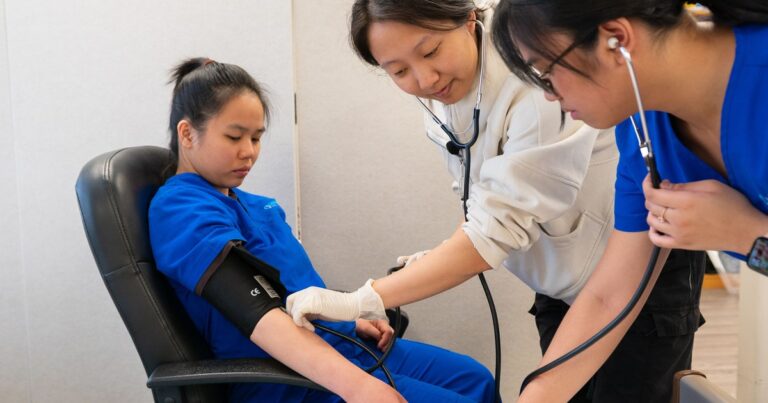
Transitioning a loved one to home care with a feeding tube can feel overwhelming, but please know that you are not alone in this journey. Our team of experienced New York City nurses understands the unique challenges of managing clinical needs within the comfort of your own home environment. We are dedicated to providing the guidance and support necessary to ensure your family member remains safe, comfortable, and well-nourished during this transition. By mastering the fundamentals of tube care, you can transform a complex medical task into a manageable and confident part of your daily family routine.
Clinical Quick Answer
Effective feeding tube maintenance home care NYC requires a disciplined routine of daily stoma cleaning, regular water flushing to prevent clogs, and strict adherence to upright positioning during feedings. A comprehensive Nursing Assessment NYC is the essential first step in creating a safe home plan, as it validates tube placement and identifies potential complications like aspiration or skin breakdown before they become emergencies. Professional nursing oversight empowers NYC families to manage medical equipment safely while ensuring the patient receives optimal nutrition and hydration.
Understanding G-Tube and PEG Tube Basics
To provide high-quality care, it is first necessary to understand exactly what these devices are. A Gastrostomy tube (G-tube) is a medical device inserted through the abdomen directly into the stomach to provide nutrition, hydration, and medication to those who cannot swallow safely. A PEG tube, or Percutaneous Endoscopic Gastrostomy tube, is simply a G-tube that has been placed using an endoscope. For many New Yorkers living with chronic conditions, these tubes are vital lifelines that allow them to recover and thrive outside of a hospital setting.
- G-tubes bypass the mouth and esophagus, which is critical for patients with neurological disorders or throat cancers.
- The ‘stoma’ is the surgical opening in the abdominal wall where the tube enters the body; this area requires the most attention.
- Internal and external ‘bumpers’ or bolsters hold the tube in place to prevent it from sliding in or out of the stomach.
- Tubes come in different sizes (French sizes) and lengths, depending on the patient’s anatomy and nutritional needs.
- Proper maintenance ensures the tube lasts for its intended lifespan, usually several months, before a routine replacement is needed.
The Critical Role of a Nursing Assessment NYC
In the busy environment of New York City home care, a formal Nursing Assessment NYC is the cornerstone of patient safety. When a registered nurse visits your home, they do more than just look at the tube. They perform a holistic evaluation of the patient’s physiological response to enteral feeding. This includes auscultating (listening to) lung sounds to ensure formula isn’t being aspirated and checking the abdomen for distension or bowel sounds. Without these professional checks, small issues can quickly escalate into hospital readmissions.

- Nurses evaluate the skin integrity around the stoma, looking for ‘granulation tissue’ which can cause bleeding or pain.
- The assessment includes a review of the patient’s weight and hydration status to ensure the current feeding plan is effective.
- Professional nurses train family caregivers on how to use feeding pumps and gravity bags specific to the brands provided by NYC medical suppliers.
- Assessment of the ‘residual’ volume in the stomach helps determine if the patient is digesting the formula at an appropriate rate.
- Nurses provide documentation required by New York State for the continuation of home health services and supply deliveries.
Daily Feeding tube maintenance home care NYC Protocols
Maintaining a feeding tube in a home setting requires a blend of hygiene and mechanical consistency. Because NYC homes can vary in environment, keeping a clean, designated space for supplies is vital. Daily maintenance starts with handwashing and ends with ensuring the tube is capped and secured. One of the most common reasons for emergency calls is a clogged tube, which is almost always preventable through diligent flushing. Think of flushing as the ‘oil change’ for the feeding tube—it keeps everything running smoothly.
- Wash the skin around the tube daily with warm water and mild, unscented soap, then pat dry completely.
- Avoid using ointments or powders under the tube bolster unless specifically directed by your NYC nursing team, as these can trap bacteria.
- Rotate the tube 360 degrees daily (if it is a non-sutured PEG) to prevent the tube from adhering to the tract and to check for skin irritation.
- Flush the tube with at least 30mL of room-temperature water before and after every feed and medication pass.
- Check the markings on the tube daily to ensure it hasn’t migrated further into or out of the stomach.
- Keep the external bolster about 2-3 millimeters away from the skin to prevent pressure sores and allow the skin to breathe.
Safe Administration of Nutrition and Medication
Administering food through a tube is a medical procedure that requires strict adherence to safety protocols to prevent aspiration pneumonia, a serious risk for home-bound patients. In New York City’s diverse healthcare landscape, patients may receive various types of formulas, from standard caloric boosters to specialized blends for diabetics or renal patients. Regardless of the formula, the patient’s physical position is the most important factor during the administration process.
- The patient must always be at a 30 to 45-degree angle (Semi-Fowler’s position) during feeding and for at least one hour afterward.
- Never mix medications directly into the feeding formula; this can cause the formula to curdle and clog the tube.
- Crush solid medications into a fine powder and dissolve them in warm water before administration, ensuring each med is given individually.
- Verify that the formula is at room temperature; cold formula can cause stomach cramping and discomfort.
- If using a pump, ensure the tubing is changed every 24 hours to prevent the growth of mold or bacteria within the lines.
Troubleshooting Common Complications at Home
Despite the best feeding tube maintenance home care NYC practices, complications can occasionally arise. Knowing how to react can prevent a trip to the emergency room; The most common issues include clogs, leaks, and skin irritation. Caregivers should stay calm and follow the troubleshooting steps provided during their nursing orientation. It is helpful to keep a ‘tube emergency kit’ nearby, containing extra water, syringes, and contact information for your NYC home health agency.
- For a clogged tube, try gently pulsing warm water into the tube with a 60mL syringe; never use a small syringe as the pressure could rupture the tube.
- If you see formula leaking from the stoma, it may indicate that the balloon inside the stomach has deflated or the tube size is no longer a good fit.
- Pink, moist bumps around the site are likely granulation tissue; your nurse can treat this with silver nitrate during a home visit.
- Persistent diarrhea or bloating may suggest the feeding rate is too fast or the formula is not being tolerated well.
- Always contact your doctor if the patient develops a fever, as this could indicate an internal infection or aspiration.
NYC Resources and Navigating NY State DOH Guidelines
Living in New York City provides access to some of the best medical resources in the world, but navigating the system requires effort. Caregivers should be aware of the standards set by the NY State DOH regarding home care safety and patient rights. From the Bronx to Brooklyn, local pharmacies and medical supply companies are available to deliver the necessary formula and kits directly to your door, often covered by Medicaid or private insurance after a successful Nursing Assessment NYC.
- Utilize NYC-based support groups for caregivers to share tips on managing life with a G-tube.
- Ensure your home care agency is licensed by the New York State Department of Health to guarantee high standards of clinical oversight.
- Keep a list of local 24-hour pharmacies that stock enteral supplies in case of a weekend equipment failure.
- Work with a registered dietitian, often provided through NYC home health agencies, to adjust caloric intake as the patient’s needs change.
- Understand your rights regarding ‘Consumer Directed Personal Assistance Programs’ (CDPAP) which may allow family members to be paid for providing care.
Nurse Insight: In my experience, the biggest hurdle for NYC families is the fear of ‘breaking’ the tube or causing pain during cleaning. I always tell my patients that the tube is more durable than it looks, and once you establish a rhythm with your daily Nursing Assessment NYC checks, the process becomes second nature. Don’t be afraid to ask your nurse to watch you perform a flush or a cleaning until you feel 100% confident—we are here to support your success, not just the patient’s health.
Frequently Asked Questions
How often should I flush the feeding tube to prevent clogs?
You should flush the tube with 30-60mL of warm water before and after every feeding, before and after every medication, and every 4 to 6 hours during continuous feeds or periods of non-use. This is the gold standard for feeding tube maintenance home care NYC.
What do I do if the G-tube site looks red and feels warm?
This may indicate a localized infection. Clean the area, take the patient’s temperature, and call your nursing agency to request a Nursing Assessment NYC. If there is pus or the redness is spreading rapidly, contact your physician immediately.
Can I use a microwave to warm up the feeding formula?
No, never use a microwave. Microwaves create ‘hot spots’ in the formula that can burn the lining of the patient’s stomach. Instead, let the formula sit at room temperature or place the container in a bowl of warm water for a few minutes.
How can I tell if my loved one is aspirating the formula?
Signs of aspiration include sudden coughing, wheezing, a wet-sounding voice, or a blue tint around the lips. If any of these occur during or after a feeding, stop the pump immediately and call 911 or seek emergency care.
How do I get more supplies like syringes and formula in NYC?
Most supplies are coordinated through a Durable Medical Equipment (DME) provider. Your NYC nurse will help you manage the paperwork and prescriptions required to ensure a steady monthly delivery of formula, gauze, and syringes to your home.
Contact ProLife Home Care NYC for a free clinical assessment:(718) 232 – 2777