Watching a loved one navigate the progression of memory loss is one of the most challenging experiences a family in New York City can face. As a Senior NYC Nurse, I have seen firsthand how the right support at home can transform a stressful environment into a place of safety and dignity. In-home occupational therapy offers a proactive way to maintain your loved one’s independence while easing the physical and emotional burden on caregivers. By focusing on what a patient can still do, we can create a sustainable path forward for the entire family unit.
Clinical Quick Answer
In-home occupational therapy for dementia NYC focuses on maintaining a patient's ability to perform activities of daily living (ADLs) through environmental modification and task simplification. These specialized services are a core component of comprehensive Alzheimer's Care NYC, aiming to maximize safety, reduce caregiver burnout, and delay the need for institutionalized care. By adapting the home setting to the patient’s cognitive level, therapists help preserve dignity and functional independence in the most familiar environment.
The Core Goals of Occupational Therapy for Dementia NYC
- Functional Maintenance: The primary objective is to keep the patient engaged in their daily routines, such as self-feeding, grooming, and light household tasks, for as long as possible.
- Safety Interventions: Therapists conduct detailed home assessments to identify fall risks, fire hazards, and navigation obstacles common in high-density NYC living spaces.
- Cognitive Support: Using evidence-based techniques, therapists provide cognitive stimulation that helps slow the functional decline associated with various stages of dementia.
- Task Simplification: By breaking down complex activities into single, manageable steps, therapists reduce the frustration and ‘sundowning’ behaviors often seen in Alzheimer's patients.
- Sensory Integration: Managing the sensory input of an environment-such as noise levels and lighting-to prevent overstimulation and subsequent behavioral issues.
- Caregiver Empowerment: Providing families with the tools and techniques they need to assist their loved ones without compromising their own physical or mental health.
Comprehensive Alzheimer’s Care NYC: Adapting the Home Environment
- Navigating NYC Layouts: Many New York City apartments present unique challenges, such as narrow hallways and cramped bathrooms, which require creative spatial solutions for patient safety.
- Visual Cueing: Occupational therapy for dementia NYC often involves placing labels on drawers, color-coding doors, and using high-contrast dishes to help patients recognize objects and rooms.
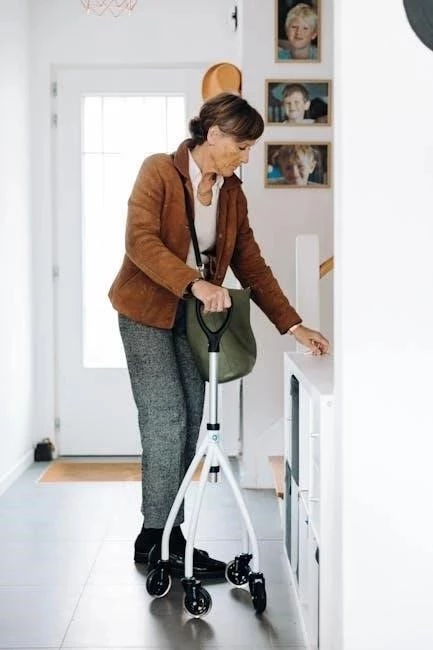
- Fall Prevention: Installing grab bars, non-slip mats, and adequate lighting is critical, especially since dementia patients often experience changes in depth perception and gait.
- Removing Triggers: Identifying and removing mirrors or busy wallpaper patterns that might cause hallucinations or fear in patients with advanced Alzheimer's.
- Adaptive Equipment: Introducing tools like weighted utensils, long-handled sponges, or button-hooks that allow the patient to maintain autonomy in self-care.
- Safe Zones: Creating a specific area in the home where the patient feels secure and can engage in calming, failure-free activities like folding towels or looking at photo albums.
Managing Activities of Daily Living (ADLs) through Therapy
- Dressing Routines: Therapists suggest clothing with Velcro instead of buttons and laying out outfits in the order they should be put on to foster independence.
- Bathing and Hygiene: Developing a predictable schedule and using specialized equipment to make the bathroom a less intimidating and safer space for the patient.
- Nutritional Support: Occupational therapy for dementia NYC addresses the ‘how’ of eating, ensuring patients can use their silverware and chew safely while maintaining social engagement at meals.
- Continence Care: Implementing timed toileting schedules and clear bathroom signage to reduce accidents and maintain the patient's dignity.
- Sleep Hygiene: Establishing calming evening routines to combat the restlessness and confusion associated with evening hours in dementia patients.
- Meaningful Engagement: Identifying hobbies the patient once loved-such as listening to jazz or gardening in window boxes-and adapting them to their current cognitive level.
Cognitive Strategies and Behavioral Interventions
- Errorless Learning: A technique used in Alzheimer's Care NYC where tasks are taught in a way that prevents the patient from making mistakes, thereby reducing frustration.
- Spaced Retrieval: Training the brain to recall important information, like a caregiver's name or how to use a call button, over increasing intervals of time.
- Validation Therapy: Teaching caregivers how to empathize with the patient's reality rather than correcting them, which significantly reduces agitation.
- Reality Orientation: Using calendars, clocks, and weather boards to keep the patient connected to the current time and place, when appropriate for their stage of illness.
- Redirection Techniques: Training caregivers to pivot the patient's attention to a positive activity when they become fixated or upset.
- Memory Aids: Utilizing digital photo frames, voice-recorded reminders, and simplified tablets to bridge communication gaps between the patient and family.
Support and Training for NYC Family Caregivers
- Ergonomic Training: Teaching caregivers how to assist with transfers and mobility without straining their own backs or joints.
- Communication Skills: Specialized training on how to use short sentences, calm tones, and non-verbal cues to effectively interact with a memory-impaired loved one.
- Respite Integration: Helping families understand when and how to bring in additional help to prevent the burnout that is so common in long-term Alzheimer's Care NYC.
- Stress Management: Providing therapists’ insights into managing the emotional toll of caregiving through support groups and mindfulness techniques.
- Crisis Prevention: Developing a plan for when behaviors escalate, ensuring the caregiver knows who to call and how to de-escalate the situation safely.
- Resource Mapping: Identifying local NYC community centers, meal delivery services, and transportation options specifically designed for seniors with dementia.
Navigating NYC Medicaid and Professional Services
- Eligibility Requirements: Understanding the clinical and financial criteria for obtaining in-home occupational therapy for dementia NYC through state programs.
- The MLTC Process: How Managed Long-Term Care plans evaluate the need for OT and how to advocate for the necessary number of hours for your loved one.
- Documentation Needs: Ensuring all medical records and doctor recommendations clearly state the need for skilled therapy to maintain the patient's safety.
- Coordinating Care: The importance of having the occupational therapist communicate with the primary care physician and home health aides for a unified approach.
- NYC Home Care Agencies: Selecting a provider that specializes in dementia and Alzheimer's Care NYC to ensure the therapists are properly trained in memory care.
- State Resources: Utilizing the NY State DOH website to verify agency licensing and find updated guidelines on senior care services.
Nurse Insight: In my experience, the environment is the best ‘medicine’ we have for dementia. I once worked with a family in Manhattan whose father was constantly agitated; after an occupational therapist suggested removing a dark, patterned rug that the father perceived as a hole in the floor, his anxiety dropped almost overnight. Small, expert changes in your NYC home don’t just prevent falls-they provide a profound sense of peace for someone who feels the world is becoming an unfamiliar place.
Frequently Asked Questions
How does occupational therapy for dementia NYC differ from physical therapy?
Physical therapy focuses primarily on large muscle groups, balance, and the mechanics of walking. In contrast, occupational therapy focuses on the functional ‘occupations’ of daily life. For a dementia patient, this means the therapist looks at how the person interacts with their environment to perform tasks like making a sandwich or using the bathroom, specifically addressing cognitive barriers that a physical therapist might not focus on.
Does Medicaid cover in-home Alzheimer's Care NYC and occupational therapy?
Yes, Medicaid in New York usually covers these services if they are part of a prescribed plan of care. Most NYC residents receive these benefits through a Managed Long-Term Care (MLTC) plan. The therapist must document that the service is necessary to improve or maintain the patient’s condition or to prevent a decline in their health and safety.
How often should an occupational therapist visit a dementia patient?
Initially, visits might be more frequent-perhaps twice a week-to establish a baseline and implement home modifications. Once a routine is established and the caregivers are trained, visits may scale back to once a week or twice a month for monitoring. The goal is to provide enough support so the family feels confident in managing daily activities independently.
Can occupational therapy help reduce dementia-related agitation?
Absolutely. Agitation is often a form of communication for a patient who is overwhelmed or frustrated. Occupational therapists identify the triggers in the home-such as loud noises, poor lighting, or confusing clutter-and modify the environment to create a more soothing atmosphere. By making daily tasks easier to understand, the patient feels more successful and less prone to outbursts.
What specific NYC apartment modifications do therapists suggest?
In NYC, where space is often limited, therapists suggest removing clutter to create clear walking paths, improving the wattage of light bulbs to eliminate shadows that cause confusion, and using ‘contrasting colors’ (like a white plate on a dark tablecloth) to help the patient see their food. They also focus on bathroom safety, as the small size of many NYC bathrooms makes falls particularly dangerous.
Contact ProLife Home Care NYC for a free clinical assessment:(718) 232 – 2777
Contact ProLife Home Care NYC for a free clinical assessment: (718) 232-2777