As a Senior Nurse who has spent years navigating the complex healthcare landscape of New York City, I have seen how vision loss can silently steal the independence of our beloved elders․ It is often heartbreaking for families to watch a parent struggle with daily tasks, not realizing that a simple change in prescription or a cataract screening could restore their confidence․ My mission is to ensure that every family knows that physical mobility should never be a barrier to high-quality clinical eye care․ By bringing the clinic to the living room, we are not just checking vision; we are protecting the safety and emotional well-being of the seniors who built this city․
Clinical Quick Answer
For homebound NYC seniors, a Medicaid eye exam home visit NYC is a fully covered benefit designed to provide comprehensive diagnostic care directly in the patient's residence․ These services, often coordinated through specialized providers like Vision Eye Care NYC, include visual acuity testing, glaucoma screening, and the fitting of prescription eyewear․ By utilizing mobile diagnostic technology, licensed optometrists can perform medical-grade exams that meet the same clinical standards as a traditional office visit․
The Critical Role of In-Home Vision Care for NYC Seniors
In the bustling environment of New York City, seniors often face unique challenges when it comes to maintaining their health․ Vision is arguably the most critical sense for maintaining safety in an urban home․ When vision fades, the risk of falls-the leading cause of injury among the elderly-increases exponentially․ Clinical studies show that even minor vision impairment can lead to medication errors, as seniors may struggle to read labels or distinguish between different pills․
- Fall Prevention: Proper depth perception and peripheral vision are essential for navigating rugs, doorsteps, and the tight layouts of many NYC apartments․
- Mental Health: Clear vision allows seniors to engage in hobbies like reading, sewing, or video-calling family, which directly combats the epidemic of geriatric isolation․
- Early Detection: Home visits allow for the early identification of chronic conditions like age-related macular degeneration (AMD) and diabetic retinopathy, which often show no early symptoms․
- Cognitive Support: There is a documented link between uncorrected vision loss and the acceleration of cognitive decline and dementia-related symptoms․
- Medication Safety: Corrective lenses ensure that seniors can accurately read dosage instructions and expiration dates on their prescriptions․
Navigating the Medicaid Eye Exam Home Visit NYC Process
Understanding how to access a Medicaid eye exam home visit NYC is essential for caregivers․ The New York State Medicaid program recognizes that for many residents, traveling to a provider is not just an inconvenience-it is a medical impossibility․ Whether a senior is enrolled in standard Medicaid or a Managed Long Term Care (MLTC) plan, the framework exists to bring the optometrist to them․ This benefit is designed to be comprehensive, covering the exam, the frames, and the lenses․
- Eligibility Verification: The patient must generally be established as “homebound,” meaning they require significant assistance or specialized transport to leave their residence․
- Coverage Scope: Medicaid typically covers one comprehensive eye exam every 24 months, though exceptions are made for medical necessity (e;g․, monitoring glaucoma)․
- No Out-of-Pocket Costs: For those with full Medicaid benefits, the home visit and subsequent basic eyewear are provided at no cost to the family․
- MLTC Coordination: If the senior has a care manager through an MLTC plan, the manager can facilitate the authorization for mobile services․
- Documentation: Maintaining a record of the patient's primary diagnosis (such as Parkinson's, advanced arthritis, or Alzheimer's) helps justify the need for a home-based service․
Why Families Choose Vision Eye Care NYC
When searching for specialized providers, Vision Eye Care NYC stands out for its focus on the geriatric population within the five boroughs․ These providers understand the nuances of working with patients who may have physical limitations or cognitive impairments․ The equipment used is specifically designed for portability without sacrificing diagnostic accuracy, ensuring that a “bedside” exam is just as thorough as one performed in a high-tech facility․
- Portable Diagnostics: Use of handheld tonometer devices to check eye pressure for glaucoma without the need for the “air puff” test․
- Digital Refraction: Mobile computerized systems that can determine a prescription even if the patient has difficulty communicating․
- Specialized Training: Clinicians are trained in “bedside manner” for seniors with dementia, using patience and non-verbal cues to complete the exam․
- On-Site Fitting: Providers often bring a selection of Medicaid-approved frames to the home, allowing the senior to choose their style immediately․
- Direct Delivery: Once the lenses are crafted, they are typically delivered and fitted directly at the senior’s home, completing the circle of care․
What Happens During a Mobile Eye Exam?
Many families are curious about how a comprehensive exam can be conducted in a bedroom or living room․ The process is streamlined but rigorous․ A mobile optometrist arrives with several cases of specialized equipment․ The exam usually takes 30 to 45 minutes, depending on the patient's responsiveness and the complexity of their ocular health․ It is a clinical procedure that prioritizes the comfort of the senior while gathering vital health data․
- Case History: The doctor reviews the patient's medical history, current medications, and specific visual complaints with the caregiver․
- Visual Acuity: Using portable charts or digital screens, the doctor measures how clearly the patient sees at various distances․
- External Examination: The doctor uses a slit lamp (biomicroscope) to check the health of the eyelids, cornea, and iris․
- Internal Health Check: Using a retinal camera or an ophthalmoscope, the provider examines the back of the eye for signs of systemic disease․
- Pressure Testing: Essential for detecting glaucoma, this is done with a gentle, handheld touch-sensor․
Overcoming Barriers: When Travel is No Longer an Option
For many NYC families, the logistics of transporting a senior to an eye doctor are daunting․ Accessing subways with a wheelchair, the high cost of ambulette services, and the physical toll of a long day in a waiting room often lead families to skip eye appointments․ This delay can result in permanent, preventable vision loss․ For more information on health rights and provider standards, families can visit the NY State DOH website․
- Reduced Physical Strain: Eliminating the “travel tax” on a senior's energy helps them remain more alert and cooperative during the exam․
- Environmental Assessment: The optometrist can see the actual lighting conditions the senior lives in and offer practical advice on improving home visibility․
- Caregiver Inclusion: Conducting the exam at home allows the primary caregiver to be present, ask questions, and understand the follow-up care plan․
- Safety First: In-home visits eliminate exposure to viruses and bacteria found in crowded medical waiting rooms, which is a major concern for immunocompromised seniors․
- Consistency of Care: Mobile services ensure that even the most fragile New Yorkers receive the same standard of care as those who are fully mobile․
Coordinating Follow-Up and Long-Term Eye Health
The eye exam is only the first step in a larger continuum of care․ Once the exam is complete, the mobile provider coordinates with the rest of the medical team․ This ensures that if a serious condition like a retinal tear or advanced cataracts is discovered, the transition to a surgical specialist is handled smoothly․ The goal of a Medicaid eye exam home visit NYC is to integrate vision health into the patient’s overall primary care strategy․
- Reporting to PCP: The optometrist sends a clinical report to the senior's primary physician to update them on any newly diagnosed conditions․
- Eyewear Adjustments: If the new glasses require adjustment, many mobile providers offer follow-up home visits to ensure the fit is perfect․
- Referral Networks: Mobile providers maintain networks with NYC's top ophthalmologists for patients who require surgical intervention․
- Education: Caregivers receive instruction on how to administer eye drops or manage the cleaning of new lenses․
- Future Scheduling: Most mobile services will place the senior on a recurring recall list, so the family doesn’t have to remember when the next 24-month exam is due․
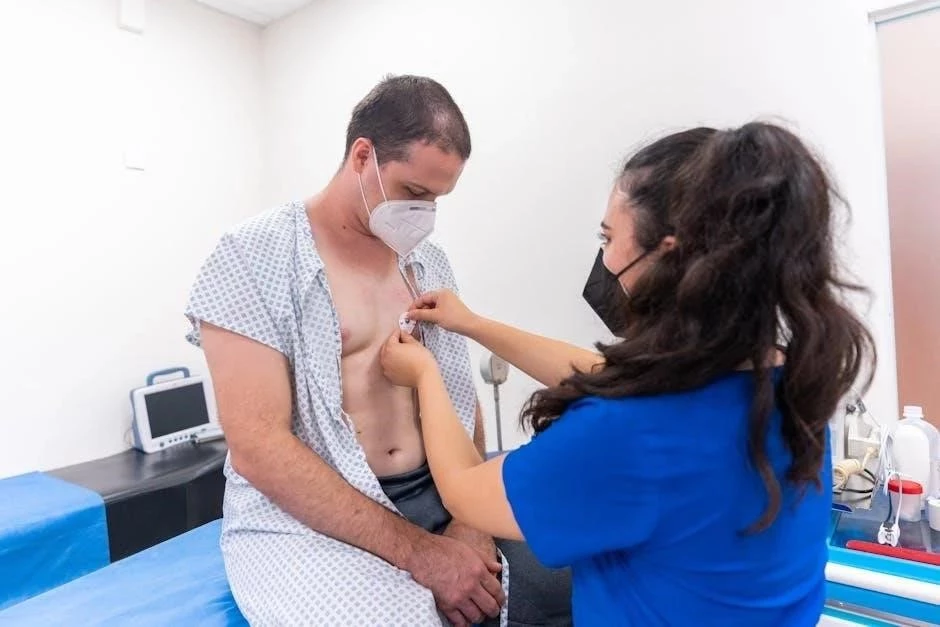
Nurse Insight: In my experience, the most overlooked aspect of senior care is the “hidden” vision loss․ I've seen many patients labeled as “confused” or “withdrawn” simply because they couldn’t see the faces of their visitors or the food on their plates․ Once we arranged a home visit through a service like Vision Eye Care NYC and they received the correct glasses, their personality seemingly returned overnight․ Never underestimate the power of sight in maintaining a senior’s dignity and connection to the world around them․ If your loved one hasn’t had an exam in two years, don’t wait for them to complain-often, they don’t even realize how much they've lost until it's restored․
Frequently Asked Questions
Does Medicaid pay for the glasses frames too?
Yes, Medicaid covers a selection of standard frames and lenses․ While high-end designer frames may not be covered, the provided options are durable and functional, ensuring the senior has the correction they need without any cost․
How do I know if my parent is considered “homebound”?
Generally, if leaving the home requires a “considerable and taxing effort,” or if they require a wheelchair, oxygen, or have severe cognitive impairments like dementia that make travel dangerous, they meet the criteria for homebound services․
Can the eye doctor check for cataracts during a home visit?
Absolutely․ Mobile optometrists use high-powered portable lights and lenses to examine the crystalline lens of the eye for clouding, which is the primary indicator of cataracts․
What if the senior is non-verbal or has advanced Alzheimer’s?
Providers experienced in geriatric care use “objective” testing methods․ This means they use specialized equipment to measure the eye’s shape and health without requiring the patient to answer “which is better, one or two?”
How long does it take to get the glasses after the home exam?
In most cases within the NYC Medicaid network, glasses are processed and delivered to the senior’s home within 2 to 4 weeks after the exam is completed and the prescription is finalized․
Contact ProLife Home Care NYC for a free clinical assessment:(718) 232 – 2777
Contact ProLife Home Care NYC for a free clinical assessment: (718) 232-2777