{
“@context”: “https://schema.org”,
“@type”: “FAQPage”,
“mainEntity”: [
{
“@type”: “Question”,
“name”: “Why is professional tracheostomy care training necessary for Brooklyn families?”,
“acceptedAnswer”: {
“@type”: “Answer”,
“text”: “Professional training is essential to prevent life-threatening complications such as mucus plugs, accidental decannulation, and infections. In a home setting, caregivers must be proficient in suctioning techniques and emergency responses to ensure patient safety without immediate hospital supervision.”
}
},
{
“@type”: “Question”,
“name”: “What does a typical Nursing Assessment NYC involve for a tracheostomy patient?”,
“acceptedAnswer”: {
“@type”: “Answer”,
“text”: “A comprehensive assessment includes evaluating the patency of the airway, checking lung sounds, inspecting the stoma site for infection, verifying equipment settings (like humidification and suction pressure), and ensuring the caregiver's competency in daily management.”
}
},
{ “@type”: “Question”,
“name”: “How often should the tracheostomy inner cannula be cleaned or replaced?”,
“acceptedAnswer”: {
“@type”: “Answer”,
“text”: “Generally, the inner cannula should be cleaned or replaced at least two to three times a day, or more frequently if secretions are thick. This prevents the buildup of mucus that could lead to airway obstruction.”
}
},
{
“@type”: “Question”,
“name”: “Can a person with a tracheostomy still communicate or eat at home?”,
“acceptedAnswer”: {
“@type”: “Answer”,
“text”: “Yes, with proper assessment and tools like the Passy Muir speaking valve, many patients can regain the ability to speak. Eating is also possible for many, provided a speech and language pathologist has cleared the patient’s swallowing reflex through a formal evaluation.”
}
},
{
“@type”: “Question”,
“name”: “What are the red flags that require immediate medical attention?”,
“acceptedAnswer”: {
“@type”: “Answer”,
“text”: “Immediate help is needed if the patient experiences difficulty breathing, the tube becomes dislodged, there is bright red blood from the stoma, or if the patient develops a high fever accompanied by a change in the color or smell of secretions.”
}
}
]
}
Bringing a loved one home with a tracheostomy is a significant transition that requires a blend of technical skill and deep compassion. As a senior nurse serving the Brooklyn community, I have seen firsthand how proper preparation can turn a complex medical situation into a manageable and safe home routine. Our focus is to provide your family with the confidence and clinical expertise needed to maintain a clear airway and prevent emergencies. By utilizing specialized Tracheostomy care training Brooklyn programs, you are taking the most important step in ensuring the long-term health and comfort of your family member.
Clinical Quick Answer
Managing a tracheostomy at home requires daily adherence to suctioning protocols, stoma hygiene, and equipment maintenance to ensure airway patency. A professional Nursing Assessment NYC provides a critical safety net by evaluating the patient's respiratory status and the caregiver’s proficiency in handling the device. Success in a home setting depends on rigorous training, having a dedicated emergency “go-bag” ready at all times, and maintaining a humidified environment to prevent mucus plugging.
The Critical Role of Tracheostomy Care Training Brooklyn
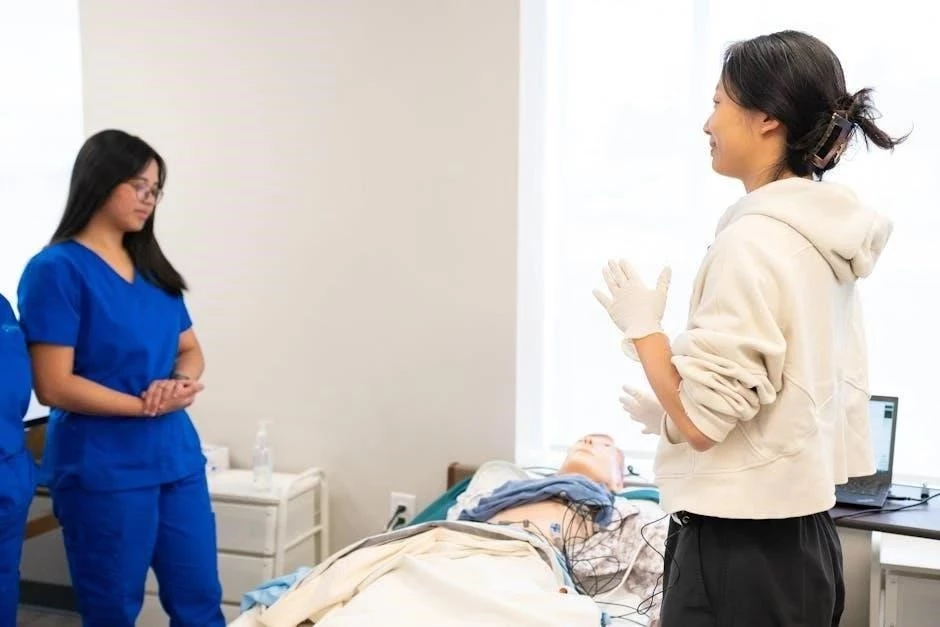
- Hands-On Competency: Professional training in Brooklyn focuses on the physical skills required to handle the tracheostomy tube, including the delicate process of cleaning or replacing the inner cannula without causing trauma to the airway.
- Emergency Simulation: High-quality training programs simulate high-stress scenarios, such as a dislodged tube or a total airway obstruction, allowing caregivers to practice their response in a controlled environment before an actual crisis occurs.
- Equipment Familiarization: Caregivers must learn to operate various brands of suction machines, portable oxygen concentrators, and nebulizers that are commonly used in Brooklyn home care settings.
- Infection Control Standards: Training emphasizes the “clean vs. sterile” technique, teaching families how to maintain a hygienic environment in a standard home setting to prevent pneumonia and stoma infections.
- Local Resource Navigation: Training often includes how to coordinate with Brooklyn-based medical supply companies to ensure a steady flow of catheters, gauze, and replacement tubes.
Essential Nursing Assessment NYC: A Home Care Foundation
- Respiratory Vitality: A professional Nursing Assessment NYC starts with a thorough check of the patient's oxygen saturation, respiratory rate, and lung sounds to detect any early signs of congestion or distress.
- Stoma Site Evaluation: The nurse inspects the skin surrounding the tracheostomy for redness, swelling, or granulation tissue, which can be common in long-term tracheostomy patients and requires specific topical treatments.
- Secretion Monitoring: Assessing the color, consistency, and volume of secretions is vital for early detection of respiratory infections, which can escalate quickly in tracheostomy-dependent individuals.
- Environmental Safety Check: The assessment includes a review of the home's electrical capacity for medical equipment and the cleanliness of the area where the patient spends the majority of their time.
- Caregiver Psychosocial Support: NYC nurses evaluate the emotional well-being of the primary caregiver, identifying signs of burnout and suggesting local support groups or respite care options within the five boroughs.
Daily Maintenance and Suctioning Protocols
- Suctioning Frequency: Suctioning should be performed whenever the patient shows signs of respiratory distress, or when mucus can be heard rattling in the tube, rather than just on a strict timed schedule.
- The Suctioning Process: Caregivers must be taught the correct depth for catheter insertion to avoid damaging the tracheal wall, and the “10-second rule” to ensure the patient is not deprived of oxygen during the procedure.
- Inner Cannula Care: Whether the patient uses disposable or reusable inner cannulas, they must be checked multiple times a day to ensure that dried mucus is not narrowing the airway.
- Tie and Holder Changes: Tracheostomy ties must be changed when soiled and checked for tightness; you should always be able to fit two fingers comfortably between the tie and the patient’s neck.
- Humidification: Because a tracheostomy bypasses the nose and mouth, the air must be artificially humidified using a “trach collar” or a heat-moisture exchanger (HME) to keep secretions thin and manageable.
Emergency Preparedness and the Go-Bag Essentials
- The Backup Tube: You must always have two spare tracheostomy tubes: one of the same size and one size smaller, in case the stoma begins to close during an accidental decannulation.
- Ambu Bag Proficiency: Every Brooklyn home must have a manual resuscitator (Ambu bag) and the knowledge of how to use it through the tracheostomy tube or via a mask if the tube is out.
- Portable Suction: A battery-powered suction machine is non-negotiable for trips outside the home or during NYC power outages, ensuring the airway can be cleared anywhere.
- Emergency Contact List: A laminated list of the patient's surgeon, the nearest Brooklyn emergency room (such as Maimonides or NYU Langone), and the 24-hour nursing agency line should be taped to the equipment stand.
- Power Outage Plans: For patients on ventilators or high-flow oxygen, families must register with Con Edison as a “Life Support Equipment” household to receive priority during power restoration.
Skin Care and Prevention of Complications
- Moisture Management: Using specialized split-gauze dressings helps to wick moisture away from the stoma, preventing maceration and the breakdown of skin.
- Granulation Tissue: If “proud flesh” or small red bumps grow around the stoma, a Nursing Assessment NYC professional can coordinate with the physician for silver nitrate treatments to cauterize the excess tissue.
- Barrier Creams: In some cases, antifungal powders or barrier creams may be prescribed if the area becomes prone to yeast infections due to constant moisture.
- Positioning: Ensuring the patient's head is properly aligned helps prevent the tube from rubbing against the tracheal wall, which can cause internal sores or even fistulas.
- Oral Care: Even though the patient is breathing through their neck, oral hygiene is critical to prevent bacteria in the mouth from traveling down into the lungs and causing aspiration pneumonia.
Nutrition, Communication, and Quality of Life
- Swallow Evaluations: Before attempting any oral feeding, a formal evaluation is required to ensure that food or liquid is not entering the lungs, which is a high risk for tracheostomy patients.
- Speaking Valves: One-way valves like the Passy Muir allow air to pass through the vocal cords, enabling the patient to speak and improving their sense of taste and smell.
- Alternative Communication: For patients who cannot use a speaking valve, iPads, letter boards, and simple hand signals are essential for reducing the frustration and isolation often felt by patients.
- Social Reintegration: With a portable suction unit and a well-packed go-bag, many Brooklyn patients can enjoy walks in Prospect Park or family gatherings, which is vital for mental health.
- Link to Official Guidelines: For more detailed information on home care regulations and patient rights in New York, visit the NY State DOH website.
Nurse Insight: In my experience, the biggest hurdle isn’t the technical skill-it’s the anxiety of the first tube change at home. I always tell my Brooklyn families to keep their ‘Go-Bag’ by the front door and practice the emergency steps once a week, even when everything is going perfectly, because muscle memory saves lives in a crisis. Don’t be afraid to ask your visiting nurse to watch you perform the care several times until it feels like second nature; we are here to support your confidence as much as your clinical skill.
Frequently Asked Questions
Why is professional tracheostomy care training necessary for Brooklyn families?
Professional training is essential to prevent life-threatening complications such as mucus plugs, accidental decannulation, and infections. In a home setting, caregivers must be proficient in suctioning techniques and emergency responses to ensure patient safety without immediate hospital supervision.
What does a typical Nursing Assessment NYC involve for a tracheostomy patient?
A comprehensive assessment includes evaluating the patency of the airway, checking lung sounds, inspecting the stoma site for infection, verifying equipment settings (like humidification and suction pressure), and ensuring the caregiver's competency in daily management.
How often should the tracheostomy inner cannula be cleaned or replaced?
Generally, the inner cannula should be cleaned or replaced at least two to three times a day, or more frequently if secretions are thick. This prevents the buildup of mucus that could lead to airway obstruction.
Can a person with a tracheostomy still communicate or eat at home?
Yes, with proper assessment and tools like the Passy Muir speaking valve, many patients can regain the ability to speak. Eating is also possible for many, provided a speech and language pathologist has cleared the patient’s swallowing reflex through a formal evaluation.
What are the red flags that require immediate medical attention?
Immediate help is needed if the patient experiences difficulty breathing, the tube becomes dislodged, there is bright red blood from the stoma, or if the patient develops a high fever accompanied by a change in the color or smell of secretions.
Contact ProLife Home Care NYC for a free clinical assessment:(718) 232 – 2777
Contact ProLife Home Care NYC for a free clinical assessment: (718) 232-2777