
{
“@context”: “https://schema.org”,
“@type”: “FAQPage”,
“mainEntity”: [
{
“@type”: “Question”,
“name”: “How often should a CHF patient weigh themselves?”,
“acceptedAnswer”: {
“@type”: “Answer”,
“text”: “Patients with Congestive Heart Failure should weigh themselves every single morning, immediately after waking up and using the bathroom, but before eating or drinking anything.”
}
},
{ “@type”: “Question”,
“name”: “What amount of weight gain is considered dangerous for CHF patients?”,
“acceptedAnswer”: {
“@type”: “Answer”,
“text”: “The general rule of thumb used by NYC clinicians is a gain of 2 to 3 pounds in a single day or 5 pounds in a week. This often indicates fluid retention that requires immediate medical intervention.”
} },
{
“@type”: “Question”,
“name”: “Does the type of scale matter for CHF weight monitoring?”,
“acceptedAnswer”: {
“@type”: “Answer”,
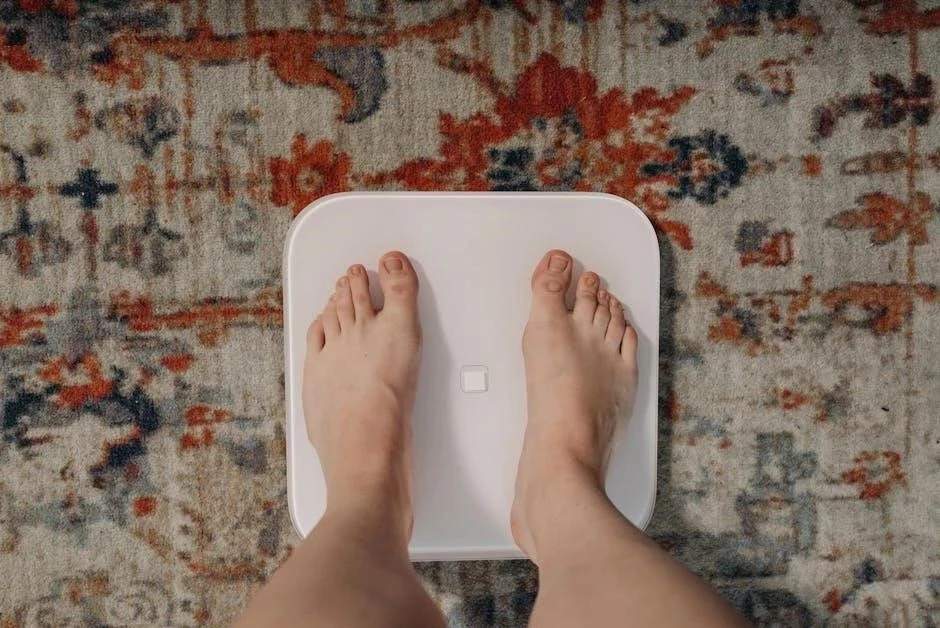
“text”: “A digital scale is preferred for accuracy and ease of reading. It should be placed on a hard, flat surface rather than carpet to ensure the most consistent daily measurements.”
}
},
{
“@type”: “Question”,
“name”: “Why is daily weighing better than just looking for swelling?”,
“acceptedAnswer”: {
“@type”: “Answer”,
“text”: “Weight gain on the scale often happens several days before visible swelling (edema) appears in the legs or ankles. It is the earliest warning sign of a heart failure flare-up.”
}
},
{
“@type”: “Question”,
“name”: “What should I do if my loved one misses a day of weighing?”,
“acceptedAnswer”: {
“@type”: “Answer”,
“text”: “If a day is missed, simply resume the routine the following morning. Do not try to guess the previous day’s weight. Consistency over time is more important than a single missing data point.”
}
}
]
}
Caring for a family member with Congestive Heart Failure (CHF) in the fast-paced environment of New York City requires a vigilant eye and a dedicated heart. As a senior nurse with years of experience in home health, I know that the simple act of stepping on a scale each morning is the single most important habit for preventing emergency room visits. By tracking these numbers, you are giving your loved one the best chance to manage their condition from the comfort of their own home. Your role as a caregiver is the bridge between clinical stability and a sudden health crisis, and we are here to support you every step of the way.
Clinical Quick Answer
Daily weight tracking is the primary method for detecting fluid “overload” in heart failure patients before it becomes life-threatening. A sudden increase of 2-3 pounds in 24 hours or 5 pounds in a week usually signals that the heart is struggling to pump efficiently, causing fluid to back up into the lungs and tissues. Early detection through this CHF weight monitoring nurse guide allows physicians to adjust diuretic dosages and stabilize the patient without hospitalization.
The Critical Role of Weight in Heart Failure Management
- Understanding Fluid Dynamics: In a healthy body, the kidneys and heart work in tandem to regulate fluid. In CHF, the heart muscle is weakened, leading to a backup of fluid that the kidneys cannot process quickly enough.
- The “Dry Weight” Benchmark: Every patient has a “dry weight,” which is their weight when they have no extra fluid in their body. Establishing this baseline is the first step in any home-based cardiac care plan.
- Early Warning System: Weight gain is a “leading indicator,” meaning it happens before the patient feels short of breath. Waiting for physical symptoms like gasping for air is often too late for simple home adjustments.
- NYC Challenges: New York City apartments can be humid, and diets high in sodium from local delis or prepared foods can trigger rapid fluid retention. Daily monitoring accounts for these environmental variables.
- Cardiac Strain: For every extra pound of fluid retained, the heart must work significantly harder to circulate blood, which further weakens the cardiac muscle over time.
CHF Weight Monitoring Nurse Guide: Step-by-Step Protocol
- The Morning Routine: The patient must weigh themselves first thing in the morning. The sequence should be: wake up, use the bathroom, and then step on the scale before drinking water or eating breakfast.
- Clothing Consistency: To ensure the data is accurate, the patient should wear the same amount of clothing each time (e.g., lightweight pajamas) or weigh themselves without clothes.
- Scale Placement: Ensure the scale is on a flat, hard surface like tile or wood. In many NYC apartments with uneven floors or carpeting, this may require moving the scale to the kitchen or bathroom specifically for the measurement.
- The Daily Log: Keep a physical notebook or a digital spreadsheet next to the scale. Recording the date, time, and weight immediately prevents “forgetting” or guessing the number later in the day.
- Communication: This CHF weight monitoring nurse guide emphasizes that the log should be brought to every primary care or cardiology appointment so the doctor can see trends over months, not just days.
Professional Nursing Evaluation and Assessment
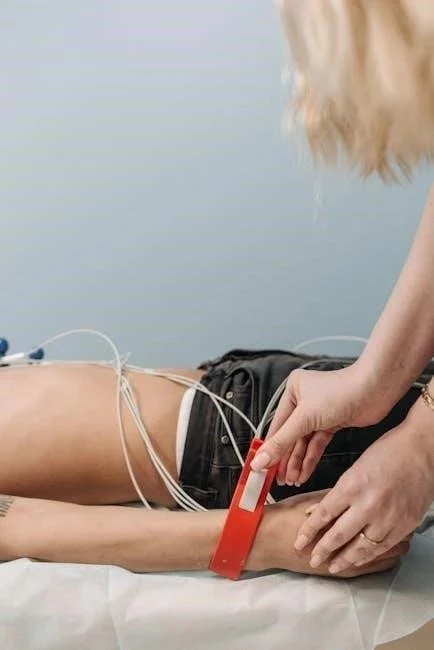
- The Role of the RN: A =Nursing Evaluation involves more than just looking at the scale. We assess the patient’s holistic state, including their “pitting edema” (swelling where a finger press leaves an indentation).
- Lung Sound Auscultation: During a professional evaluation, nurses listen for “crackles” or “rales” in the lungs, which indicate that fluid has moved from the tissues into the air sacs.
- Jugular Venous Distension (JVD): We check the veins in the neck. If they are bulging while the patient is sitting up, it is a sign of high pressure in the right side of the heart.
- Vital Sign Correlation: A comprehensive =Nursing Evaluation checks if weight gain is accompanied by an increase in blood pressure or a higher-than-normal resting heart rate.
- Cognitive Check: Often, fluid backup can cause mild confusion or fatigue due to decreased oxygenation; a nurse evaluates these subtle changes during home visits.
Recognizing Red Flags and the “Zone” System
- Green Zone (Stable): Weight is within 1-2 pounds of the baseline. No shortness of breath, no increased swelling, and ability to perform daily activities.
- Yellow Zone (Caution): Weight gain of 2-3 pounds in a day or 5 pounds in a week. This requires a call to the doctor and may involve a temporary “booster” dose of diuretics.
- Red Zone (Emergency): Weight gain accompanied by extreme shortness of breath, chest pain, or the inability to lie flat in bed. This warrants a call to 911 or an immediate trip to an NYC emergency room.
- Orthopnea Detection: Ask the patient if they needed more pillows to sleep last night. If they went from one pillow to three to breathe comfortably, this is a major red flag regardless of the weight.
- Paroxysmal Nocturnal Dyspnea: Watch for patients waking up suddenly in the middle of the night feeling like they are suffocating; this is a classic sign of advanced fluid overload.
Managing Sodium and Fluid Intake in NYC
- The Sodium Connection: Salt acts like a sponge, holding water in the bloodstream. NYC residents must be wary of “hidden” sodium in bagels, pizza, and canned soups common in local bodegas.
- Reading Labels: Aim for less than 1,500mg to 2,000mg of sodium per day. Always check the “Serving Size” on the back of packages, as one container often holds two servings.
- Fluid Restrictions: Some CHF patients are put on a 1.5-liter or 2-liter fluid limit. This includes everything that is liquid at room temperature, such as ice cream, gelatin, and soup.
- Flavor Without Salt: Encourage the use of fresh herbs, lemon juice, or vinegar to season food instead of table salt or high-sodium spice blends.
- NYC Tap Water: While NYC has excellent tap water, patients on fluid restriction must count every glass toward their daily total.
Integrating Care with New York Health Resources
- Home Care Services: Many NYC patients qualify for Visiting Nurse Services (VNS) or other home health agencies that can assist with daily monitoring and =Nursing Evaluation tasks.
- Telehealth Integration: Many Manhattan and Brooklyn-based cardiology groups now offer Bluetooth-connected scales that automatically send weight data to the clinic’s portal.
- Medicaid and Managed Care: NYC Medicaid programs often cover the cost of home scales and regular nursing visits to ensure CHF patients stay out of the hospital.
- Official Guidelines: For more information on patient rights and home care standards, visit the NY State DOH website.
- Community Support: NYC has various senior centers and community health initiatives that offer heart-healthy meal programs specifically designed for cardiac patients;
Nurse Insight: In my experience, the biggest hurdle isn’t the weighing itself, but the “forgetting.” I always tell my NYC families to put the scale in the path between the bed and the bathroom. If it is tucked away in a closet, it won’t be used. Also, if you see the weight go up, don’t wait for the patient to “feel bad” before calling the doctor. In heart failure, the scale is a much more honest reporter than the patient’s own feelings of wellness.
Frequently Asked Questions
Should I weigh myself if I have socks on?
It is best to weigh yourself barefoot or with the exact same type of thin socks every day. Even heavy winter socks can add a quarter-pound, which can confuse the data when we are looking for precise changes.
Is it normal for weight to fluctuate by one pound?
Yes, minor fluctuations of about one pound are normal due to variations in digestion and minor hydration changes. We only start to worry when the trend is consistently upward or hits the 2-3 pound threshold in one day.
What if the patient refuses to weigh themselves?
This is common, especially with dementia or depression. Try to make it a positive part of the routine, perhaps followed by a favorite (low-sodium) breakfast. Remind them that the scale is their “ticket” to staying home instead of going to the hospital.
Can I use a traditional dial scale instead of digital?
While you can, digital scales are highly recommended. Dial scales can be difficult to read accurately to the pound, and even a small misreading can lead to an incorrect clinical decision.
What if the weight goes down significantly?
Significant weight loss (3-5 pounds in a few days) can also be a concern, potentially indicating dehydration or that the diuretic medication is too strong. Report significant drops to the cardiac team as well.
Contact ProLife Home Care NYC for a free clinical assessment:(718) 232 – 2777