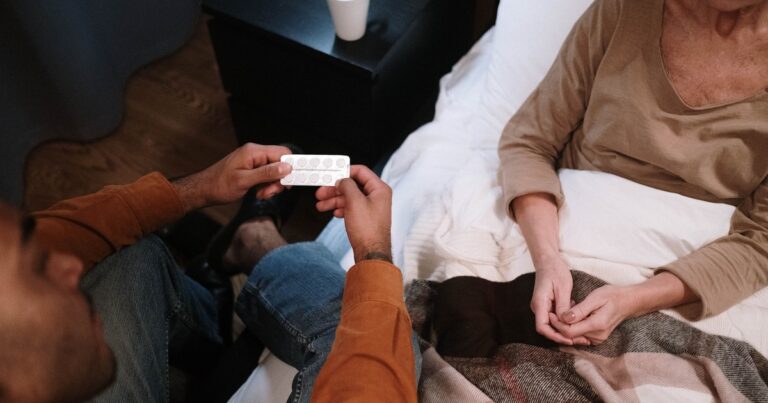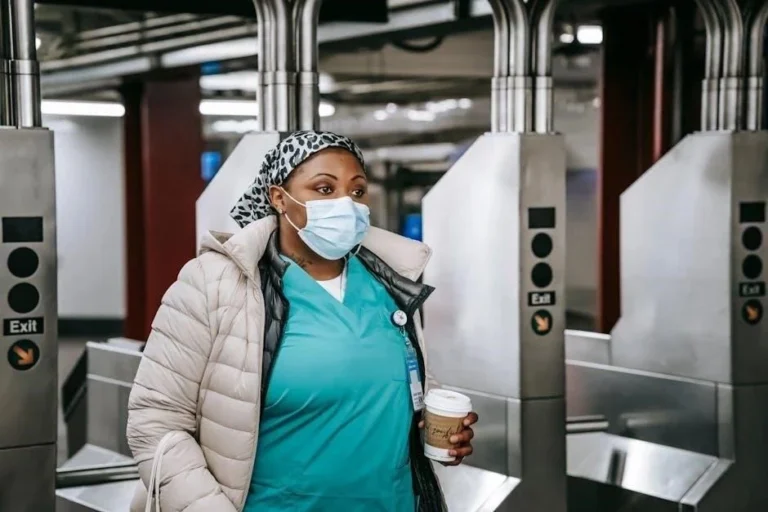
Caring for a loved one with a chronic wound in a bustling city like New York can feel overwhelming for any family. Our team of specialized nurses understands the unique challenges of maintaining a sterile environment within the home to prevent life-threatening complications. We are here to ensure that your family member receives the highest standard of clinical care right in the comfort of their own living room. Preventing sepsis starts with rigorous attention to detail, and we are committed to guiding you through every step of this critical journey.
Clinical Quick Answer
Professional wound irrigation is a clinical process using pressurized fluid to remove debris and bacteria from a wound bed to promote healing and prevent systemic infection. In the context of NYC home care, this procedure is vital for managing chronic ulcers and surgical sites to mitigate the risk of sepsis. Proper Wound Care Management involves sterile technique, the correct irrigation solution, and consistent monitoring by a licensed healthcare professional to ensure patient safety.
- Bacteria Removal: In the densely populated environment of New York City, airborne contaminants and household dust can easily settle into open wounds. Professional irrigation uses a steady stream of solution to mechanically flush out bacteria, reducing the bioburden that leads to infection.
- Biofilm Disruption: Chronic wounds often develop a biofilm—a microscopic layer of bacteria that protects them from antibiotics. Proper irrigation techniques help disrupt these films, allowing medications and the body’s natural defenses to reach the site.
- Removal of Necrotic Tissue: Dead or sloughing tissue provides a breeding ground for pathogens. A Wound irrigation nurse guide NYC focuses on how to gently wash away this debris without damaging the delicate new skin cells (granulation tissue) forming underneath.
- Optimal Moisture Balance: Irrigation helps maintain the correct moisture level in the wound bed. A wound that is too dry cannot heal, while one that is too wet can lead to maceration; professional assessment ensures the balance is just right.
- Early Detection: When a professional nurse performs irrigation, they are also conducting a deep assessment. They can spot subtle changes in color, odor, or size that a layperson might miss, providing a crucial early warning system against sepsis.
Understanding Sepsis Risks in Wound Care Management
- Systemic Inflammatory Response: Sepsis is the body’s extreme response to an infection. If bacteria from a localized wound enter the bloodstream, it can lead to organ failure and death. Effective Wound Care Management is the primary defense against this progression.
- The “Golden Hour”: In clinical settings, the speed of intervention is vital. Professional home nurses are trained to recognize the “Sepsis Six” protocols, ensuring that at the first sign of systemic involvement, the patient is stabilized or transported to a facility like New York-Presbyterian or Mount Sinai.
- Comorbidities and Risk: Many NYC residents suffer from diabetes or vascular disease, which impairs the immune response. For these individuals, a small foot ulcer can turn septic in a matter of days without professional irrigation and monitoring.
- The Role of Exudate: Monitoring the fluid that drains from a wound is essential. Changes in the viscosity or color of exudate can indicate an impending septic event, requiring immediate adjustments to the irrigation and dressing protocol.
- Antibiotic Stewardship: By effectively cleaning a wound through irrigation, nurses can sometimes reduce the need for systemic antibiotics, helping to prevent the rise of “superbugs” in the community.
The Step-by-Step Procedure: A Wound Irrigation Nurse Guide NYC
- Preparation and Environment: The nurse begins by creating a “clean field” in the home. This involves clearing a space, performing hand hygiene, and donning personal protective equipment (PPE) including gloves, gowns, and face shields to prevent cross-contamination.
- Solution Selection: Depending on the wound type, the nurse may use sterile normal saline (0.9% NaCl) or a specialized antimicrobial wash like Prontosan or Vashe. The solution is often warmed to body temperature to prevent “wound shock,” which can stop healing for several hours.
- Pressure Application: Using a 35 mL syringe and a 19-gauge needle or a specialized irrigation tip, the nurse applies fluid at a pressure of 4 to 15 PSI. This is the “sweet spot” that removes debris without forcing bacteria deeper into the tissue.
- Directional Flow: Irrigation always proceeds from the “cleanest” part of the wound to the “dirtiest” (usually from the top down or center outward). This ensures that contaminated runoff does not touch previously cleaned areas.
- Collection and Analysis: An irrigation basin is used to catch the runoff. The nurse examines this fluid for fragments of tissue, clarity, and volume, documenting these findings to track the healing progress over time.
- Post-Irrigation Care: After the site is cleansed, the nurse gently pats the surrounding skin (periwound) dry and applies the prescribed primary and secondary dressings to maintain the sterile environment.
Essential Equipment and Sterile Technique for Home Environments
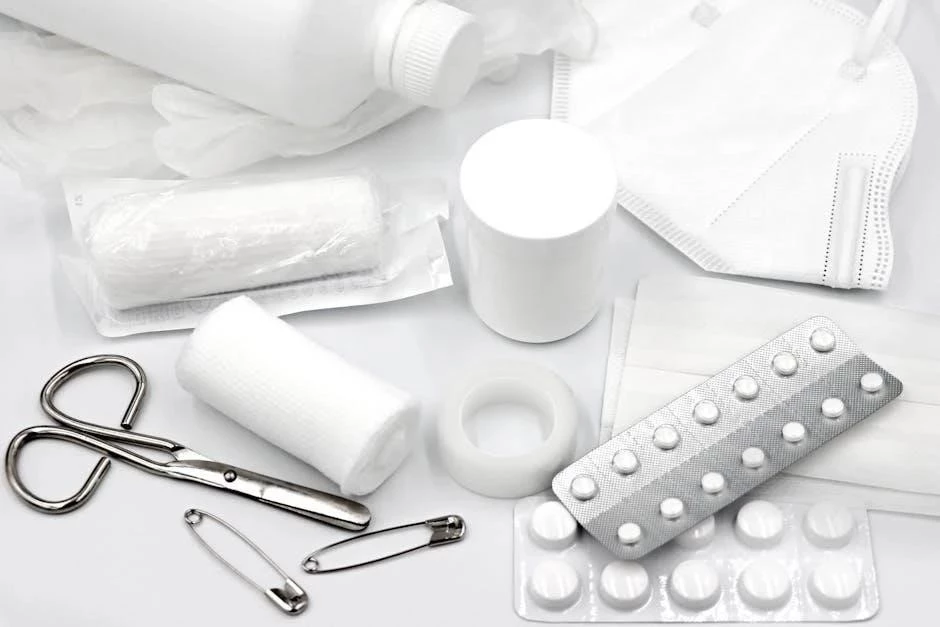
- Sterile Saline Pods: These single-use containers are preferred in NYC apartments to avoid the risk of contamination found in large, multi-use bottles.
- Splash Shields: Given the confined spaces of many New York homes, splash shields are used on syringes to protect both the patient and the environment from aerosolized pathogens during the irrigation process.
- Antiseptic Swabs: Used to clean the edges of the wound and the surrounding skin, ensuring that the boundaries of the wound are as sterile as the center.
- Gauze and Packing: For deep wounds (undermining or tunneling), the nurse uses sterile gauze soaked in irrigation solution to ensure every hidden pocket is reached and cleaned.
- Hazardous Waste Disposal: Professional nurses manage the safe disposal of soiled dressings and sharps, adhering to NYC Department of Sanitation guidelines for medical waste to keep the home and community safe.
Recognizing Red Flags: When to Contact Emergency Services
- Sudden Mental Change: If the patient becomes confused, lethargic, or unusually agitated, it may indicate that an infection has become systemic (sepsis).
- Uncontrolled Rigors: Shivering or “the chills” despite a warm room is a classic sign of bacteria entering the bloodstream.
- Streaking Redness: Red lines radiating away from the wound site (lymphangitis) require immediate medical attention at an emergency room.
- Hypothermia or High Fever: A temperature above 101.3 F or below 95.0 F is a significant indicator of a severe inflammatory response.
- Decreased Urine Output: This can be a sign that the kidneys are struggling due to systemic infection, a hallmark of advancing sepsis.
Medicaid and Insurance Coverage for At-Home Wound Care
- NYC Medicaid Managed Care: Most NYC Medicaid plans cover home health visits for wound care if the patient is homebound and the service is ordered by a doctor.
- CDPAP Program: The Consumer Directed Personal Assistance Program in New York allows some family members to be paid for care, but complex clinical tasks like deep wound irrigation usually require a licensed Registered Nurse (RN).
- Documentation Requirements: For insurance to cover ongoing Wound Care Management, the nurse must provide detailed documentation of the wound’s dimensions, appearance, and the medical necessity of the irrigation procedure.
- Medicare Part B: For seniors, Medicare often covers 80% of the cost of wound care supplies and nursing visits, provided the care is delivered by a certified home health agency (CHHA).
- Navigating Denials: NYC residents have access to various advocacy groups that help when insurance companies deny necessary home care services. Always keep a copy of the Wound irrigation nurse guide NYC provided by your healthcare team to support your claims.
For more information on health standards and patient rights in New York, visit the NY State DOH website.
Nurse Insight: In my experience, many families in NYC try to save money by using a bulb syringe or pouring saline directly from a bottle. I always tell my patients: it’s not just the fluid, it’s the pressure. Without that consistent 8-15 PSI, you aren’t really cleaning the wound—you’re just getting it wet. Investing in a professional nurse to perform irrigation at least twice a week can be the difference between a wound that heals and a wound that leads to a hospital stay at NYU Langone.
Frequently Asked Questions
How often should wound irrigation be performed at home?
The frequency of wound irrigation is typically determined by the primary care physician or the visiting nurse, usually occurring during every dressing change, which can range from daily to three times a week depending on the wound’s exudate levels and infection status.
Is tap water safe for wound irrigation in NYC?
While NYC tap water is high quality, clinical standards for professional Wound Care Management generally require sterile saline or a prescribed antimicrobial solution to ensure no pathogens are introduced to a deep or surgical wound.
What are the signs that a wound is becoming septic?
Early signs of sepsis include high fever, shivering, extreme pain, a rapid heart rate, and mental confusion; locally, the wound may show spreading redness (cellulitis), increased warmth, and a foul odor.
Does NYC Medicaid cover professional home nursing for wound care?
Yes, NYC Medicaid and many private insurance plans cover home health care services, including professional wound irrigation, when deemed medically necessary and ordered by a licensed physician.
What is the ideal pressure for irrigating a chronic wound?
The clinical standard for safe irrigation is between 4 and 15 PSI; typically, a 35 mL syringe with a 19-gauge angiocatheter provides approximately 8 PSI, which is enough to remove bacteria without damaging healthy granulating tissue.
Contact ProLife Home Care NYC for a free clinical assessment:(718) 232 – 2777