

As a senior nurse who has spent years helping families navigate the complexities of home care in New York City, I know that ensuring a loved one has the right supplies is a labor of love. My priority is to help your family reduce the stress of logistics so you can focus on the emotional well-being of your household members. Navigating the world of catheter supply delivery Medicaid NYC should not be a burden you carry alone. We are here to ensure that your family receives the highest standard of care and the most reliable equipment available through the state’s programs.
Clinical Quick Answer
Eligible NYC Medicaid recipients can access comprehensive catheter supply delivery Medicaid NYC services which cover the full cost of urological supplies with zero out-of-pocket expenses. To qualify, a physician must document medical necessity and submit a detailed prescription to a licensed Durable Medical Equipment (DME) provider. This program ensures that Free Medical Equipment, including catheters and hygiene kits, is delivered directly to the patient’s residence across all five boroughs.
Understanding Eligibility for Catheter Supply Delivery Medicaid NYC
For New York City residents, Medicaid serves as a vital lifeline for managing chronic conditions that require urological intervention. The process for securing catheter supply delivery Medicaid NYC is structured to ensure that no patient is left without essential care. In 2026, the criteria remain focused on ‘medical necessity,’ a clinical determination made by a healthcare provider. This means the patient must have a documented condition—such as neurogenic bladder, urinary retention, or spinal cord injury—that prevents normal bladder function.
- Active NYC Medicaid Enrollment: The recipient must have an active Medicaid ID number and reside within the five boroughs.
- Physician Certification: A licensed doctor or nurse practitioner must sign off on the specific type and frequency of catheter use.
- Managed Care Coordination: Most NYC residents are part of a Managed Care Organization (MCO) or Managed Long Term Care (MLTC) plan which coordinates these deliveries.
- Documentation Requirements: Clinical notes must support why a specific type of catheter (e.g., hydrophilic vs. standard) is required for the patient’s safety.
Accessing Free Medical Equipment in the Five Boroughs
The term Free Medical Equipment is frequently used in the context of NYC Medicaid because, unlike private insurance, there are often no deductibles or co-insurance for disposable medical supplies. This is particularly important for families living on fixed incomes in high-cost areas like Manhattan or Brooklyn. When we talk about urological supplies, this coverage extends beyond just the catheter itself to include a full range of ancillary products needed for safe and sterile usage at home.
- Drainage Bags: Both leg bags for daytime mobility and large-capacity bedside bags for overnight use are covered.
- Insertion Kits: These include sterile gloves, drapes, and antiseptic swabs to prevent Urinary Tract Infections (UTIs).
- Lubricants: Sterile, single-use lubricant packets are provided to ensure comfortable and safe insertion.
- Skin Barrier Products: For those using external catheters, skin prep wipes and adhesives are included to prevent skin breakdown.
The Prescription and Ordering Process for 2026
Obtaining your catheter supply delivery Medicaid NYC starts in the doctor’s office. In 2026, many providers use electronic prescribing, but for DME (Durable Medical Equipment), a detailed “Letter of Medical Necessity” is often still required. This letter must specify the quantity of supplies needed for a 30-day or 90-day period. Once the prescription is generated, it is sent to a specialized medical supply company that handles the logistics of home delivery.
- Step 1: Consult with a urologist or primary care physician to determine the best catheterization protocol.
- Step 2: Ensure the provider specifies the exact brand or features (such as ‘coude tip’ or ‘closed system’) if clinically required.
- Step 3: Choose a Medicaid-contracted delivery service that specializes in urology to ensure they stock high-quality products.
- Step 4: Verify that the delivery schedule aligns with the patient’s usage rate to avoid gaps in supply.
Navigating NYC Logistics: Delivery to Apartments and High-Rises
Living in New York City presents unique challenges for the delivery of Free Medical Equipment. From walk-up apartments in Queens to high-security buildings in the Financial District, ensuring that your catheter supply delivery Medicaid NYC arrives safely at your door requires coordination. Modern DME providers in the city have adapted to these challenges by offering discreet packaging and flexible delivery windows.
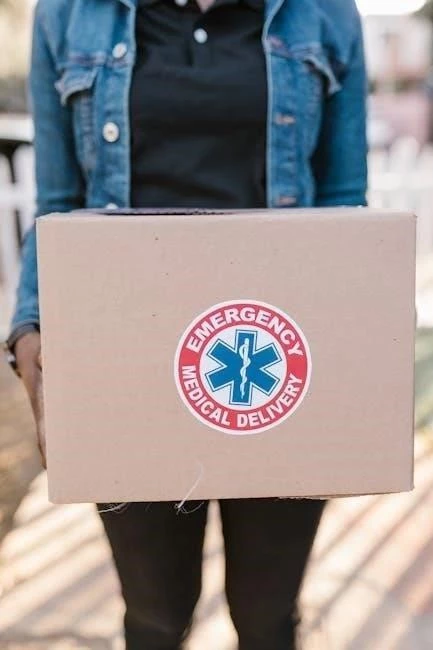
- Discreet Packaging: Supplies are usually shipped in plain brown boxes to protect patient privacy in shared hallways or mailrooms.
- Delivery Tracking: Most vendors now provide SMS or email alerts so family members know exactly when the shipment will arrive.
- Authorized Signatures: If you live in a building without a doorman, you may need to sign a waiver allowing the package to be left in a secure area.
- Emergency Shipments: Reliable vendors offer expedited shipping if there is a sudden change in a patient’s medical condition or if supplies are lost.
Clinical Best Practices for Home Catheterization
As a nurse, I cannot stress enough the importance of technique when using your catheter supply delivery Medicaid NYC. Having the best supplies in the world is only half the battle; using them correctly is what prevents complications like sepsis or bladder stones. The goal of providing Free Medical Equipment is to empower the patient or caregiver to perform these tasks safely in the comfort of their own home, reducing the need for hospital visits.
- Hand Hygiene: Always wash hands thoroughly with soap and water before handling any sterile supplies.
- Single-Use Policy: Intermittent catheters are designed for one-time use only; cleaning and reusing them significantly increases the risk of infection.
- Proper Storage: Keep supplies in a cool, dry place away from direct sunlight to maintain the integrity of the plastics and lubricants.
- Monitoring Output: Keep a log of urine volume and color, and contact your healthcare provider if you notice cloudiness or blood.
Resources and Advocacy through the NY State DOH
If you encounter difficulties in securing your catheter supply delivery Medicaid NYC, it is important to know your rights as a beneficiary. The New York State Department of Health (DOH) oversees the Medicaid program and sets the standards for DME providers. If a provider denies a specific type of catheter that your doctor has prescribed, you have the right to an internal appeal and a Fair Hearing. You can find more information on the official NY State DOH website regarding your coverage rights.
- Fair Hearings: If coverage is denied, you can request a formal review by the state to overturn the decision.
- Ombudsman Programs: Independent advocates are available to help seniors and those with disabilities navigate Medicaid disputes.
- Annual Reviews: Be prepared for an annual re-certification process where your doctor must confirm that the medical necessity for supplies still exists.
- Updated Formularies: Medicaid lists of covered items are updated periodically; stay in touch with your provider to see if newer, more comfortable technology has become available.
Nurse Insight: In my experience, the biggest hurdle for NYC families isn’t the availability of supplies, but the communication between the doctor and the supply company. I always tell my patients to keep a physical copy of their current prescription. If a delivery is delayed, having that paperwork allows you to call the vendor with the exact authorization codes, which speeds up the resolution process significantly. Never wait until your last catheter to call for a refill!
Frequently Asked Questions
Can I get specialized catheters like hydrophilic or closed systems through NYC Medicaid?
Yes, but they require specific documentation. Your doctor must explain why standard catheters are not suitable—for example, if you have frequent UTIs or limited hand dexterity that makes a closed system necessary for sterile technique.
What should I do if my catheter supply delivery Medicaid NYC is late?
First, contact the DME provider’s customer service line. If they cannot provide a tracking number or a clear delivery date, contact your Medicaid Managed Care plan’s member services to file a grievance and request an emergency supply.
Is there a limit on how many catheters I can receive per month?
Medicaid follows clinical guidelines which usually allow for up to 200 intermittent catheters per month, depending on the frequency of catheterization prescribed by your doctor (e.g., 6 times per day).
Do I need to pay for shipping for my Free Medical Equipment?
No. Under NYC Medicaid rules, the provider is responsible for all costs associated with getting the medically necessary supplies to your residence. You should never be asked to pay a delivery fee.
How do I update my address for deliveries if I move within NYC?
You must update your address in two places: with the Human Resources Administration (HRA) or NY State of Health, and directly with your DME provider. This ensures your coverage remains active and your supplies reach your new home without interruption.
Contact ProLife Home Care NYC for a free clinical assessment:(718) 232 – 2777