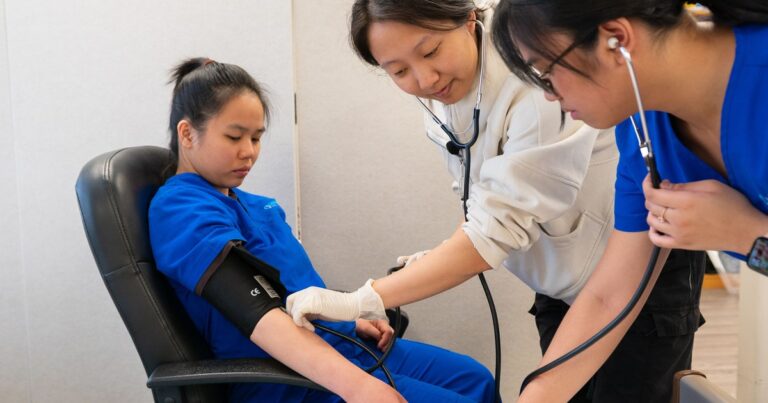
As a Senior Nurse serving the diverse communities of New York City, I understand that your family’s health and safety are your highest priorities. Navigating the world of home care can be overwhelming, but ensuring your caregiver is properly trained is the foundation of a safe home environment. Our HHA in-service training NYC programs are designed not just to meet state rules, but to provide the clinical excellence your loved ones deserve. We believe that a well-educated aide is a family’s strongest ally in maintaining independence and dignity at home.
Clinical Quick Answer
Annual HHA in-service training NYC is a mandatory 12-hour educational requirement mandated by the New York State Department of Health to ensure caregivers maintain high standards of clinical competency. These training modules, often overseen by professional Nurse Services, cover vital areas such as infection control, patient safety, and chronic disease management. Continuous education is essential for HHAs to adapt to the evolving healthcare needs of New York’s elderly and disabled populations.
Regulatory Compliance and New York State Mandates
For any Home Health Aide working within the five boroughs, staying compliant with the NY State DOH is the first step in providing professional care. The 12-hour annual requirement is not merely a suggestion; it is a legal safeguard to ensure that every individual receiving home care is in the hands of a competent professional. These sessions serve as a refresher on the scope of practice, reminding aides what they can and cannot do under their certification.
- Review of the HHA Scope of Practice: Ensuring aides do not perform tasks reserved for Licensed Practical Nurses (LPNs) or Registered Nurses (RNs).
- HIPAA and Patient Confidentiality: Protecting the sensitive health information of New York families in an increasingly digital world.
- Mandatory Reporting: Training aides to recognize signs of elder abuse, neglect, or financial exploitation and the proper channels for reporting.
- Documentation Standards: Teaching the importance of accurate, timely, and objective charting in the patient’s daily care log.
- Workplace Ethics: Maintaining professional boundaries while providing compassionate care in a home setting.
Advanced Infection Control in Urban Settings
In a densely populated environment like NYC, infection control is a critical component of HHA in-service training NYC. From seasonal influenza to the ongoing management of COVID-19 and other emerging pathogens, HHAs are the front line of defense for vulnerable populations. Nurse Services emphasize that proper hand hygiene and the correct use of Personal Protective Equipment (PPE) can prevent hospitalizations and save lives.
- Hand Hygiene Mastery: Understanding when and how to use soap and water versus alcohol-based sanitizers.
- Standard and Transmission-Based Precautions: Knowing when to implement contact, droplet, or airborne precautions in the home.
- Safe Disposal of Biohazards: Proper handling of contaminated linens, wound dressings, and sharps (needles) if applicable.
- Cleaning and Disinfection: Using EPA-approved disinfectants on high-touch surfaces within the patient’s living area.
- Personal Health and Wellness: Encouraging HHAs to monitor their own symptoms and stay home when ill to protect their clients.
Patient Safety and Fall Prevention Strategies
Falls are the leading cause of injury for seniors in New York City, often exacerbated by the cramped living conditions found in many apartments. Effective HHA in-service training NYC focuses on environmental assessments and safe transfer techniques. When an aide is trained by professional Nurse Services, they learn to see the home through a “safety lens,” identifying hazards that others might overlook.
- Home Hazard Identification: Spotting loose rugs, poor lighting, and cluttered pathways that increase fall risks.
- Proper Transfer Techniques: Utilizing gait belts, Hoyer lifts, and pivot transfers safely to protect both the aide and the patient.
- Assistive Device Maintenance: Checking that walkers, canes, and wheelchairs are in good working order and properly fitted.
- Emergency Response: Knowing exactly what to do if a patient falls, including when to call 911 and when to contact the supervising nurse.
- Orthostatic Hypotension Awareness: Teaching aides to help patients rise slowly to prevent dizziness and fainting.
Chronic Disease Management and Vital Signs
Many home care recipients in NYC struggle with multiple chronic conditions such as diabetes, hypertension, and Congestive Heart Failure (CHF). HHA in-service training NYC must include clinical modules on monitoring vital signs and recognizing the early warning signs of a condition’s exacerbation. This proactive approach by Nurse Services reduces the likelihood of emergency room visits.
- Accurate Vital Sign Monitoring: Mastering the techniques for measuring blood pressure, pulse, respirations, and temperature.
- Diabetes Care Basics: Recognizing the signs of hypoglycemia (low blood sugar) and hyperglycemia (high blood sugar).
- CHF Awareness: Monitoring for sudden weight gain, swelling in the lower extremities (edema), and increased shortness of breath.
- Medication Reminders: Ensuring the HHA understands their role in prompting patients to take medications as prescribed by their doctor.
- Nutritional Support: Preparing meals that adhere to specific dietary restrictions, such as low-sodium or cardiac-friendly diets.
Cultural Competency and Communication
New York City is a melting pot of cultures, languages, and traditions. For an HHA, being culturally competent is just as important as being clinically skilled. Nurse Services highlight that effective communication builds trust between the caregiver, the patient, and the family, which is essential for successful long-term care outcomes.
- Understanding Diverse Cultural Norms: Respecting dietary laws, religious practices, and different perspectives on illness and aging.
- Effective Verbal and Non-Verbal Communication: Using clear language and active listening skills to understand the patient’s needs.
- Dealing with Difficult Behaviors: Techniques for de-escalating situations, especially with patients suffering from dementia or mental health issues.
- End-of-Life Care Sensitivity: Providing compassionate support to families during hospice care or the final stages of a terminal illness.
- Language Access: Utilizing translation services or tools when a language barrier exists between the aide and the patient.
Emergency Preparedness and Crisis Intervention
Whether it is a power outage, a summer heatwave, or a medical emergency, HHAs must be prepared to act quickly and calmly. In NYC, emergency preparedness is a core pillar of annual training. Aide education through Nurse Services ensures that even in the most stressful moments, the caregiver knows the protocols to follow to keep the patient safe.
- Basic First Aid and CPR: Maintaining current knowledge of life-saving techniques (while staying within the scope of an HHA).
- Fire Safety: Knowing the locations of extinguishers, exit routes in apartment buildings, and how to evacuate a non-ambulatory patient.
- Disaster Preparedness: Ensuring the patient has an “emergency bag” with essential medications, documents, and supplies.
- Recognizing Medical Emergencies: Identifying the signs of a stroke (FAST) or a heart attack and taking immediate action.
- NYC-Specific Resources: Knowing how to contact 311 for non-emergencies and understanding the city’s resources during extreme weather events.
Nurse Insight: In my experience, the most successful Home Health Aides are those who treat their 12 hours of in-service training as an opportunity to grow, not just a box to check. I always tell my staff that the care you provide is only as good as the knowledge you keep fresh; If you are a family member, don’t be afraid to ask your Nurse Services provider for the training transcripts of your caregiver. It shows you are an active participant in your loved one’s health, and it keeps the standard of care high across our city.
Frequently Asked Questions
How many hours of in-service training are required for HHAs in NYC annually?
According to the New York State Department of Health (DOH) regulations, every Home Health Aide (HHA) must complete a minimum of 12 hours of in-service training during each 12-month period to maintain their certification and employment eligibility.
What happens if an HHA fails to complete their 12 hours of training?
If an HHA does not complete the required 12 hours of annual in-service training, they become non-compliant with state regulations. This typically results in the suspension of their ability to work on cases until the training is completed and documented by their employer or a licensed Nurse Services provider.
Can HHA in-service training be completed online in New York?
Yes, New York State allows for certain portions of the training to be conducted via remote or digital platforms, provided the curriculum is approved by the DOH and includes interactive elements. However, many agencies prefer in-person sessions for hands-on skills assessments like transfer techniques or vital sign monitoring.
Who is responsible for providing and documenting HHA in-service training?
The Licensed Home Care Services Agency (LHCSA) or the Nurse Services provider employing the HHA is responsible for ensuring the training is provided, supervised by a Registered Nurse (RN), and accurately documented in the aide’s personnel file.
Do specialized topics like Alzheimer’s care count toward the 12-hour requirement?
Absolutely. Specialized topics such as dementia care, palliative care, and advanced infection control are excellent choices for in-service modules and count directly toward the mandatory 12-hour annual requirement.

Contact ProLife Home Care NYC for a free clinical assessment:(718) 232 – 2777