Navigating the complexities of home care in New York City can be overwhelming for families trying to ensure their loved ones receive the highest quality of support. As a Senior NYC Nurse, I have seen firsthand how a meticulous Nursing Assessment NYC can be the turning point in stabilizing a senior at home. My goal is to bridge the gap between clinical requirements and the compassionate care your family deserves. By utilizing a comprehensive HHA skills checklist for nurses, we ensure that every aide entering your home is not just a helper, but a verified professional capable of maintaining your loved one’s safety and dignity.
Clinical Quick Answer
The HHA skills checklist for nurses is a mandatory validation tool used to verify that Home Health Aides possess the technical proficiency to execute the plan of care safely. In the context of a Nursing Assessment NYC, this checklist ensures compliance with New York State Department of Health regulations and Medicaid requirements for MLTC plans. Proper implementation of this checklist by a Registered Nurse reduces hospital readmissions and optimizes the delivery of personalized home care services.
The Foundation of Nursing Assessment NYC
In the bustling healthcare landscape of New York City, a Nursing Assessment NYC is far more than a simple check-up. It is a comprehensive evaluation of a patient’s physical, emotional, and environmental status. When an RN enters a home in the five boroughs, they are looking for specific indicators that determine the level of care required. This assessment is the cornerstone of the Managed Long Term Care (MLTC) system, which dictates how many hours of care a patient receives. The assessment covers everything from cognitive function to the structural safety of the home, ensuring that the patient can age in place securely.
- Evaluating Chronic Conditions: Nurses assess how diseases like diabetes, COPD, or congestive heart failure are being managed within the home environment.
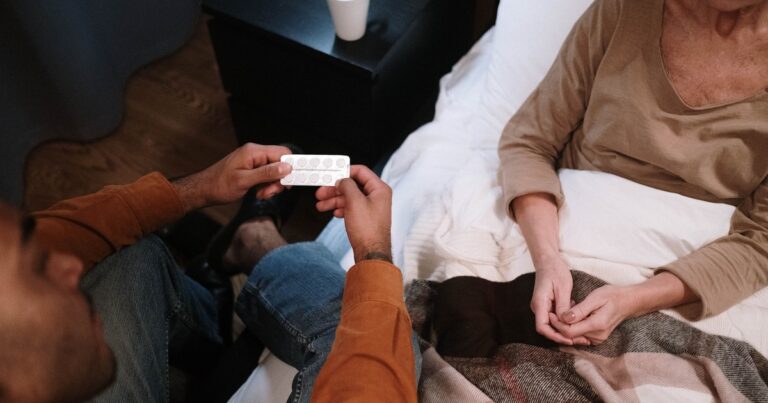
- Medication Reconciliation: A critical step where the RN compares the patient’s prescriptions to what they are actually taking, identifying potential drug interactions.
- Environmental Hazards: NYC apartments often present unique challenges, such as narrow hallways or steep entryways, which must be factored into the safety plan.
- Psychosocial Well-being: Assessing the patient’s mental health and social support system to prevent isolation and depression.
- Functional Limitation Review: Determining the patient’s ability to perform Activities of Daily Living (ADLs) and Instrumental Activities of Daily Living (IADLs).
- UAS-NY Integration: Ensuring the assessment aligns with the Uniform Assessment System for New York, which is the gold standard for Medicaid eligibility.
Vital Components of the HHA Skills Checklist for Nurses
To provide high-quality care, the HHA skills checklist for nurses acts as a quality control mechanism. It is not enough for an aide to say they know how to do something; a Registered Nurse must observe and sign off on their competency. This checklist is a living document that follows the aide and the patient throughout their care journey. It focuses on the technical skills that prevent common home care injuries, such as pressure ulcers or falls during transfers. By standardizing these expectations, agencies can ensure a uniform level of excellence across all their clinical staff.
- Accurate Vital Signs: Verification that the aide can correctly measure blood pressure, pulse, respiration, and temperature.
- Safe Patient Transfers: Observing the use of gait belts, walkers, and wheelchairs to ensure the patient is moved without risk of injury to themselves or the aide.
- Proper Body Mechanics: Teaching the aide how to lift and pivot correctly to prevent workplace injuries and ensure patient stability.
- Infection Control Proficiency: Ensuring the aide follows strict handwashing protocols and uses Personal Protective Equipment (PPE) appropriately.
- Skin Integrity Monitoring: Training the aide to look for redness or sores, which are early signs of pressure ulcers that require immediate nursing intervention.
- Recording and Reporting: Testing the aide’s ability to document care accurately and recognize when a change in the patient’s condition necessitates a call to the RN.
Safety and Emergency Protocols in the Home
The home is a dynamic environment, and safety is never guaranteed. A crucial part of the Nursing Assessment NYC is the creation of an emergency preparedness plan. Nurses must ensure that HHAs are fully prepared to act when things go wrong. Whether it is a medical emergency like a stroke or an external emergency like a power outage or fire, the aide’s response is often the difference between a minor incident and a tragedy. The checklist provides a framework for these “what-if” scenarios, ensuring the aide knows the specific protocols for the patient’s unique health profile.
- Emergency Contact Utilization: Ensuring the aide knows exactly who to call—EMS, the nursing supervisor, or the family—depending on the severity of the situation.
- Fall Prevention Strategies: Implementing specific interventions, such as removing throw rugs or improving lighting, as identified during the assessment.
- Choking and Aspiration Precautions: Training aides on the Heimlich maneuver and proper positioning during feeding, especially for patients with dysphagia.
- Fire Safety and Evacuation: Planning exit routes in NYC apartment buildings and ensuring the aide knows how to assist a non-ambulatory patient during an alarm.
- Disaster Preparedness: Stocking emergency supplies and understanding the patient’s needs during urban emergencies, such as heatwaves or winter storms.
- First Aid Basics: Verifying the aide’s knowledge of basic wound care and how to respond to minor burns or cuts until a nurse arrives.
Activities of Daily Living (ADLs) and Quality Care
The core of an HHA’s daily responsibility involves assisting with ADLs. However, there is a “clinical” way to perform these tasks that maximizes patient independence and health. When using the HHA skills checklist for nurses, the RN evaluates how the aide handles personal care. This is where the Nursing Assessment NYC translates into daily action. For example, if a patient has restricted mobility in one arm due to a stroke, the checklist ensures the aide knows how to dress the patient in a way that protects the affected limb and encourages the patient to use their functional side.
- Bathing and Personal Hygiene: Ensuring the aide maintains the patient’s privacy while providing thorough care to prevent skin breakdown and infections.
- Oral Care and Grooming: Promoting dignity and preventing dental issues through regular, careful oral hygiene routines.
- Nutritional Support: Verifying that the aide can follow specific dietary restrictions (e.g., low sodium or diabetic diets) and monitor fluid intake to prevent dehydration.
- Assistance with Toileting: Managing incontinence with sensitivity and ensuring that the patient is kept dry and clean to avoid urinary tract infections.
- Range of Motion Exercises: If prescribed, ensuring the aide can safely perform passive or active exercises to maintain joint flexibility.
- Dressing and Undressing: Teaching the aide how to assist with clothing while managing medical devices like oxygen tubing or catheters.
Communication and Documentation Standards
In the complex web of NYC healthcare, communication is the thread that holds everything together. An HHA is the “eyes and ears” of the Registered Nurse. The HHA skills checklist for nurses must therefore include a section on effective communication. Nurses rely on the aide’s reports to make clinical decisions, adjust medication, or order new supplies. Inaccurate or missing documentation can lead to gaps in care or even legal issues regarding Medicaid compliance. Training the aide to document objective facts rather than subjective opinions is a vital part of the RN’s oversight role.
- Daily Duty Logs: Ensuring the aide documents every task performed according to the plan of care developed during the Nursing Assessment NYC.
- Observing Behavioral Changes: Training the aide to notice subtle shifts in mood or cognition, which could indicate a hidden infection or medication side effect.
- Professionalism and Ethics: Setting clear boundaries for the aide-patient relationship to ensure a professional and respectful home environment.
- HIPAA Compliance: Ensuring the aide understands the importance of patient confidentiality and the legal ramifications of sharing health information.
- Electronic Visit Verification (EVV): Training the aide on NYC’s mandatory time-tracking systems to ensure accurate billing and attendance.
- Reporting Red Flags: Clearly defining what constitutes an “immediate report” versus a “next shift report” to the supervising nurse.
The Role of RN Oversight in Medicaid Compliance
New York State has some of the most rigorous regulations for home care in the country. The Nursing Assessment NYC is the primary tool used by the state to monitor the quality of care provided to Medicaid recipients. Registered Nurses are responsible for ensuring that the care delivered matches the care authorized. Using a standardized HHA skills checklist for nurses protects the agency and the nurse’s license by providing proof of diligent supervision. This oversight ensures that the patient remains eligible for services and that the agency meets the standards set by the NY State DOH.
- Compliance Audits: Regular review of checklists and assessment notes to prepare for state and federal audits.
- Plan of Care Adjustments: The RN must update the plan of care at least every six months, or more frequently if the patient’s condition changes.
- Supervisory Visits: In-person visits by the RN to observe the HHA in action and verify that the skills on the checklist are being applied correctly.
- Coordination of Care: The RN acts as the liaison between the HHA, the primary care physician, and the MLTC plan.
- Quality Improvement: Using data from skills checklists to identify areas where aides may need additional training or support.
- Advocating for the Patient: Ensuring the patient receives the appropriate number of hours and the correct level of clinical intervention based on ongoing assessments.
Nurse Insight: In my experience, the most successful home care outcomes happen when the HHA feels like a valued part of the clinical team. Don’t just treat the HHA skills checklist for nurses as a bureaucratic requirement; use it as a teaching tool to empower the aide. When an aide understands the ‘why’ behind a transfer technique or a dietary restriction, they are much more likely to perform the task with the precision and care your family member needs. Always encourage your aide to speak up if they notice something ‘off’—their intuition, backed by your clinical training, is the best defense against patient decline.
Frequently Asked Questions
What is a Nursing Assessment NYC and who performs it?
A Nursing Assessment NYC is a clinical evaluation of a patient’s health and home environment, typically performed by a Registered Nurse (RN). It is used to determine the necessary level of care for home-based services, particularly for those enrolled in Medicaid Managed Long Term Care (MLTC) programs in New York City.
Is the HHA skills checklist for nurses mandatory in New York?
Yes, New York State Department of Health regulations require that Home Health Aides be supervised by an RN and that their competency in specific tasks be verified and documented. The HHA skills checklist is the standard tool used to fulfill this legal and clinical requirement.
How can I tell if my HHA is properly trained according to the checklist?
You can ask the home care agency’s supervising nurse to review the aide’s competency record with you. A properly trained aide will demonstrate confidence in tasks like using a Hoyer lift, taking blood pressure, and following infection control procedures as outlined in the HHA skills checklist for nurses.
Does a Nursing Assessment NYC include a home safety check?
Absolutely. A major component of the assessment is identifying potential hazards such as poor lighting, lack of grab bars in the bathroom, or cluttered walkways. The nurse will provide recommendations to modify the home environment to reduce the risk of falls and injuries.
What should I do if I feel the Nursing Assessment NYC did not result in enough care hours?
If you disagree with the results of an assessment, you have the right to appeal the decision through your MLTC plan. You can also request a re-assessment if there has been a significant change in the patient’s medical condition or functional abilities since the last evaluation.
Contact ProLife Home Care NYC for a free clinical assessment:(718) 232 – 2777