{
“@context”: “https://schema.org”,
“@type”: “FAQPage”,
“mainEntity”: [
{
“@type”: “Question”,
“name”: “How long does Personal care aide training Bronx typically take to complete?”,
“acceptedAnswer”: {
“@type”: “Answer”,
“text”: “In the Bronx, a standard PCA training program approved by the New York State Department of Health consists of 40 hours of instruction. This can usually be completed in one to two weeks depending on the schedule of the training facility or home care agency.”
}
},
{
“@type”: “Question”,

“name”: “What is the primary purpose of the Nursing Evaluation in home care?”,
“acceptedAnswer”: {
“@type”: “Answer”,
“text”: “The Nursing Evaluation is a clinical assessment performed by a Registered Nurse to determine a patient’s functional status, medical needs, and safety requirements. This evaluation is used to create a personalized Plan of Care that dictates the tasks a PCA will perform and the number of hours authorized for services.”
}
},
{
“@type”: “Question”,
“name”: “Are there free PCA training classes available in the Bronx?”,
“acceptedAnswer”: {
“@type”: “Answer”,
“text”: “Yes, many licensed home care services agencies (LHCSAs) in the Bronx offer free PCA training to candidates who agree to work for them upon certification. These programs are a great way for residents to start a healthcare career without upfront tuition costs.”
}
},
{
“@type”: “Question”,
“name”: “Do I need a high school diploma to enroll in PCA training?”,
“acceptedAnswer”: {
“@type”: “Answer”,
“text”: “While many employers prefer a high school diploma or GED, it is not always a strict state requirement for PCA certification. However, candidates must demonstrate the ability to read, write, and follow medical instructions in English or the patient’s primary language.”
}
},
{
“@type”: “Question”,
“name”: “What happens if a patient’s condition changes after the initial Nursing Evaluation?”,
“acceptedAnswer”: {
“@type”: “Answer”,
“text”: “If a patient’s health status declines or improves, a follow-up Nursing Evaluation must be requested. This ensures the Plan of Care is updated and that the patient receives the appropriate level of intervention and supervision from their aide.”
} }
]
}
As a senior nurse who has spent years navigating the healthcare landscape of the Bronx, I understand how overwhelming it can be to find quality care for your aging parents or disabled family members. Your family’s comfort depends heavily on the competence and compassion of the individuals entering your home to provide daily assistance. Choosing the right educational path for a caregiver is not just about a certificate; it is about ensuring your loved ones are treated with the clinical dignity they deserve. In our community, we pride ourselves on looking out for one another, and finding the best training is the first step in that commitment to family safety.
Clinical Quick Answer
Personal care aide training Bronx programs provide the essential 40-hour state-mandated curriculum covering infection control, nutrition, and patient mobility. Before services begin, a comprehensive Nursing Evaluation is performed by a Registered Nurse to assess the patient’s physical and cognitive needs, ensuring a safe environment. Successful completion of these steps allows caregivers to be listed on the New York State Home Care Worker Registry and provide professional assistance under Medicaid or private insurance.
Understanding the PCA Role in the Bronx Healthcare System
The role of a Personal Care Aide (PCA) is foundational to the New York City home care infrastructure. In the Bronx, where many residents rely on Medicaid-funded programs like the Consumer Directed Personal Assistance Program (CDPAP) or traditional home care, the PCA serves as the primary support system for the elderly and those with chronic illnesses. Unlike a Home Health Aide (HHA), who may perform certain clinical tasks, a PCA focuses on Level II personal care services. This includes assistance with bathing, dressing, meal preparation, and light housekeeping. Understanding this distinction is crucial for families who are trying to match the right level of support to their loved one’s specific medical situation.
- PCAs provide essential non-medical support that allows seniors to age in place.
- They act as the “eyes and ears” for the medical team, reporting changes in a patient’s mood or physical state.
- Training ensures that aides follow standardized protocols for safety and hygiene.
- In the Bronx, PCAs often help bridge cultural and linguistic gaps within the home.
- A certified PCA has undergone background checks and health screenings mandated by the state.
Evaluating Personal Care Aide Training Bronx Programs
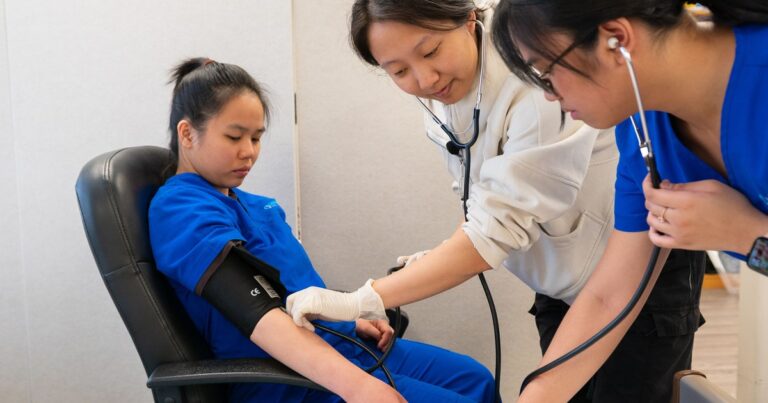
When searching for Personal care aide training Bronx, it is vital to select a program that is fully accredited by the New York State Department of Health (DOH) or the New York State Education Department. Many community colleges, vocational schools, and licensed home care agencies offer these classes throughout neighborhoods like Pelham Bay, Fordham, and Concourse. The curriculum is specifically designed to meet the 40-hour requirement, focusing heavily on the “soft skills” of caregiving as well as the mechanical aspects of transferring patients and preventing falls. Families should look for programs that emphasize hands-on clinical practice rather than just theoretical classroom learning.
- Verify that the training facility is on the official NY State approved list.
- Check if the program offers bilingual instruction if the aide or patient is primary Spanish-speaking.
- Look for courses that include modules on dementia and Alzheimer’s care, which are common in the Bronx.
- Ensure the training includes a component on emergency response and basic first aid.
- Ask about job placement assistance, as many Bronx agencies hire their graduates immediately.
The Significance of the Nursing Evaluation
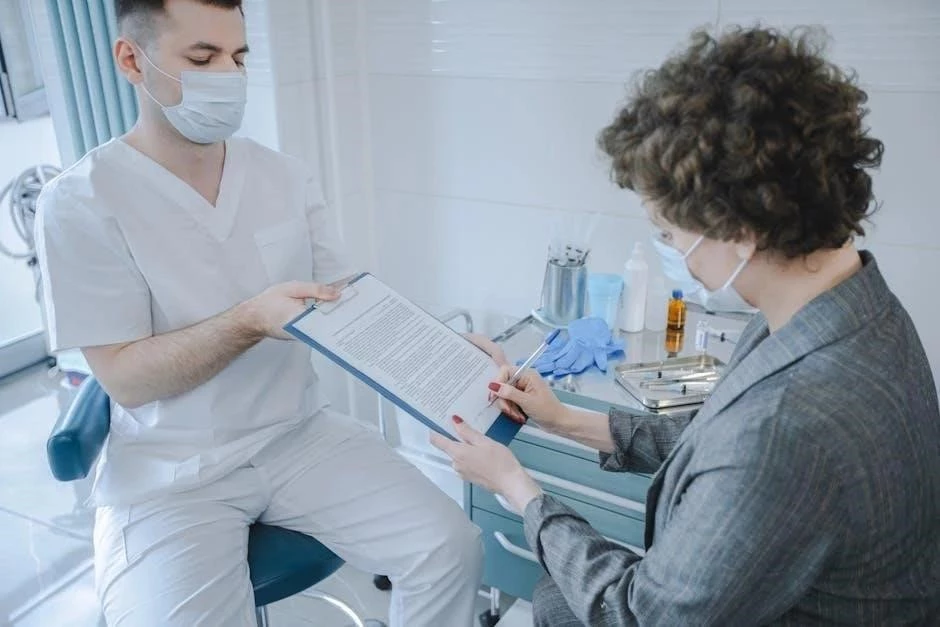
The Nursing Evaluation is the most critical clinical component of the home care onboarding process. Before a PCA can be assigned or begin their duties, a Registered Nurse (RN) must conduct an in-person assessment of the patient’s home and physical condition. This is often referred to as the UAS-NY (Uniform Assessment System) for those in Managed Long Term Care (MLTC) plans. During this evaluation, the nurse reviews the patient’s medications, surgical history, fall risk, and cognitive abilities. This process ensures that the tasks assigned to the PCA are safe and that the patient is receiving the correct number of hours of care per week.
- The evaluation determines the “Plan of Care” (POC) which the PCA must strictly follow.
- Nurses assess the home environment for hazards like loose rugs or poor lighting.
- The evaluation is a legal requirement for Medicaid reimbursement in NYC.
- It provides a baseline of health against which future changes can be measured.
- Family members should be present during this evaluation to provide historical context and voice concerns.
NY State DOH Standards and Compliance
Compliance with the NY State DOH guidelines is non-negotiable for anyone seeking to work as a PCA or for families hiring one. The state maintains a central registry to track certifications and ensure that caregivers do not have a history of patient abuse or neglect. For Bronx residents, this means that every “Personal care aide training Bronx” course must follow a specific syllabus that covers 20 to 40 hours of training. Furthermore, every PCA must undergo an annual health assessment, including a PPD (tuberculosis test) and proof of immunization, to maintain their active status on the registry.
- State law requires a minimum of 40 hours of initial training for Level II PCAs.
- In-service training (at least 6 hours annually) is required to keep skills current.
- The DOH monitors agencies in the Bronx to ensure they are conducting proper background checks.
- Certification from another state does not automatically transfer to New York without a competency review.
- Families can check the public registry to verify the status of a potential caregiver’s license.
Navigating Medicaid and MLTC in the Bronx
Most home care services in the Bronx are coordinated through Managed Long Term Care (MLTC) plans. For a family to access a PCA, the patient must usually be Medicaid-eligible and require assistance with more than one activity of daily living. The Nursing Evaluation mentioned earlier is often the gateway to these benefits. In the Bronx, many families opt for the CDPAP program, which allows the patient to hire their own PCA—often a family member or friend—who must still undergo a modified version of training and satisfy all clinical health requirements. Understanding the intersection of insurance and clinical assessment is key to getting the most support for your family.
- MLTC plans use the Nursing Evaluation to authorize the budget for care hours.
- The Bronx has a high density of MLTC providers, allowing for various choices in service delivery.
- Social workers at local Bronx hospitals can help initiate the Medicaid application process.
- PCAs must document their hours and tasks daily to remain compliant with Medicaid billing.
- Grievance procedures exist if the evaluation results in fewer hours than the family believes are necessary.
Clinical Best Practices for PCA Success
To ensure the best outcomes for patients in the Bronx, PCAs must go beyond the basic training. Clinical success involves rigorous adherence to infection control, especially in high-density housing where viruses can spread quickly. PCAs are trained in proper handwashing, the use of personal protective equipment (PPE), and the safe disposal of medical waste. Additionally, a well-trained aide knows how to document “ADLs” (Activities of Daily Living) accurately, which is essential for the ongoing Nursing Evaluation process. By maintaining high clinical standards, PCAs help reduce hospital readmissions at major Bronx medical centers like Montefiore or St. Barnabas.
- Consistent monitoring of hydration and nutrition is a primary PCA responsibility.
- Proper body mechanics during transfers prevent injuries to both the aide and the patient.
- Skin integrity checks are vital for patients who spend much of their time in bed or a wheelchair.
- Communication with the supervising RN is the cornerstone of effective care.
- PCAs should be trained in cultural sensitivity to respect the diverse backgrounds of Bronx residents.
Nurse Insight: In my experience, the most successful home care arrangements in the Bronx happen when the family views the Nursing Evaluation as a collaborative meeting rather than a test. Don’t be afraid to point out the small things the nurse might miss during a one-hour visit, such as a patient’s tendency to wander at night or their difficulty swallowing certain foods. When you provide a full picture, the resulting Plan of Care is much more effective, and the PCA can be trained specifically for those nuances. A certificate tells me they know the basics, but your input tells them how to care for your mother or father.
Frequently Asked Questions
How do I find a list of approved Personal care aide training Bronx providers?
You can find a list of approved providers by visiting the New York State Department of Health website or by contacting local Bronx-based home care agencies. Many agencies are licensed to provide the training themselves to prospective employees.
Is the Nursing Evaluation a one-time event?
No, the Nursing Evaluation is usually conducted every six months to a year, or whenever there is a significant change in the patient’s health status, such as a hospitalization or a new diagnosis.
Can I be a PCA for my own family member in the Bronx?
Yes, through the CDPAP program, family members can be paid to provide care. However, they must still pass a physical exam and meet certain background requirements, even if the formal 40-hour training is modified or waived based on the program’s specific rules.
What is the difference between a PCA Level I and Level II?
Level I PCAs generally focus on environmental tasks like housekeeping and shopping. Level II PCAs, which are more common, are trained to provide direct physical assistance with grooming, bathing, and mobility.
What should I do if the PCA isn’t following the Plan of Care established in the Nursing Evaluation?
You should immediately contact the nursing supervisor at the home care agency. The Plan of Care is a clinical mandate, and failure to follow it can compromise the patient’s safety and the aide’s certification.
Contact ProLife Home Care NYC for a free clinical assessment:(718) 232 – 2777