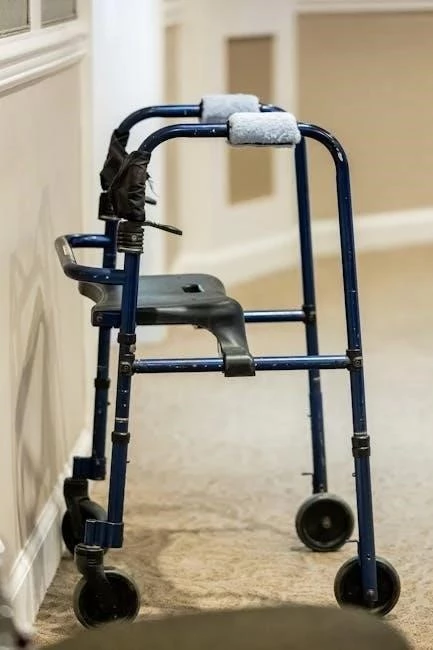
As a senior nurse who has spent decades assisting families through the complexities of the New York healthcare system, I understand that your primary concern is the dignity and safety of your loved ones at home. Navigating the financial requirements of private or Medicaid-funded care can be a source of significant stress, especially when trying to understand the shifting landscape of HHA pay rates NYC 2026. These scheduled wage increases are designed to ensure that the dedicated professionals entering your home are fairly compensated for their essential, life-sustaining work. By understanding the Home Care Aide Wage adjustments now, your family can better prepare for the future, ensuring that your parents or grandparents receive consistent, high-quality care from a stable and motivated workforce.
Clinical Quick Answer
The Home Care Aide Wage in New York City is legally mandated to reach a minimum of $21.09 per hour by January 1, 2026, as part of the state’s multi-year investment in the caregiving workforce. This figure represents the total minimum compensation, including the base minimum wage and the specific home care supplemental increase. Families utilizing HHA or PCA services should consult with their home care agencies or Medicaid Managed Care plans to understand how these HHA pay rates NYC 2026 will impact their specific care budgets or service hours.

Understanding the Legislative Foundation of the 2026 Wage Increases
The path toward the HHA pay rates NYC 2026 began with the “Fair Pay for Home Care” movement, a clinical and advocacy-led initiative aimed at addressing the severe shortage of home health workers in New York. State legislators recognized that the Home Care Aide Wage had historically lagged behind other entry-level positions, leading to high turnover rates and a decrease in the quality of care for vulnerable populations.
- The 2023-2024 New York State Budget codified a schedule of permanent raises for home care workers.
- By October 2023, the NYC home care minimum was set at $18.55 per hour.
- Subsequent annual increases were designed to keep home care wages significantly above the standard minimum wage to incentivize recruitment.
- The 2026 target of $21.09 reflects a $3.00 premium over the base minimum wage that was established in earlier legislative sessions.
- These increases are applicable to the five boroughs: Manhattan, Brooklyn, Queens, the Bronx, and Staten Island.
- Regulatory oversight from the New York State Department of Health (DOH) ensures that agencies pass these funds directly to the workers.
Clinical Implications of the Home Care Aide Wage Adjustments
From a nursing perspective, the Home Care Aide Wage is not just a financial metric; it is a clinical one. When HHAs and PCAs are paid a living wage, we observe a direct correlation with improved patient outcomes. Financial stability for the aide translates into lower stress and higher focus while performing critical tasks such as medication reminders, skin integrity checks, and fall prevention.
- Reduced Caregiver Burnout: Higher HHA pay rates NYC 2026 are expected to reduce the need for aides to work multiple jobs, allowing them to be more present and alert during their shifts.
- Continuity of Care: Stable wages mean aides are less likely to leave a case for a higher-paying retail or fast-food position, which is vital for patients with dementia who rely on familiar faces.
- Enhanced Training Opportunities: As the profession becomes more competitive, agencies are increasingly offering specialized training in areas like palliative care and diabetic management.
- Professionalization of the Workforce: Recognizing the HHA role as a career rather than a temporary job encourages long-term commitment to the field.
- Improved Reporting: Well-compensated aides are often more diligent in documenting changes in a patient’s condition, which allows nurses like myself to intervene before a situation becomes an emergency.
How HHA Pay Rates NYC 2026 Affect Medicaid and CDPAP
The majority of home care in New York City is funded through Medicaid Managed Long Term Care (MLTC) plans. This means that the increase in the Home Care Aide Wage is largely funded by the state through reimbursement rates provided to these plans and, subsequently, to the Licensed Home Care Services Agencies (LHCSAs).
- CDPAP Implications: Under the Consumer Directed Personal Assistance Program, family members and friends who act as caregivers are entitled to these same wage increases.
- Agency Billing: Home care agencies must adjust their billing structures to account for both the increased hourly wage and the associated payroll taxes and benefits.
- Fiscal Intermediaries: For those in CDPAP, the Fiscal Intermediary (FI) is responsible for ensuring the worker receives the mandated HHA pay rates NYC 2026.
- Budget Planning: Families who pay privately (Out-of-Pocket) should anticipate that agency service rates will rise proportionally with the mandated wage increases.
- Eligibility Stays the Same: While the cost of care increases, the medical necessity criteria for receiving hours do not change, though the state may look for efficiencies in how hours are allocated.
Comparing HHA vs. PCA Roles and Compensation Structures
While the minimum Home Care Aide Wage applies to both Home Health Aides and Personal Care Assistants, there are nuances in their roles and how they might be compensated above the minimum floor. In my clinical experience, understanding these differences helps families choose the right level of support.
- HHA (Home Health Aide): Requires 75 hours of training and can perform basic clinical tasks like checking vital signs or assisting with simple wound dressings. HHAs often command the higher end of the HHA pay rates NYC 2026.
- PCA (Personal Care Assistant): Usually requires 40 hours of training and focuses on Activities of Daily Living (ADLs) such as bathing, dressing, and meal preparation.
- Specialized Certifications: Aides with certifications in Alzheimer’s care or CPR may receive “differential pay,” which is an hourly rate above the state-mandated minimum.
- Difficult Cases: Some agencies offer higher rates for “heavy” cases, such as patients who require total mechanical lifting or those with significant behavioral challenges.
- Shift Differentials: Overnight, weekend, and holiday shifts often come with a higher hourly rate to ensure coverage during less desirable hours.
Navigating the Cost of Living and Workforce Stability in NYC
New York City has one of the highest costs of living in the world. The HHA pay rates NYC 2026 are a response to the reality that $15.00 or $18.00 per hour is no longer sufficient to sustain a household in the five boroughs. Workforce stability is the backbone of the New York healthcare system.
- Commuting Costs: Many aides travel between boroughs; the wage increase helps cover rising MTA fares and travel time.
- Housing Security: When aides have stable housing, they are more reliable and less likely to miss shifts due to personal crises.
- The “Care Gap”: By 2026, NYC is projected to have a significant gap between the number of seniors needing care and the number of available aides. Competitive wages are the primary tool to close this gap.
- State Budget Adjustments: The New York State DOH monitors these rates annually to ensure they are keeping pace with regional economic shifts.
- Public Health Impact: A stable home care workforce reduces the burden on NYC hospitals by preventing unnecessary ER visits and readmissions.
Preparing Your Family for 2026: Steps to Take Now
Planning for 2026 requires a proactive approach to your loved one’s care plan. Whether you are using a Medicaid agency or hiring through CDPAP, the increase in the Home Care Aide Wage will change the financial landscape. You can find more information on official regulations at the NY State DOH website.
- Review Your Care Plan: Meet with your nurse or case manager to ensure the current hours allocated are being used efficiently.
- Verify Agency Compliance: Ask your current home care agency for a breakdown of how they are implementing the HHA pay rates NYC 2026.
- Explore CDPAP: If you have a trusted family member or friend providing care, ensure they are enrolled with a Fiscal Intermediary that is ready for the 2026 transition.
- Long-Term Financial Planning: If you are paying privately, consult with a financial advisor about the sustainability of 24/7 care at the new projected rates.
- Stay Informed: Monitor updates from the New York State Department of Labor and the DOH for any changes to the scheduled wage hikes or indexing rules.
Nurse Insight: In my experience, the best care comes from caregivers who feel valued and respected. While the HHA pay rates NYC 2026 might seem like just another number on a budget, for your aide, it means the ability to provide for their own family. When an aide is financially secure, they bring a level of peace and dedication into your home that is truly priceless. I always tell my families: a well-paid aide is the most important member of your loved one’s clinical team.
Frequently Asked Questions
Will the HHA pay rates NYC 2026 increase my out-of-pocket costs?
If you are paying privately for home care, yes, you should expect your costs to rise. Most agencies will increase their hourly service rates to cover the higher Home Care Aide Wage and the associated payroll taxes. If you are on Medicaid, the state covers these increases through the MLTC plans.
Is $21.09 the absolute maximum an HHA can earn in 2026?
No, $21.09 is the projected minimum floor for HHA pay rates NYC 2026. Many aides earn more than the minimum based on their years of experience, specialized training, or the specific requirements of the patient’s care plan. High-demand agencies may offer even higher rates to attract the best talent.
How can I ensure my family caregiver is getting the correct wage through CDPAP?
You should contact the Fiscal Intermediary (FI) that manages your CDPAP payroll. They are legally required to adhere to the New York State Home Care Aide Wage mandates. Ask for a current wage notice, which will outline the hourly rate and any benefits provided.
What happens if the state minimum wage rises faster than the HHA rate?
Current New York law is structured to ensure that the Home Care Aide Wage remains at a premium above the standard minimum wage. If the standard minimum wage is adjusted upward due to inflation, the home care rate is designed to maintain its lead to ensure the healthcare workforce remains staffed.
Does this wage increase apply to home care workers outside of NYC?
Yes, but the rates may differ by region. While HHA pay rates NYC 2026 are specific to the five boroughs, workers in Long Island, Westchester, and Upstate New York also have mandated increases, though the final hourly totals may be slightly lower depending on the regional minimum wage targets set by the state.
Contact ProLife Home Care NYC for a free clinical assessment:(718) 232 – 2777