As a Senior NYC Nurse, I understand that nothing is more important than the safety of your loved ones within the comfort of their own homes. Protecting a family member from the silent threat of sepsis or the seasonal dangers of the flu requires more than just care; it requires professional-grade vigilance. Our goal is to empower home health aides and families with the clinical knowledge needed to create a sterile, supportive environment. By implementing rigorous protocols, we ensure that the home remains a sanctuary for healing rather than a place of risk.
Clinical Quick Answer
Effective infection control for home aides involves a multi-layered approach focusing on hand hygiene, the correct use of Personal Protective Equipment (PPE), and the early identification of sepsis markers. By integrating professional Nurse Services into the home care plan, families can ensure that aides are adhering to New York State health standards to prevent the spread of influenza and bacterial pathogens. This proactive clinical oversight is essential for protecting immunocompromised patients from life-threatening secondary infections.
Understanding Sepsis and Flu Risks in Home Care
In the field of home health, the risk of infection is amplified by the fact that the environment is not as controlled as a hospital setting. For home health aides (HHAs), recognizing the vulnerability of their patients is the first step in effective prevention. Sepsis is not an infection itself, but rather the body’s extreme, life-threatening response to an existing infection. If a patient contracts the flu or a urinary tract infection (UTI), their immune system may overreact, leading to tissue damage, organ failure, and death. This is particularly common in the elderly population in NYC, where chronic conditions are prevalent.
- The flu (Influenza) can quickly progress to viral or bacterial pneumonia in home-bound patients.
- Sepsis often originates from common infections like skin sores (pressure ulcers), respiratory infections, or catheter-related UTIs.
- Home health aides must be trained to recognize that a sudden change in mental status can be the first sign of systemic infection.
- Co-morbidities such as diabetes and heart disease significantly increase the risk of sepsis following a flu diagnosis.
- Environmental factors, including poor ventilation and shared living spaces, can facilitate the rapid spread of viral droplets.
Standard Precautions: The Foundation of Infection Control for Home Aides
Standard precautions are the clinical gold standard for reducing the risk of transmission of microorganisms from both recognized and unrecognized sources of infection. In the context of infection control for home aides, these precautions must be applied to all patients, regardless of their perceived infection status. This means treating all blood, body fluids, non-intact skin, and mucous membranes as if they are infectious. When HHAs consistently apply these rules, they create a barrier that protects both themselves and the patient from the flu, MRSA, and other common pathogens found in NYC households.
- Hand hygiene remains the single most important practice; HHAs should use soap and water or alcohol-based rubs.
- Respiratory hygiene and cough etiquette must be taught to the patient and practiced by the aide at all times.
- Safe injection practices are critical if the aide is assisting with or disposing of needles for insulin or other medications.
- Proper handling of laundry that has been soiled with blood or body fluids to prevent cross-contamination.
- Consistent use of barriers such as gloves when performing personal care or handling waste.
- Documentation of any changes in the patient’s skin integrity or respiratory rate to the supervising nurse.
Hand Hygiene and Personal Protective Equipment (PPE) Guidelines
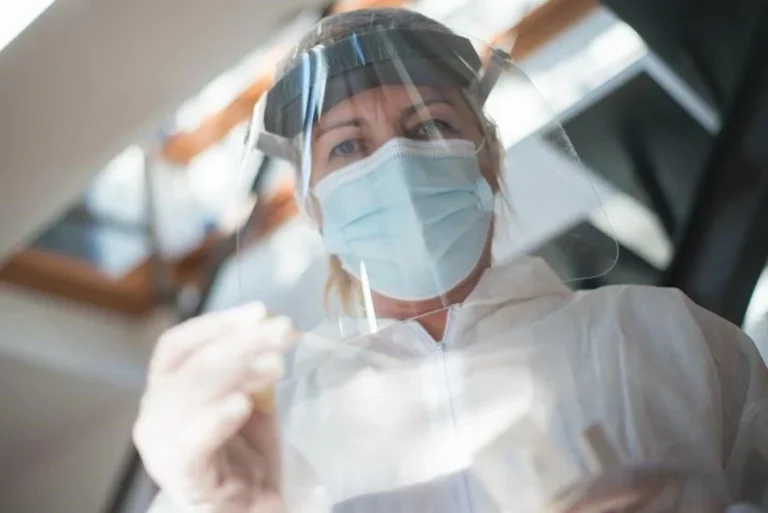
Proper PPE usage is a cornerstone of professional Nurse Services and HHA training. However, PPE is only effective if it is donned (put on) and doffed (taken off) in a specific clinical sequence to avoid self-contamination. For home aides, the use of gloves, masks, and sometimes gowns is necessary during the flu season or when a patient has an open wound. The aide must understand that wearing gloves is never a substitute for handwashing. NYC health guidelines emphasize that frequent hand hygiene is the primary method for breaking the chain of infection in residential settings.
- Gloves should be changed between tasks on the same patient after contact with material that may contain high concentrations of microbes.
- Surgical masks should be worn by the aide if the patient is symptomatic with a cough or fever.
- Eye protection or face shields are recommended if there is a risk of splashing or spraying of body fluids.
- Handwashing must last at least 20 seconds, covering the backs of hands, between fingers, and under fingernails.
- HHAs should avoid touching their own face, eyes, or nose while providing care to prevent self-inoculation.
- Alcohol-based hand sanitizer (60-95% alcohol) is acceptable if hands are not visibly soiled.

Environmental Cleaning and Sanitation Protocols
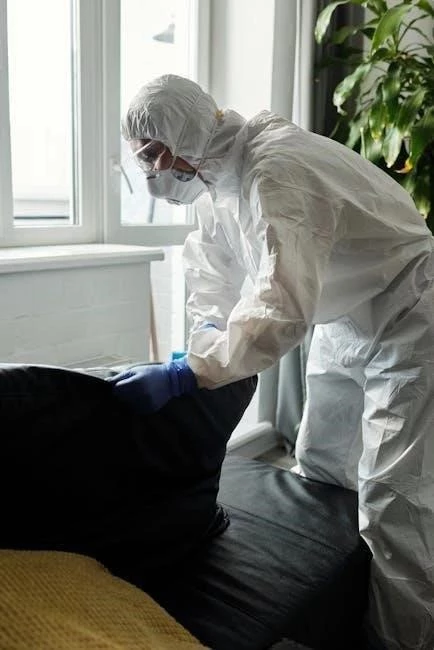
The home environment can harbor pathogens for days on surfaces such as doorknobs, bedrails, and remote controls. Infection control for home aides must include a rigorous cleaning schedule. In NYC, where many patients live in high-density housing, the risk of bringing external pathogens into the home is high. Using EPA-registered disinfectants to clean high-touch surfaces is mandatory to prevent the spread of the flu virus and bacteria that could lead to sepsis. Aides must also be diligent about the cleanliness of medical equipment like walkers, wheelchairs, and oxygen concentrators.
- Daily disinfection of “high-touch” surfaces such as light switches, faucets, and phone handsets.
- Proper disposal of medical waste, including soiled dressings and incontinence products, in sealed bags.
- Ensuring the kitchen area is sanitized, especially when preparing meals for patients with weakened immune systems.
- Regular cleaning of humidifiers and nebulizers to prevent the growth of mold and bacteria.
- Separating clean and dirty linens and washing soiled items in hot water with bleach where appropriate.
- Using disposable wipes for quick disinfection of shared surfaces during a shift.
Recognizing Early Warning Signs of Sepsis
Time is the most critical factor when dealing with sepsis. Because home health aides spend the most time with the patient, they are in the best position to notice subtle changes that indicate a declining clinical status. When Nurse Services are involved, the HHA is trained to use the “S.T.O.P.” method or similar clinical tools to identify red flags. Sepsis can progress from a simple infection to septic shock in a matter of hours, making immediate reporting to a supervisor or 911 a matter of life and death.
- Shivering, fever, or feeling very cold; temperature fluctuations are a major warning sign.
- Textreme pain or general discomfort that the patient cannot pinpoint.
- Opale or mottled skin, which may indicate poor circulation and low blood pressure.
- Psleepy, difficult to rouse, or confused—this “altered mental status” is common in elderly sepsis patients.
- Shortness of breath or rapid breathing (tachypnea) as the body tries to compensate for infection.
- Decreased urine output, which may indicate that the kidneys are beginning to struggle.
The Role of Professional Nurse Services in Infection Management
While home health aides provide the daily hands-on care, professional Nurse Services provide the clinical framework that keeps patients safe. Registered Nurses (RNs) in NYC are responsible for developing the plan of care, training the aides on specific infection control for home aides, and performing regular assessments. The nurse acts as a bridge between the home environment and the primary care physician, ensuring that any signs of the flu or potential sepsis are addressed with medical interventions immediately. This level of oversight is vital for families who want to ensure their loved ones receive hospital-grade safety at home.
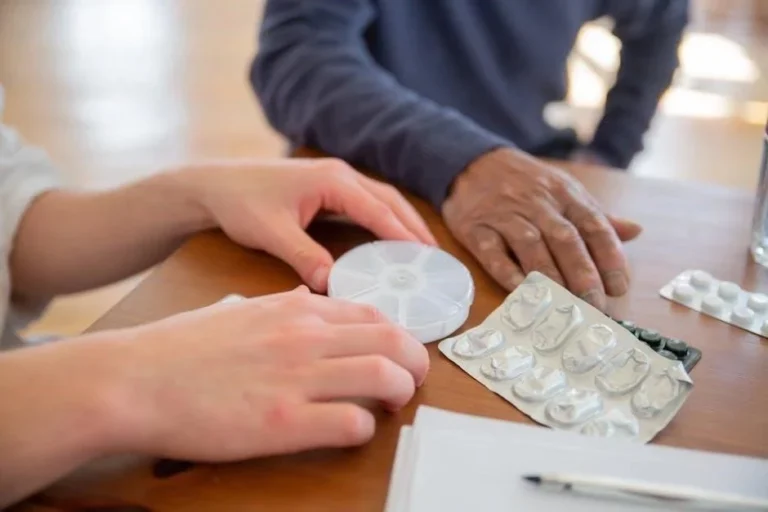
- RNs conduct medication reconciliation to ensure the patient is taking antibiotics or antivirals correctly.
- Nurses provide wound care management, which is a primary defense against the entry of sepsis-causing bacteria.
- Supervisory visits allow the nurse to observe the aide’s technique in handwashing and PPE usage.
- Coordination with the NY State DOH regarding latest infection trends and vaccine recommendations.
- Education for the family on how to maintain a sterile environment when the aide is not present.
- Assessment of the patient’s nutritional status, which is key to maintaining a strong immune system against the flu.
Nurse Insight: In my experience, the biggest mistake people make is waiting for a high fever before calling for help. With the elderly, sepsis often presents as simple confusion or a “lack of sparkle” rather than a temperature of 103. If your home health aide notices that your loved one isn’t quite themselves, trust that intuition and call your nursing supervisor immediately; it could save a life.
Frequently Asked Questions
What are the first signs of sepsis in elderly patients?
In elderly patients, the first signs of sepsis can be non-specific. Look for sudden confusion, a drop in blood pressure (which may cause dizziness), a rapid heart rate, and either a high fever or a subnormal body temperature. Because their immune response may be muted, they might not always show a high fever, making mental status changes even more important to track.
How often should a home aide wash their hands?
Handwashing should occur at every transition of care. This includes upon entering the home, before and after touching the patient, before any clean/aseptic procedure (like feeding or catheter care), after exposure to body fluids, and after touching any objects in the patient’s immediate vicinity. If soap and water aren’t available, an alcohol-based sanitizer should be used until the aide can reach a sink.
Can Nurse Services help manage a flu outbreak at home?
Absolutely. Professional Nurse Services provide the clinical expertise to isolate the infection. A nurse can monitor vital signs, ensure the patient stays hydrated, manage fever-reducing medications, and instruct the family and aides on droplet precautions to ensure the flu does not spread to everyone else in the household.
What is the best way to disinfect medical equipment?
You should use medical-grade disinfectant wipes or a solution of 70% isopropyl alcohol for most non-porous equipment. Items like walkers or bedrails should be wiped down daily. For specialized equipment like CPAP machines or nebulizers, follow the manufacturer’s instructions for sterile water use and frequent cleaning to prevent bacterial growth.
Are vaccines mandatory for home health aides in NYC?
While specific mandates can change based on current New York State Department of Health (DOH) regulations, aides are generally required to either receive the flu vaccine or wear a mask during the designated flu season. Most agencies strongly encourage all staff to stay up-to-date on vaccinations to protect the vulnerable populations they serve.
Contact ProLife Home Care NYC for a free clinical assessment:(718) 232 – 2777