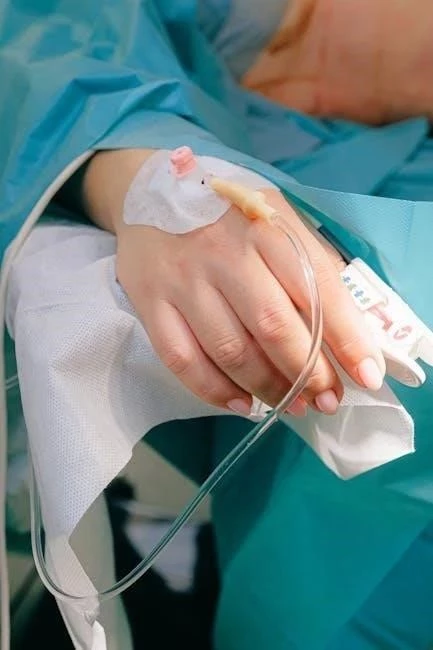
Watching a loved one lose their mobility is one of the most difficult experiences a family in New York can face. As a senior nurse, I have guided countless families through the complexities of home-based care, ensuring their elders remain comfortable and safe. Caring for bedbound patients HHA tips are designed to empower you with the knowledge needed to manage daily routines effectively while preserving your loved one’s dignity. Our goal is to provide a comprehensive framework that supports both the caregiver’s confidence and the patient’s long-term health outcomes.
Clinical Quick Answer
Effective care for bedbound seniors revolves around a strict two-hour repositioning schedule and meticulous skin hygiene to ensure Bed Sore Prevention. Caregivers must utilize pressure-redistributing surfaces and maintain optimal nutrition to support skin integrity and prevent painful tissue breakdown. Early detection of non-blanchable redness is critical to intervening before a stage 1 pressure injury progresses into a complex wound.
Implementing a Comprehensive Repositioning Schedule
The cornerstone of Caring for bedbound patients HHA tips is the implementation of a consistent turning schedule. When a patient remains in one position for too long, the weight of the body compresses the blood vessels between the bone and the skin surface. This lack of blood flow, or ischemia, leads to rapid tissue death; In a clinical setting, we recommend the two-hour rule. This means the patient must be moved from their back to their left side, and then to their right side, in a rotating cycle throughout the day and night.
- Utilize a turning log posted near the bed to track every movement and ensure all caregivers are on the same page.
- Use the 30-degree lateral position instead of a full 90-degree turn to avoid putting direct pressure on the hip bone (greater trochanter).
- Employ pillows or foam wedges to keep knees and ankles from touching, as these bony areas are highly susceptible to breakdown.
- Check the skin for redness every time the patient is moved, paying close attention to the sacrum, heels, and shoulder blades.
- Avoid lifting the head of the bed higher than 30 degrees for extended periods to prevent shearing forces on the lower back.
For more detailed safety standards and professional caregiving regulations, families should consult the NY State DOH website, which provides resources for home health standards in New York.
Advanced Skin Hygiene and Moisture Management
Effective Bed Sore Prevention requires more than just moving the patient; it necessitates a clinical approach to skin cleanliness. Moisture is the enemy of skin integrity. Whether from perspiration or incontinence, prolonged exposure to moisture weakens the skin’s top layer (the epidermis), making it prone to maceration and tearing. For bedbound seniors, a daily full-body inspection is mandatory, ideally during the morning hygiene routine.
- Use pH-balanced, no-rinse cleansers that preserve the skin’s natural acid mantle, which acts as a barrier against bacteria.
- Apply high-quality moisture barrier creams (containing zinc oxide or dimethicone) to the perineal area to protect against the caustic effects of urine and stool.
- Avoid using hot water, which can strip natural oils and dry out the skin, making it more fragile.
- Gently pat the skin dry with a soft towel rather than rubbing, as friction can cause micro-tears in elderly skin.
- Keep bed linens clean, dry, and free of wrinkles, as even a small fold in a sheet can create a pressure point over several hours.
Nutritional Foundations for Skin Integrity
The body cannot maintain healthy skin or heal existing wounds without proper fuel. Clinical studies show that malnutrition is one of the leading risk factors for pressure ulcers in bedbound populations. When a patient is immobile, their protein requirements often increase to maintain muscle mass and skin elasticity. As a caregiver, monitoring dietary intake is just as important as physical repositioning.
- Prioritize high-protein foods such as Greek yogurt, lean meats, eggs, or protein shakes if the patient has a reduced appetite.
- Ensure adequate intake of Vitamin C and Zinc, both of which are critical for collagen synthesis and tissue repair.
- Maintain hydration by offering small sips of water or electrolyte-balanced fluids throughout the day to keep the skin hydrated from the inside out.
- Monitor for signs of unintended weight loss, which can decrease the natural padding between bones and the mattress.
- Consult with a registered dietitian if the patient has underlying conditions like diabetes that complicate nutritional management.
Recognizing and Staging Pressure Injuries
Early identification is the most effective tool in Bed Sore Prevention. Caregivers must be trained to recognize the different stages of skin breakdown. A Stage 1 pressure injury is characterized by localized redness that does not blanch (turn white) when pressed. If you catch the injury at this stage, it is often reversible with immediate pressure relief. Once the skin breaks, the risk of infection and hospitalization increases dramatically.
- Stage 1: Intact skin with non-blanchable redness; the area may feel painful or a different temperature than surrounding skin.
- Stage 2: Partial-thickness skin loss involving the epidermis or dermis, often looking like a shallow open ulcer or a fluid-filled blister.
- Stage 3: Full-thickness skin loss where subcutaneous fat may be visible, but bone and muscle are not yet exposed.
- Stage 4: Deep tissue loss with exposed bone, tendon, or muscle; this is a medical emergency requiring advanced wound care.
- Deep Tissue Injury: A persistent non-blanchable deep red, maroon, or purple discoloration that indicates damage beneath the surface.
Safe Transfer Techniques to Prevent Shearing
Caring for bedbound patients HHA tips frequently focus on the mechanics of movement; “Shearing” occurs when the skin stays in place while the body slides, which can happen when a patient is pulled up in bed. This action stretches and tears the delicate blood vessels under the skin. To prevent this, caregivers must use proper transfer techniques and tools designed to protect the patient’s skin and the caregiver’s back.
- Always use a “draw sheet” or “lift sheet” to move a patient up in bed rather than pulling on their arms or legs.
- Ensure at least two people are present for transfers if the patient is unable to assist, following NYC safety protocols for home care.
- Utilize friction-reducing transfer boards or slide sheets for moving the patient from a bed to a stretcher or chair.
- Keep the patient’s skin well-moisturized; dry skin is more likely to suffer from friction-related injuries during movement.
- Encourage the patient to perform “micro-movements” if they are able, such as wiggling toes or shifting weight slightly using a trapeze bar.
Optimizing the Bed Environment and Equipment
The physical environment plays a massive role in the success of any care plan for bedbound seniors. Standard mattresses are rarely sufficient for someone who spends 24 hours a day in bed. Investing in or requesting specialized equipment through Medicaid or private insurance can be a game-changer for long-term comfort and safety. NYC home health specialists often recommend specific surfaces tailored to the patient’s risk level.
- High-specification reactive foam mattresses provide better pressure redistribution than standard inner-spring models.
- Alternating pressure mattresses use air cells that inflate and deflate in a cycle to mechanically relieve pressure across the body.
- Heel protector boots are essential for patients who develop “foot drop” or who have high-risk heels; pillows under the calves can also “float” the heels off the bed.
- Low-air-loss therapy beds are used for patients with existing wounds to manage moisture and temperature on the skin surface.
- Ensure the room is kept at a comfortable temperature to prevent excessive sweating, which contributes to skin maceration.
Nurse Insight: In my experience, the most successful families are those who treat skin care as a scheduled medical necessity rather than a chore. I always tell my clients to use the “clock method”—even hours mean the patient is on their left, odd hours mean the right. This simple mental trick prevents the confusion that often leads to missed turns and subsequent skin breakdown.
Frequently Asked Questions
How often should I turn a bedbound patient to prevent sores?
Clinically, a bedbound patient should be repositioned at least every two hours. This frequency is necessary to ensure that blood flow returns to tissues that have been compressed by the body’s weight. Some patients with very fragile skin may need more frequent turning, such as every 90 minutes.
What are the first signs of a bed sore?
The earliest indicator is a patch of skin that stays red even after pressure has been removed for 30 minutes. If you press the red spot and it doesn’t turn white (blanching), a stage 1 pressure injury has likely formed. You may also notice changes in skin temperature or a “boggy” texture.
Are there specific pillows for pressure relief?
Yes, medical-grade foam wedges are superior to standard pillows because they maintain their shape and provide consistent support. For the heels, specific “heel float” pillows or boots are designed to completely suspend the heel in the air, which is the most effective way to prevent sores in that area;
How do I handle incontinence for skin health?
Incontinence should be managed with immediate cleaning using pH-balanced products and the application of a thick moisture barrier ointment. Using high-absorbency briefs that “wick” moisture away from the skin is also vital. Avoid using plastic-backed pads that trap heat and sweat against the body.
When should I call a doctor for skin changes?
You should contact a healthcare provider immediately if you see skin that is broken, blistering, or drainage that has a foul odor. Additionally, if a red area does not improve after 24 hours of total pressure relief, professional wound care intervention may be required to prevent the injury from deepening.
Contact ProLife Home Care NYC for a free clinical assessment:(718) 232 – 2777