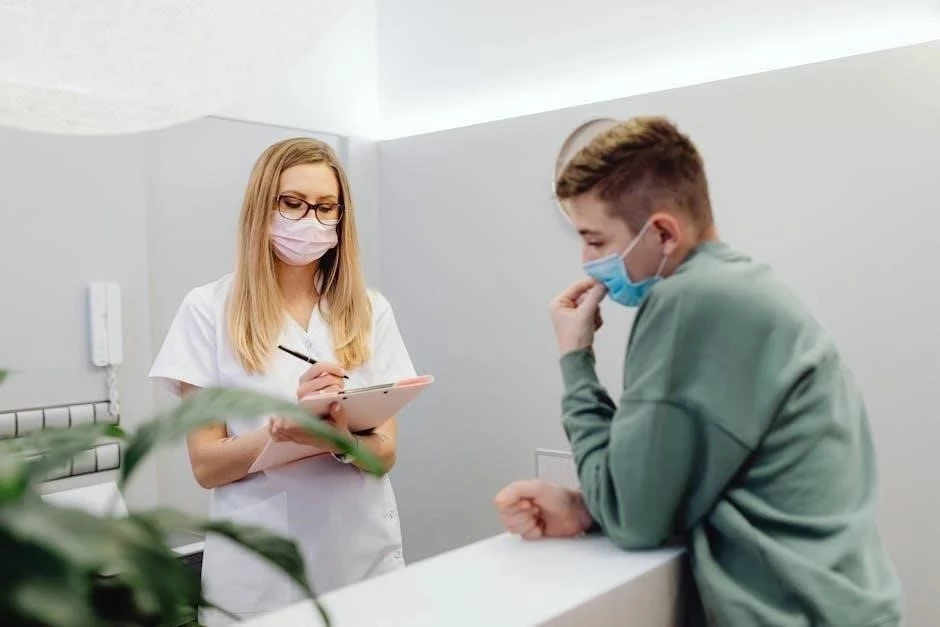
As a Senior NYC Nurse, I have seen firsthand how much peace of mind a well-documented care plan provides to families who are entrusting their loved ones to home health services. Proper record-keeping is the primary way we ensure that your family member is receiving the exact level of support they need to remain safe and comfortable in their own home. When an aide takes the time to accurately record every meal, medication reminder, and movement, they are providing us with a roadmap for your loved one’s continued health. My goal is to help both caregivers and families understand that these duty sheets are not just paperwork, but a vital communication tool that protects the vulnerable.
Clinical Quick Answer
Proper HHA documenting patient care requires precise, objective recording of all completed tasks and observations as outlined in the patient’s specific plan of care. These records are essential for the ongoing Nursing Assessment NYC, providing the evidence-based data needed to justify care hours and monitor for clinical declines. In the New York home care system, duty sheets must be completed in real-time to ensure accuracy, legal compliance, and the highest standards of patient safety.
The Critical Role of the HHA in the NYC Care Continuum
In the complex landscape of New York home healthcare, the Home Health Aide (HHA) serves as the eyes and ears of the clinical team. While a doctor or nurse may only see a patient periodically, the HHA is present daily, observing the subtle shifts in mood, mobility, and physical health that could signal a larger medical issue. Documentation is the only way these observations move from the patient’s bedside to the clinical record.
- Legal Accountability: Every duty sheet is a legal document that can be subpoenaed in court or used in audits by the New York State Department of Health.
- Clinical Continuity: Accurate logs allow different shifts of caregivers to understand what has already been done, such as whether a patient has already had a bowel movement or been encouraged to hydrate.
- Verification of Services: Documentation proves that the tasks authorized by Medicaid or private insurance were actually performed, ensuring that the agency is reimbursed and the patient continues to receive their allotted hours.
- Early Detection: By recording daily vitals or behavioral changes, HHAs help nurses identify trends like worsening heart failure (via weight gain) or infections (via confusion or low-grade fever).
Understanding the Nursing Assessment NYC Connection
Before an HHA ever steps into a home, a Registered Nurse performs a comprehensive Nursing Assessment NYC. This assessment uses the Uniform Assessment System (UAS-NY) to determine the patient’s functional needs and the number of hours required for their safety. The HHA duty sheet is directly tied to this assessment; it is the daily confirmation that the needs identified by the nurse are being met.
- Plan of Care Alignment: The duty sheet tasks (like bathing, dressing, and meal prep) are derived directly from the nurse’s initial assessment of the patient’s deficits.
- Justification for Hours: When an HHA documents that a patient needs maximal assistance with transfers, it justifies the hours allocated during the Nursing Assessment NYC.
- Identifying New Needs: If an HHA notes that a patient is struggling more with walking than they were a month ago, the nurse uses that documentation to trigger a new assessment for increased services or physical therapy.
- Regulatory Compliance: New York law requires that the HHA’s activities match the scope of practice defined during the nursing evaluation.
Essential Components of HHA Documenting Patient Care
When it comes to HHA documenting patient care, the “how” is just as important as the “what.” Caregivers must use professional, objective language and avoid personal opinions or vague descriptions. A well-filled duty sheet provides a clear, chronological picture of the patient’s day without any ambiguity.
- Objective vs. Subjective: Instead of writing “Patient felt sad,” an HHA should write “Patient cried during breakfast and refused to engage in conversation.” This provides a clear, observable behavior.
- Vital Signs: If the plan of care requires checking blood pressure, pulse, or temperature, these must be recorded exactly as they appear on the device, along with the time they were taken.
- Activities of Daily Living (ADLs): Documentation should specify the level of assistance provided—whether it was total dependence, maximal assistance, or just supervision.
- Nutrition and Fluids: Record specific amounts, such as “8oz of water” or “ate 75% of chicken and vegetables,” rather than “ate well.”
- Skin Integrity: HHAs must document that they checked the skin for redness or sores during bathing, as this is a key metric in preventing hospitalizations.
NYC Medicaid and NY State DOH Compliance Standards
Operating within New York City requires strict adherence to state regulations. The NY State DOH sets the standards for how home care services are recorded and audited. Failure to meet these standards can result in the loss of home care services for the resident and heavy fines for the agency.
- Electronic Visit Verification (EVV): Most NYC HHAs now use a digital system to clock in and out, but the duty sheet remains the primary place for recording the clinical tasks performed during those hours.
- Timely Filing: Documentation should be completed at the end of every shift. Waiting until the end of the week leads to forgotten details and inaccurate reporting.
- Signature Requirements: Both the HHA and the patient (or their authorized representative) must sign the duty sheet to verify that the hours were served and the care was provided.
- Standardized Checklists: Most agencies provide a pre-printed list of tasks that correspond to the NYC Nursing Assessment; HHAs must check off only what they actually did that day.
Common Pitfalls in Duty Sheet Completion
Even the most dedicated caregivers can fall into habits that compromise the quality of their documentation. Recognizing these common errors is the first step toward charting success and ensuring the safety of NYC’s aging population.
- Gaps in Documentation: Leaving blank spaces on a duty sheet is a major red flag for auditors. If a task wasn’t done (e.g., the patient refused a bath), it should be marked as “Refused” with an explanation in the notes.
- “Pre-charting”: Signing off on tasks before they are actually performed is a form of fraud and is extremely dangerous if the caregiver is unable to complete the shift or if an emergency occurs.
- Illegible Handwriting: On paper sheets, if a nurse or auditor cannot read the notes, the care is effectively undocumented. Clear, print writing in black ink is the standard.
- Generalizing: Using “ditto” marks or drawing a vertical line through several days to indicate “same as yesterday” is unacceptable in a clinical setting. Every day must be treated as a unique medical event.
The Collaborative Relationship: HHA and the Supervising Nurse
Documentation is a bridge between the HHA and the Registered Nurse. In New York, the RN must review these logs to ensure that the patient is stable and the HHA is following the safety protocols established in the Nursing Assessment NYC. This collaboration is what keeps patients out of the emergency room.
- Review of Symptoms: The nurse looks for patterns in the HHA’s notes, such as increased shortness of breath or persistent cough, to determine if a doctor’s visit is necessary.
- Medication Adherence: HHAs document medication reminders. If the logs show a patient is frequently refusing their blood pressure pills, the nurse must intervene to discuss the risks with the patient and family.
- Safety Supervision: The nurse ensures that the HHA is documenting the use of safety equipment, like grab bars or walkers, as mandated in the care plan.
- Professional Development: Through the review of duty sheets, nurses can identify areas where an HHA may need additional training, such as better techniques for diabetic meal planning or pressure ulcer prevention.
Nurse Insight: In my experience, the difference between a patient who thrives at home and one who is frequently hospitalized is often found in the “Comments” section of the duty sheet. I always tell my aides: “Don’t just check the boxes.” If you notice that your patient is usually a morning person but today they slept until noon, write that down! Those small, subjective changes are often the very first signs of a urinary tract infection or a medication side effect. Your observations are the most powerful tool I have as a nurse to protect your loved one from a crisis.
Frequently Asked Questions
Can I use a pencil to fill out the duty sheet?
No, all medical documentation must be completed in permanent ink, preferably black or blue. Pencil can be erased or altered, which invalidates the document as a legal record of care.
What if a patient refuses a service listed on the plan of care?
Patients have the right to refuse care. You should not check the task as “completed.” Instead, write “Refused” in the box and provide a brief note in the comments section explaining why the patient refused and that you informed the supervisor if necessary.

How do I document if the patient’s family does some of the work?
You should only check off the tasks that you personally performed. If a daughter gives the patient a bath before you arrive, you leave that box blank or note “Completed by family” in the comments. Accurate billing depends on documenting only the work done by the HHA.
Is it okay to use abbreviations on the duty sheet?
You should only use agency-approved medical abbreviations. Common ones like ‘ADL’ (Activities of Daily Living) or ‘BM’ (Bowel Movement) are usually acceptable, but avoid ‘text-speak’ or informal abbreviations that a nurse or doctor might misunderstand.
What should I do if the duty sheet is lost or damaged?
Contact your agency supervisor immediately. You will likely need to reconstruct the log for the week as accurately as possible, and it should be clearly marked as a “Late Entry” or “Duplicate Record” to maintain transparency.
Contact ProLife Home Care NYC for a free clinical assessment:(718) 232 – 2777