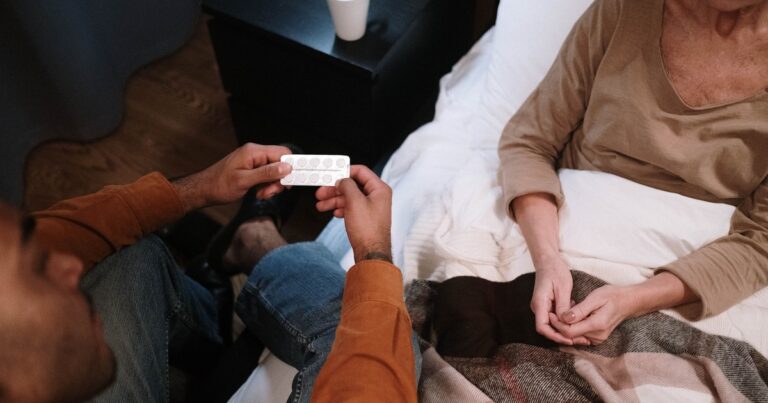
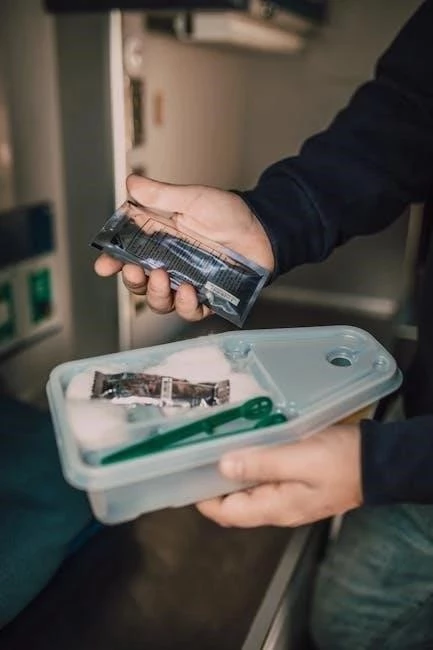
As a Senior NYC Nurse, I understand that your family’s safety is your highest priority when bringing care into your private residence. We recognize that inviting an aide into your home requires an immense amount of trust and a shared commitment to clinical excellence. Proper infection control is the first line of defense in protecting your elderly or immunocompromised loved ones from avoidable and potentially dangerous illnesses. By prioritizing strict cleanliness through professional Nurse Services, we ensure that the home remains a sanctuary of healing rather than a place of risk for your family.
Clinical Quick Answer
Hand hygiene protocols for aides represent the single most effective intervention for preventing healthcare-associated infections (HAIs) within a home care environment. These protocols mandate rigorous handwashing or the use of high-quality alcohol-based sanitizers at key clinical moments, such as before patient contact, after exposure to bodily fluids, or after touching the patient’s immediate environment. Implementation of these standards via professional Nurse Services ensures that caregivers maintain a sterile field, effectively shielding vulnerable patients from harmful pathogens and complications.
The Biological Foundation of Hand Hygiene in Home Care
In the field of home care, the hands of a caregiver are the most common vehicles for the transmission of microorganisms. Pathogens such as Staphylococcus aureus, Escherichia coli, and various influenza strains can survive on skin surfaces for extended periods, waiting for an opportunity to enter a patient’s system through the eyes, nose, mouth, or broken skin. Hand hygiene protocols for aides are designed to disrupt this transmission cycle. Unlike a hospital, where the environment is standardized, a home presents unique challenges, including different surface materials, pets, and family members, all of which contribute to a complex microbial landscape. Professional Nurse Services emphasize that hand washing is not merely a social courtesy but a critical medical procedure.
- Microbial Load Reduction: Proper washing with soap and water mechanically removes dirt, organic material, and transient microorganisms that can cause infection.
- Lipid Bilayer Destruction: Soap molecules are amphiphilic, meaning they can break down the fatty outer layer of many viruses, including SARS-CoV-2, effectively neutralizing them.
- Friction Importance: The act of rubbing hands together for at least 20 seconds creates the necessary friction to dislodge stubborn pathogens from the ridges and folds of the skin.
- Biofilm Prevention: Regular hand hygiene prevents the buildup of bacterial biofilms on the caregiver’s hands, which are otherwise resistant to light rinsing.
- Cross-Contamination Control: Protocols ensure that germs from a kitchen or bathroom are not carried into the patient’s ‘clean zone,’ such as their bed or treatment area.
Standard Hand Hygiene Protocols for Aides
Adherence to standardized hand hygiene protocols for aides is the cornerstone of safe home care. These protocols are derived from the World Health Organization (WHO) and CDC guidelines, adapted specifically for the residential setting. When an aide enters a home, they must immediately establish a ‘clean station’ where hygiene supplies are kept. The protocol dictates not only how to wash but exactly when to wash. Nurse Services focus on the ‘Five Moments’ of hygiene to ensure no gaps in protection occur during the transition between various care tasks. Consistency in these actions is what separates professional clinical care from general domestic assistance.
- Moment 1: Before touching a patient, to protect the patient against harmful germs carried on the aide’s hands.
- Moment 2: Before clean or aseptic procedures, such as wound care, catheter maintenance, or medication administration.
- Moment 3: After body fluid exposure risk, which is critical for the aide’s own safety and the prevention of environmental contamination.
- Moment 4: After touching a patient, especially when moving away from the bedside to other parts of the home.
- Moment 5: After touching patient surroundings, including bed rails, linens, or medical equipment, even if the patient was not directly touched.
- Post-Glove Protocol: Hands must always be washed or sanitized immediately after removing gloves, as gloves may have microscopic tears or become contaminated during removal.
The Role of Nurse Services in Compliance and Training
The effectiveness of hand hygiene protocols for aides is directly tied to the quality of oversight provided by Nurse Services. Simply telling an aide to wash their hands is insufficient; clinical excellence requires formal training, demonstration, and regular auditing. Registered Nurses (RNs) are responsible for evaluating the aide’s technique during home visits. This oversight includes checking for proper duration, the inclusion of all hand surfaces (fingertips, thumbs, and between fingers), and the correct use of drying materials. Furthermore, Nurse Services help families identify the best locations for hygiene stations to facilitate compliance without disrupting the flow of the home.
- Initial Competency Assessment: Every aide must demonstrate mastery of hand hygiene techniques before they are assigned to a patient.
- In-Service Education: Regular workshops update aides on the latest infection control trends and emerging pathogens in the New York City area.
- Environmental Audits: Nurses assess the home to ensure that sinks are accessible and that appropriate supplies are consistently available.
- Supervisory Visits: RNs conduct periodic check-ins to observe the aide in ‘real-time,’ ensuring that protocol is followed even when the nurse is not present.
- Documentation: Compliance with infection control standards is documented in the patient’s clinical record, providing a history of safety measures taken.
Distinguishing Between Hand Rubbing and Hand Washing
A common point of confusion in home care is when to use alcohol-based hand rubs (ABHR) versus traditional soap and water. Hand hygiene protocols for aides specify that while ABHR is often more convenient and effective at killing most bacteria, it is not a universal solution. Professional Nurse Services educate both aides and families on these distinctions to ensure the correct method is used for the specific risk present. For example, during a typical shift, an aide might use hand rub ten times but must return to the sink for soap and water after specific activities to ensure complete decontamination.
- Soap and Water Requirement: Must be used when hands are visibly dirty, contaminated with blood or body fluids, or after using the bathroom.
- Spore-Forming Pathogens: Hand washing is mandatory when dealing with C. difficile, as alcohol does not kill the spores; they must be mechanically washed away.
- Alcohol-Based Rubs: Preferred for routine decontamination when hands are not visibly soiled because they are faster and often less irritating to the skin.
- Alcohol Concentration: Protocols require the use of sanitizers with a 60% to 95% alcohol concentration for maximum efficacy.
- Proper Drying: When washing with water, hands must be dried thoroughly with a disposable towel, as damp hands can transfer germs more easily than dry ones.
Equipment and Supplies for Optimal Infection Control
To follow hand hygiene protocols for aides effectively, the home must be equipped with the right tools. Nurse Services work with families and Medicaid providers to ensure these supplies are never exhausted. Relying on shared family towels or bar soap is discouraged, as these items can actually harbor bacteria and become sources of infection themselves. Instead, the focus is on disposable and touchless options that minimize contact with contaminated surfaces. Ensuring the aide has easy access to these tools is a shared responsibility that significantly lowers the risk of illness for the entire household.
- Liquid Pump Soap: Preferred over bar soap to prevent the accumulation of bacteria on the soap’s surface.
- Disposable Paper Towels: Essential for drying hands and for turning off faucets without re-contaminating clean hands.
- 60%+ Alcohol Sanitizer: Should be placed at the patient’s bedside and at the entrance to the care area for easy access.
- Lotion and Skin Care: Aides are encouraged to use hospital-grade lotions to prevent cracked skin, which can become a reservoir for germs.
- Non-Latex Gloves: Used as an adjunct to, not a replacement for, hand hygiene when contact with fluids is anticipated.
Compliance Challenges and Family Support
Maintaining 100% compliance with hand hygiene protocols for aides can be challenging in a busy home environment. Factors such as skin irritation, lack of supplies, or the urgent needs of a patient can sometimes lead to shortcuts. This is where the partnership between the family and Nurse Services becomes vital. By fostering an environment where hygiene is prioritized and celebrated, families can help reinforce the aide’s training. It is also important to refer to official guidelines, such as those found on the NY State DOH website, to stay informed about regional health mandates and best practices for home-based care.
- Open Communication: Families should feel empowered to remind aides to wash their hands if they notice a lapse in protocol.
- Supply Monitoring: Keeping a consistent stock of paper towels and soap prevents ’emergencies’ where hygiene might be skipped.
- Skin Integrity: If an aide’s hands are red or cracked, the nurse should be notified so that alternative, gentler sanitizers or protective creams can be provided.
- Modeling Behavior: When family members also follow strict hand hygiene, it creates a culture of safety that the aide is more likely to uphold.
- Reporting Issues: Any concerns regarding an aide’s hygiene habits should be reported to the supervising nurse immediately for corrective training.
Nurse Insight: In my experience, the simplest actions often have the most profound impact on patient outcomes. I have seen how a consistent hand-washing routine not only prevents the flu and common colds but also builds a culture of safety that reassures the family. It is vital for aides to feel empowered to pause and sanitize, even during busy transitions, because that ten-second habit is often the only thing standing between a patient and a hospital readmission. Always remember, clean hands are the most basic form of respect we can show to the vulnerable people in our care.
Frequently Asked Questions
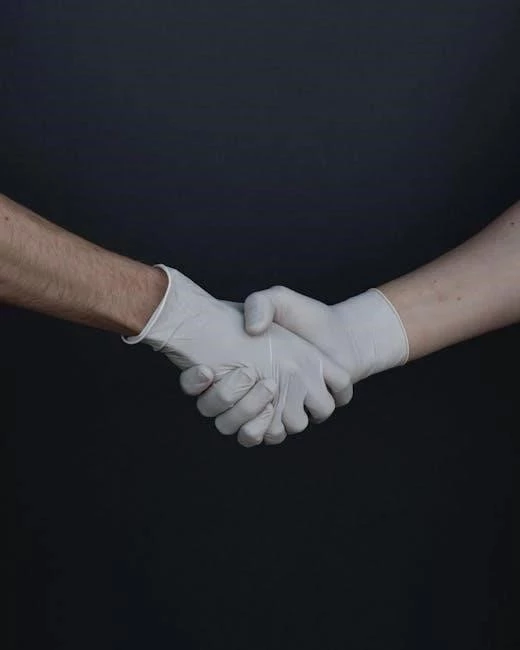
How long should an aide wash their hands?
An aide should wash their hands for at least 20 seconds of active scrubbing with soap. This is roughly the time it takes to hum the ‘Happy Birthday’ song twice. This duration is necessary to ensure that friction and soap have enough time to break down the pathogens and lift them from the skin’s surface before rinsing.
Are gloves a substitute for hand washing?
No, gloves are never a substitute for hand washing. Hand hygiene protocols for aides require washing hands both before putting on gloves and immediately after taking them off. Gloves can have microscopic holes, and the process of removing them often results in the caregiver’s hands touching the contaminated exterior of the glove.
What should I do if I notice the aide isn’t washing their hands?
If you observe a lapse in hygiene, you should gently remind the aide in the moment. However, it is also important to contact their supervising Nurse Services coordinator. The nurse can provide additional training and ensure the aide understands the clinical necessity of the protocol without creating a conflict in the home.
Why is bar soap discouraged in home care?
Bar soap can stay moist and sit in a dish that collects water, which creates a breeding ground for bacteria. Multiple people using the same bar can also lead to cross-contamination. Liquid soap in a pump or touchless dispenser is much safer because the soap remains contained and uncontaminated until the moment of use.
Does the temperature of the water matter for killing germs?
The temperature of the water does not significantly affect the removal of germs; it is the soap and the friction of scrubbing that do the work. In fact, water that is too hot can damage the skin over time, leading to cracks where bacteria can hide. It is best to use a comfortable, warm temperature that encourages the aide to wash for the full 20 seconds.
Contact ProLife Home Care NYC for a free clinical assessment:(718) 232 – 2777