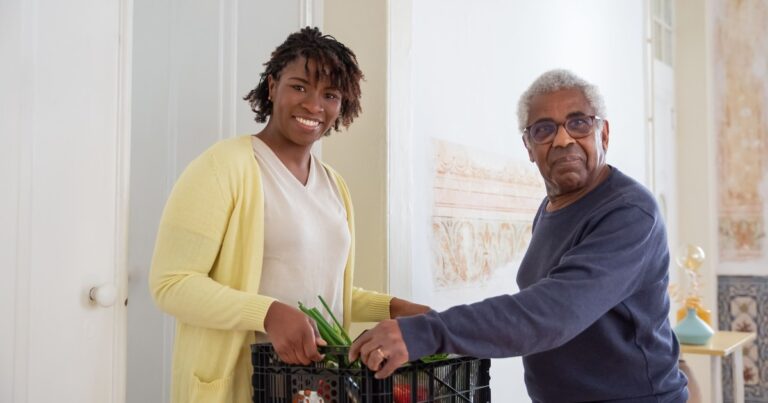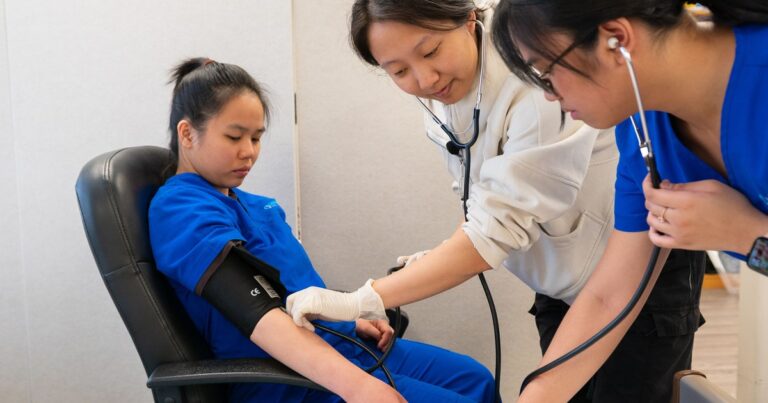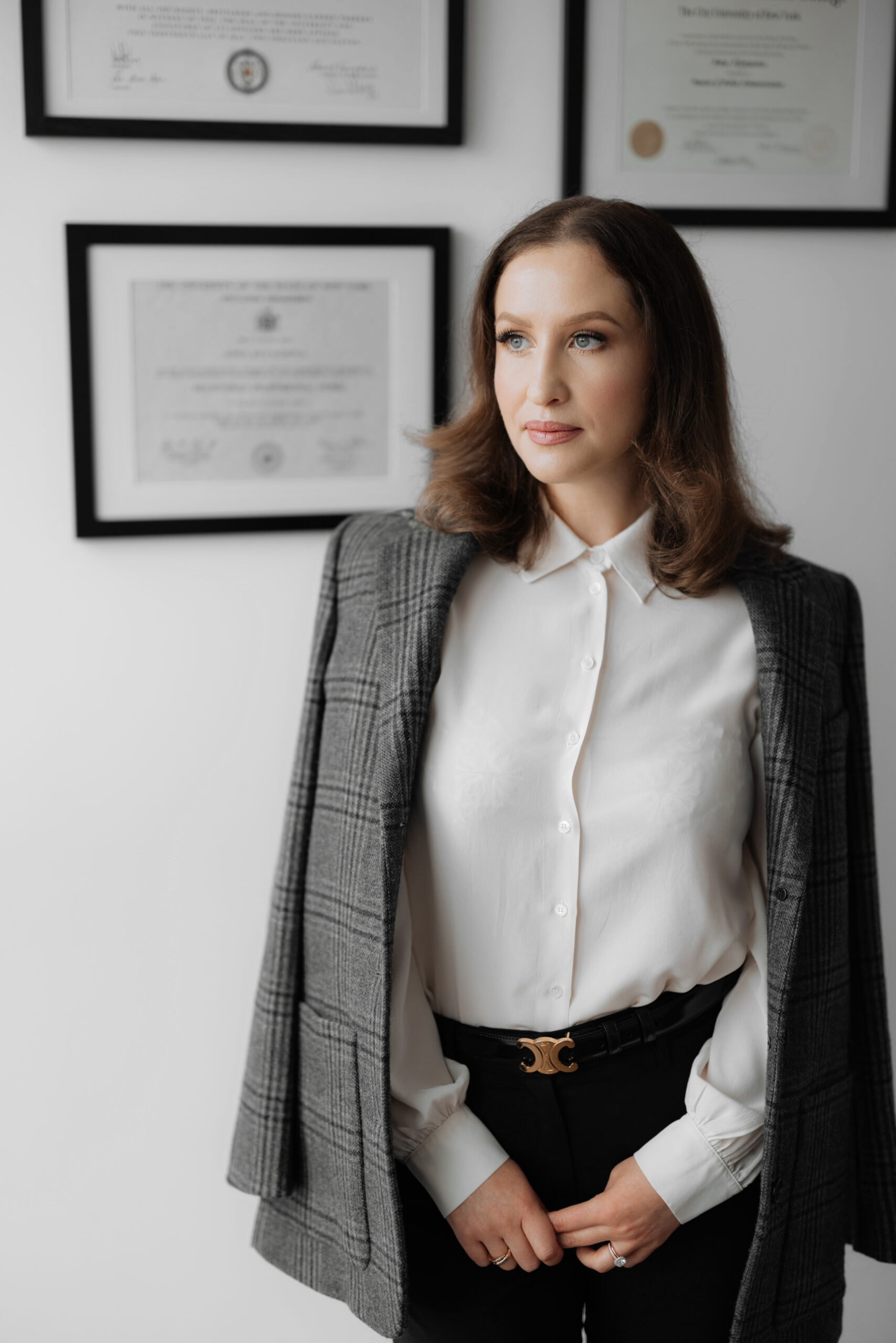
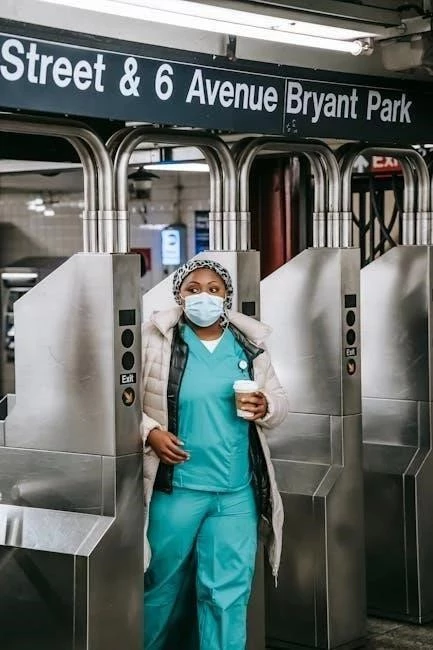
Navigating the complexities of aging requires more than just a helping hand; it demands a partnership built on professional excellence and genuine empathy. As a Senior Nurse in the heart of New York City, I have witnessed how the transition to home-based care can be a profound source of relief for families when handled with the right expertise. Our focus is always on preserving the dignity of your loved ones while providing the clinical safety they deserve within their own familiar surroundings. By integrating rigorous educational standards with a heart-centered approach, we ensure that every senior in our care feels seen, respected, and securely supported.
Clinical Quick Answer
Professional home care for the elderly training equips caregivers with the essential clinical skills to manage chronic conditions, mobility challenges, and daily activities safely. A formal Nursing Assessment NYC is the critical first step in this process, providing a comprehensive medical evaluation that dictates the specific level of assistance required for a senior to remain at home. Together, these elements form a high-standard care framework that significantly reduces the risk of hospitalizations and enhances the life quality of New York’s aging population.
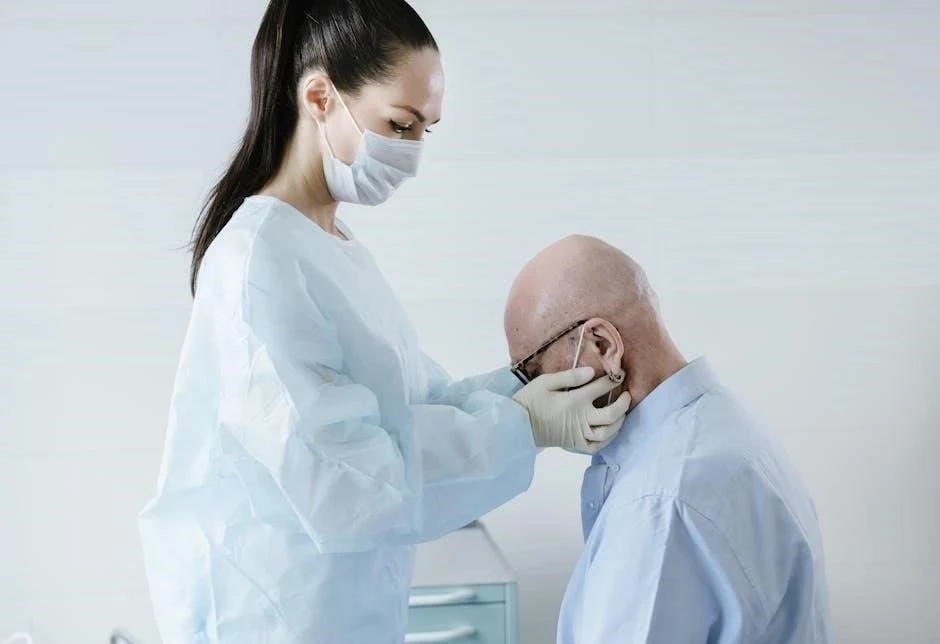
Core Foundations of Home Care for the Elderly Training
The landscape of geriatric care is evolving, demanding a more sophisticated skill set from those on the front lines. Home care for the elderly training is no longer just about basic housekeeping; it is a clinical and behavioral discipline designed to meet the unique needs of a vulnerable population. The curriculum for modern caregivers in New York is rigorous, ensuring that every aide understands the physiological and psychological nuances of aging.
- Activities of Daily Living (ADLs): Training focuses on assisting with bathing, dressing, and toileting while maintaining the patient’s privacy and dignity.
- Infection Control: Mastery of sanitation protocols is vital to prevent the spread of illnesses, particularly in shared residential environments.
- Nutrition and Hydration: Caregivers are taught to manage dietary restrictions, monitor fluid intake, and prepare meals that meet specific geriatric nutritional needs.
- Body Mechanics: Proper techniques for transferring patients from beds to wheelchairs are essential to prevent injury to both the senior and the caregiver.
- Communication Skills: Effective interaction with seniors who may have hearing loss or cognitive impairments is a cornerstone of compassionate care.
The Vital Role of Nursing Assessment NYC
In the regulatory environment of New York, a Nursing Assessment NYC serves as the cornerstone of any home-based care plan. This is not a mere formality but a comprehensive clinical evaluation performed by a Registered Nurse. The assessment determines the medical necessity of services and ensures that the care provided is neither insufficient nor excessive, but exactly what the patient requires to thrive safely at home.
- Physical Health Evaluation: Assessing vitals, skin integrity, and the management of chronic diseases like diabetes or heart failure.
- Cognitive and Mental Status: Screening for dementia, depression, and memory impairment to tailor the level of supervision needed.
- Home Safety Audit: Evaluating the living environment for hazards like loose rugs, poor lighting, or lack of grab bars in the bathroom.
- Medication Reconciliation: Reviewing all prescriptions and over-the-counter medications to prevent dangerous drug interactions.
- UAS-NY Documentation: Utilizing the Uniform Assessment System for New York to standardize care and facilitate Medicaid or insurance approvals.
Managing Chronic Conditions and Specialized Care
Many seniors in NYC live with multiple chronic conditions that require vigilant monitoring. Specialized home care for the elderly training empowers caregivers to go beyond basic supervision, allowing them to act as the “eyes and ears” for the medical team. This level of care is essential for preventing the “revolving door” of hospital readmissions that many seniors face.
- Dementia and Alzheimer’s Support: Training in “validation therapy” and redirection techniques helps manage the behavioral symptoms of memory loss.
- Diabetes Management: Caregivers learn to assist with blood glucose monitoring and recognize the signs of hypoglycemia or hyperglycemia;
- Respiratory Care: Assistance with oxygen therapy and nebulizer treatments for patients with COPD or chronic asthma.
- Cardiovascular Monitoring: Observing for edema, shortness of breath, or chest pain in patients with congestive heart failure.
- Palliative Care Support: Providing comfort-focused care for patients with terminal illnesses, ensuring they remain pain-free and supported emotionally.
Emergency Preparedness and Crisis Management
In a dense urban environment like New York City, emergency preparedness is a critical component of caregiver training. Whether it is a medical crisis or an environmental emergency, a trained aide must be able to act decisively. This preparation is a major focus of home care for the elderly training, providing peace of mind to family members who cannot be present 24/7.
- First Aid and CPR: Ensuring every caregiver is certified to provide life-saving intervention while waiting for emergency services.
- Fall Response: Knowing how to safely assist a senior after a fall and when to call 911 immediately versus contacting the supervising nurse.
- Fire Safety in NYC Apartments: Understanding evacuation routes and the specific fire safety protocols for high-rise residential buildings.
- Disaster Planning: Preparing for power outages or extreme weather events, including maintaining a supply of emergency water and medications.
- Escalation Protocols: Knowing exactly who to contact—doctor, nurse, or family—based on specific changes in the patient’s condition.
Cultural Competency and the NYC Demographic
New York City is one of the most diverse locations in the world, and nursing care must reflect that diversity. A Nursing Assessment NYC often takes into account the cultural and linguistic preferences of the patient. Training for caregivers includes cultural sensitivity modules to ensure that care is respectful of the patient’s traditions, language, and personal values.
- Linguistic Matching: Providing aides who speak the patient’s primary language to reduce isolation and improve the accuracy of care.
- Religious Sensitivity: Respecting dietary laws, prayer times, and religious holidays within the home environment.
- Cultural Dietary Preferences: Incorporating traditional foods into a medically approved meal plan.
- Socioeconomic Awareness: Understanding the unique challenges of living in different NYC boroughs, from the Bronx to Staten Island.
- Inclusive Care: Ensuring LGBTQ+ seniors and other marginalized groups receive care that is affirming and free of bias.
Quality Assurance and Continuing Education
The medical field is constantly changing, and home care is no exception. Continuous home care for the elderly training ensures that aides stay updated on the latest best practices and regulatory requirements. In New York, this commitment to ongoing education is what separates high-quality agencies from the rest. For more information on state standards, families can visit the NY State DOH website.
- Annual In-Service Training: Mandatory hours of education every year to refresh skills and introduce new care techniques.
- Supervisory Visits: Regular check-ins by a Registered Nurse to observe the aide’s performance and update the Nursing Assessment NYC as needed.
- Mental Health First Aid: Training caregivers to recognize signs of burnout in themselves and psychological distress in their patients.
- Technological Proficiency: Teaching aides to use electronic visit verification (EVV) and digital health records to improve accuracy.
- Advocacy Training: Empowering caregivers to advocate for their patients’ needs within the broader healthcare system.
Nurse Insight: In my experience, the difference between “getting by” and “thriving” at home often comes down to the quality of the initial assessment. I always tell families that a Nursing Assessment NYC isn’t just a checklist; it’s a conversation that reveals what their loved one truly needs to feel safe. Don’t be afraid to ask your agency about the specific home care for the elderly training their aides have completed—knowledgeable care is the best gift you can give your aging parents.
Frequently Asked Questions
What are the primary components of home care for the elderly training?
Comprehensive training includes personal care skills (bathing, dressing, grooming), mobility assistance and transfer techniques, nutrition and meal preparation, infection control, and specialized communication strategies for seniors with cognitive decline. In New York, these programs are regulated to ensure aides meet state health standards.
Why is a Nursing Assessment NYC mandatory for home care services?
A Nursing Assessment NYC is a legal requirement to determine the level of care a patient needs. A Registered Nurse evaluates the patient’s physical health, cognitive status, and environment to create a safe, effective Plan of Care (POC) that qualifies the patient for Medicaid-funded or private home care services.
How does specialized training improve safety for seniors at home?
Specialized training teaches caregivers how to identify fall risks, manage medications safely, and respond to emergencies. By understanding the specific physiological changes associated with aging, trained aides can prevent common accidents and recognize early warning signs of health complications.
What is the difference between a Home Health Aide (HHA) and a Personal Care Assistant (PCA)?
While both provide essential support, an HHA receives more extensive training, including basic clinical tasks like taking vital signs and assisting with certain medications. A PCA focuses primarily on ADLs (Activities of Daily Living) and environmental support. The specific needs are usually determined during the initial nursing assessment.
How often should a senior’s home care plan be reassessed?
In New York State, home care plans are typically reassessed every six months or whenever there is a significant change in the patient’s health status, such as a hospital discharge or a new diagnosis. This ensures the care remains aligned with the senior’s evolving needs.
Contact ProLife Home Care NYC for a free clinical assessment:(718) 232 – 2777