Caring for a child with complex medical needs is an act of profound love that requires more than just a parent’s touch—it requires specialized clinical intervention. In my years of practice across the five boroughs, I have seen how the right home nursing for medically fragile kids NYC can transform a household from a place of constant crisis into a sanctuary of stability. We understand that bringing a healthcare professional into your private space is a significant adjustment for any family. Our goal is to provide the expert Nurse Services necessary to ensure your child not only survives but thrives within the comfort of their own community.
Clinical Quick Answer
Private Duty Nursing (PDN) offers continuous, hourly clinical care for children who depend on life-sustaining medical technology or require frequent monitoring and intervention. These specialized Nurse Services allow medically fragile children to transition safely from hospital to home while maintaining complex treatments like mechanical ventilation, tracheostomy care, and enteral nutrition. In New York, these services are primarily authorized through Medicaid or private insurance to support the child’s medical stability and the family’s ability to stay together.
Understanding Home Nursing for Medically Fragile Kids NYC
The term “medically fragile” refers to children who have chronic, complex health conditions that require specialized medical equipment and constant monitoring. In the dense, fast-paced environment of New York City, accessing home nursing for medically fragile kids NYC involves navigating a complex web of healthcare providers, insurance payers, and city-specific logistics. Unlike standard home care, which may only involve short visits, Private Duty Nursing (PDN) provides four to twenty-four hours of continuous care per day.
- Complex Respiratory Support: Managing children who are ventilator-dependent or require frequent tracheostomy suctioning.
- Nutritional Support: Administering feedings via Gastrostomy (G-tube), Jejunostomy (J-tube), or Nasogastric (NG) tubes.
- Neurological Monitoring: Observation and intervention for children with intractable epilepsy or severe developmental delays.
- Cardiac Monitoring: Caring for children with congenital heart defects who require oxygen therapy and medication titration.
For NYC families, this care is often a lifeline. The transition from a Pediatric Intensive Care Unit (PICU) to a brownstone in Brooklyn or an apartment in Manhattan requires meticulous planning. The Nurse Services provided ensure that the clinical standards of the hospital are maintained in the home setting.
The Critical Scope of Pediatric Nurse Services
When a family engages in pediatric home care, they are not just getting an extra set of hands; they are gaining a licensed professional trained in neonatal and pediatric critical care. The scope of Nurse Services for medically fragile children is expansive and regulated strictly by New York State laws. These professionals are responsible for the total clinical management of the child during their shift.
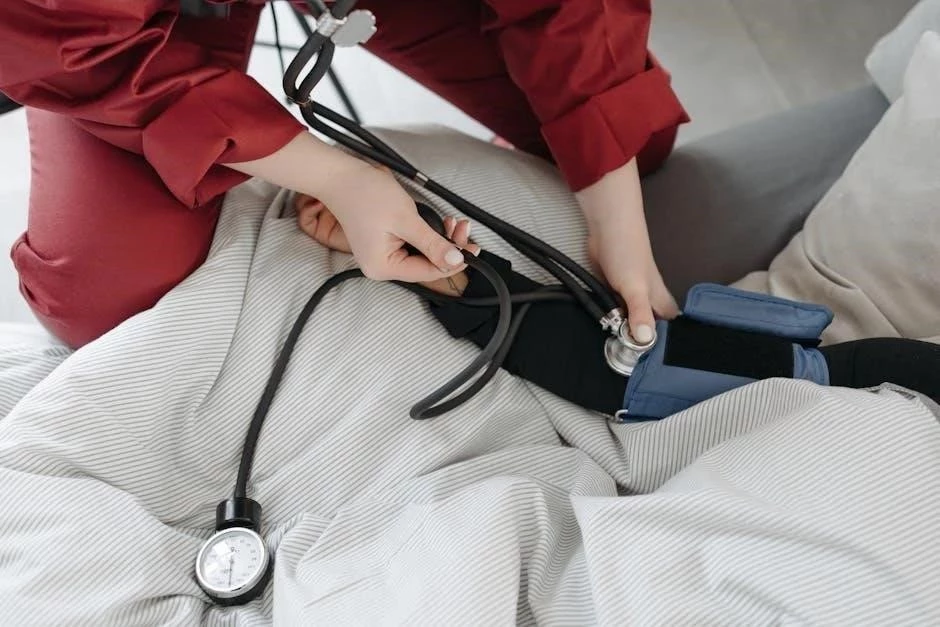
- Assessment and Vital Signs: Continuous monitoring of heart rate, oxygen saturation, and respiratory effort.
- Medication Management: Handling complex pharmacological regimens, including IV medications, nebulizers, and emergency seizure rescue drugs.
- Airway Management: Ensuring the patency of tracheostomy tubes, performing emergency tube changes, and managing ventilator settings.
- Documentation: Maintaining detailed clinical notes that are essential for ongoing insurance authorization and communication with the child’s specialists.
- Care Coordination: Acting as a bridge between the parents and the various doctors at institutions like Morgan Stanley Children’s Hospital or Mount Sinai Kravis Children’s Hospital.
Navigating New York State DOH Regulations and Medicaid
The funding and regulation of home nursing for medically fragile kids NYC are primarily overseen by the NY State DOH. Understanding the regulatory landscape is vital for parents. In New York, the “Medically Fragile Children” designation allows for specific protections and access to the Care at Home (CAH) waiver programs.
- The CAH Waiver: This allows Medicaid eligibility for children regardless of parental income if the child’s medical needs meet the hospital-level care criteria.
- Prior Authorization (PA): Every hour of nursing care must be “medically necessary” and authorized by the state or a Managed Care Organization (MCO).
- LPN vs. RN Roles: New York law defines what a Licensed Practical Nurse can do versus a Registered Nurse. Generally, RNs perform the assessments and develop the Plan of Care (POC).
- EPSDT Benefit: The Early and Periodic Screening, Diagnostic, and Treatment benefit ensures that children under 21 receive the necessary services to correct or ameliorate physical and mental conditions.
The Role of the Nurse in the NYC School System
One unique aspect of home nursing for medically fragile kids NYC is the “School Nurse” or “1:1 Nurse” program. The New York City Department of Education (DOE) works in tandem with home care agencies to ensure that children can attend school safely. If a child is authorized for PDN, their Nurse Services often extend to the school bus and the classroom.
- IEP Integration: The need for 1:1 nursing must be documented in the child’s Individualized Education Program.
- Transportation Safety: Nurses accompany the child on the bus, managing equipment like portable oxygen and suction machines during the commute.
- Classroom Support: The nurse provides medical interventions quietly in the classroom, allowing the child to focus on learning and social interaction.
- Emergency Response: Having a dedicated nurse ensures that if a medical emergency occurs in school, the child receives immediate, specialized attention.
Challenges and Solutions in Urban Home Care
Providing Nurse Services in New York City presents unique challenges. From the logistics of getting medical supplies into a walk-up apartment to the ongoing nursing shortage, families must be resilient. However, NYC also offers some of the best pediatric specialized care in the world.
- Staffing Consistency: NYC is currently facing a shortage of pediatric-trained nurses. Families often work with multiple agencies to fill their authorized hours.
- Space Constraints: Many NYC homes are small. Nurses are trained to organize medical supplies efficiently, creating a “mini-ICU” environment within limited square footage.
- Emergency Preparedness: Living in NYC means planning for power outages or transit delays. Home nurses help families create “Go-Bags” and emergency backup plans for ventilators and other life-saving equipment.
- Cultural Sensitivity: NYC is a melting pot. The best Nurse Services are those that respect the cultural and linguistic backgrounds of the families they serve.
Emotional and Psychological Impact on the Family
While the focus of home nursing for medically fragile kids NYC is often clinical, the emotional impact cannot be overstated. Having a nurse in the home allows parents to return to being “mom and dad” rather than just medical providers. This shift is essential for the mental health of the entire family unit, including siblings who often feel the strain of a brother’s or sister’s illness.
- Respite for Caregivers: Nursing hours provide parents the opportunity to sleep, work, or spend time with other children, knowing their child is safe.
- Empowerment: Nurses teach parents how to handle equipment, giving them confidence in managing their child’s health.
- Advocacy: Nurses often become fierce advocates for the child, helping families navigate the complexities of the NYC healthcare system.
- Quality of Life: Ultimately, the goal of these Nurse Services is to maximize the child’s quality of life, allowing them to participate in family dinners, outings to Central Park, and holiday celebrations.
Nurse Insight: In my experience, the most successful home care arrangements are built on open communication. Don’t be afraid to interview several nurses to find the right “fit” for your family’s personality. While clinical skills are non-negotiable, the person entering your home should also feel like a trusted partner in your child’s journey. Always keep a backup battery for every piece of equipment, especially in NYC where the grid can be unpredictable!
Frequently Asked Questions
How do I qualify for home nursing for medically fragile kids NYC?
Qualification typically requires a medical determination that the child is “medically fragile,” meaning they require continuous skilled nursing care (Private Duty Nursing) that exceeds the scope of a standard home health aide. This is usually documented by the child’s primary specialist and approved through the New York State Department of Health or a Medicaid Managed Care plan.
What specific Nurse Services are provided in a home setting?
Nurse Services include ventilator management, tracheostomy care, suctioning, enteral feeding (G-tube/J-tube), intravenous therapy, seizure monitoring, and complex medication administration. Nurses also provide education to caregivers and coordinate with the child’s medical team to adjust the plan of care as the child grows.
Does Medicaid pay for Private Duty Nursing in New York?
Yes, New York Medicaid is a primary funder of Private Duty Nursing for medically fragile children. Programs like the Medically Fragile Children’s Waiver and the Care at Home (CAH) program are designed to help families access these services regardless of parental income, ensuring the child can stay at home rather than in a long-term care facility.
Can a private duty nurse accompany my child to school?
Yes, in NYC, many children receive nursing services that transition from the home to the classroom. This is often written into the child’s Individualized Education Program (IEP) to ensure safety and medical stability during the school day, including during transport on the school bus.
What is the difference between an RN and an LPN for home care?
Both Registered Nurses (RNs) and Licensed Practical Nurses (LPNs) provide skilled care. RNs typically handle the initial assessment, care planning, and highly complex clinical decisions, while LPNs provide the daily continuous care under the supervision of an RN or physician. Most NYC agencies use a combination of both to staff a child’s case.
Contact ProLife Home Care NYC for a free clinical assessment:(718) 232 – 2777