As a Senior Nurse who has worked within the NYC healthcare system for over fifteen years, I have seen firsthand the struggles families face when trying to coordinate specialized care for their children. Navigating the world of Medicaid dental for disabled children NYC requires patience, persistence, and a deep understanding of the available resources. Your child's oral health is a gateway to their overall well-being, and every child, regardless of their physical or cognitive challenges, deserves a pain-free, healthy smile. I am here to help you bridge the gap between policy and practice, ensuring your family receives the compassionate care you deserve right here in our city.
Clinical Quick Answer
Medicaid dental for disabled children NYC provides full coverage for preventive, restorative, and emergency services, including specialized accommodations like hospital-based sedation for patients with severe sensory or physical limitations. Accessing these benefits involves utilizing Managed Care Organizations (MCOs) and seeking out academic dental centers or specialized pediatric clinics that accept New York State Medicaid. To ensure comprehensive wellness, families should also integrate specialized resources like a Foot Care Guide to manage the secondary physical challenges often associated with complex pediatric disabilities;
Understanding Medicaid Dental Benefits for Disabled Children in NYC
For parents navigating the New York Medicaid system, the dental benefit package for children-specifically those with disabilities-is surprisingly robust, though it requires a significant amount of administrative legwork. Under the Early and Periodic Screening, Diagnostic, and Treatment (EPSDT) benefit, Medicaid must provide any service that is medically necessary to correct or ameliorate defects and physical and mental illnesses. This means that if your child needs a specific dental procedure to maintain their health, Medicaid is federally mandated to cover it.
- Preventative Services: Regular cleanings, exams, and x-rays are covered every six months, with more frequent visits allowed if medically justified by the child’s condition.
- Restorative Care: Fillings, crowns (including stainless steel for primary teeth), and root canals are fully covered when decay is present.
- Specialized Accommodations: Medicaid covers the additional time and staff required for “desensitization visits,” where a child visits the office just to get used to the environment without undergoing a procedure.
- Emergency Services: 24/7 coverage for toothaches, infections, or trauma is a core component of the NYC Medicaid dental plan.
- Orthodontics: While typically seen as cosmetic, braces are covered for disabled children if they meet the “medically necessary” criteria, such as preventing trauma to the mouth or allowing for proper nutrition.
Eligibility, Documentation, and the NYC Managed Care System
To access Medicaid dental for disabled children NYC, your child must first be enrolled in Medicaid through the New York State of Health Marketplace or the Human Resources Administration (HRA). Most NYC residents are then enrolled in a Managed Care Plan (MCO) like Healthfirst, MetroPlus, or Fidelis Care. Each of these plans has a specific network of dental providers, and it is crucial to understand how to navigate their unique requirements.
- Proof of Disability: Ensure your child’s SSI (Supplemental Security Income) status or “Disabled” designation is correctly coded in the Medicaid system to unlock enhanced benefits.
- The Letter of Medical Necessity: This is your most powerful tool. A letter from your child's pediatrician or neurologist explaining why they need specialized dental care (like sedation) is often required for prior authorization.
- Individualized Education Program (IEP): Sometimes, dental issues are linked to speech or feeding goals in an IEP. Providing this documentation can help justify the need for certain orthodontic or restorative treatments.
- NY State DOH Resources: You can verify your rights and find updated policy manuals at the NY State DOH website, which outlines the specific “Dental Policy and Procedure Manual” for providers.
- Choosing the Right MCO: Some plans have larger networks of special needs dentists than others; don’t hesitate to switch plans during the open enrollment period if your current plan lacks specialized providers.
Finding Specialized Pediatric Dentists in the Five Boroughs
NYC is home to some of the best dental schools and specialized clinics in the world, but finding one that accepts Medicaid and has openings can be a challenge. When looking for a provider, search for “pediatric dentists with special needs experience.” These offices are designed with wider hallways for wheelchairs, sensory-friendly lighting, and staff trained in behavioral management techniques.
- Academic Centers: NYU College of Dentistry's “Oral Health Center for People with Disabilities” is a state-of-the-art facility specifically designed for this population.
- Hospital Outpatient Clinics: Facilities like Mount Sinai, Montefiore in the Bronx, and New York-Presbyterian have dedicated dental departments that handle complex cases.
- Community Health Centers (FQHCs): Many Federally Qualified Health Centers in Brooklyn and Queens offer dental services on a sliding scale and accept all Medicaid plans.
- Mobile Dental Units: Some organizations operate vans that visit special education schools (District 75) in NYC, providing care in a familiar environment for the child.
- The “First Visit” Strategy: Always schedule a consultation before a treatment visit to assess if the dentist's communication style aligns with your child's needs.
Navigating Hospital-Based Dental Care and Sedation
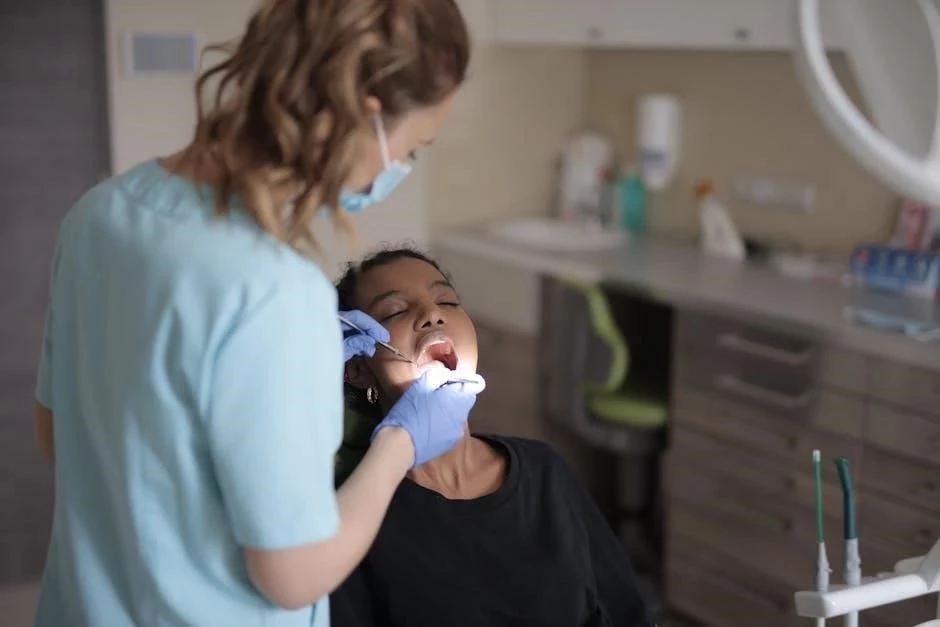
For many children with autism, cerebral palsy, or severe anxiety, a traditional dental chair is not a safe or viable option. In these cases, hospital-based dental care under general anesthesia is the standard of care. This ensures the child is completely still and comfortable while the dentist performs all necessary work-cleanings, fillings, and extractions-in one single session.
- Nitrous Oxide (Laughing Gas): A mild sedative used in-office to help anxious children relax without losing consciousness.
- IV Sedation: Often performed in specialized clinics with an anesthesiologist present, offering a deeper level of relaxation than nitrous oxide.
- General Anesthesia: Reserved for extensive work or children who cannot safely be sedated in an office. This takes place in an operating room (OR).
- The Waitlist Challenge: Be aware that OR time in NYC hospitals is limited; waitlists for dental surgery can range from three to nine months, so plan ahead.
- Post-Operative Care: Ensure you have a clear plan for recovery, especially if your child has difficulty communicating pain or discomfort.
Integrating Holistic Health: The Importance of a Foot Care Guide
When we talk about the health of a child with disabilities, we cannot look at the mouth in isolation. Many children who require specialized Medicaid dental for disabled children NYC also struggle with mobility, gait abnormalities, and sensory issues related to their feet. This is why incorporating a Foot Care Guide into your child’s overall health management is essential. Physical stability affects how a child sits in a dental chair and how they experience the world.
- Mobility and Transfers: A child with foot pain or improper bracing (AFOs) may find it difficult to transfer to a dental chair, increasing anxiety and physical stress.
- Sensory Integration: Sensory-defensive children often have high sensitivity in both their mouths and their feet; using a Foot Care Guide to desensitize the feet can sometimes help with oral desensitization.
- Systemic Connections: Conditions like diabetes or certain genetic syndromes can impact both gum health and peripheral circulation in the feet.
- Proper Footwear: Ensuring your child has supportive, well-fitted shoes for dental appointments can help with stability during the “waiting room” period and the transition back home after sedation.
- Podiatric Coordination: Just as you coordinate with a dentist, ensure your child's podiatrist is aware of any medications or surgeries planned, as systemic health affects healing across the board.
Tips for Reducing Anxiety and Improving Oral Hygiene at Home
The best way to minimize the need for invasive dental work is a rigorous at-home routine. However, for a child with sensory processing issues, brushing teeth can feel like a physical assault. As a nurse, I recommend a gradual “step-ladder” approach to oral hygiene that respects the child’s limits while maintaining health.
- Sensory-Friendly Tools: Try “three-sided” toothbrushes that clean all surfaces of the tooth at once, or silicone finger brushes for children who bite down.
- Flavorless Toothpaste: Many children with disabilities are overwhelmed by the “burn” of mint; look for unflavored or mildly sweet non-foaming pastes.
- Visual Schedules: Use “First/Then” boards (e.g., “First brush, then iPad”) to help the child understand the routine and the reward.
- Modeling Behavior: Let your child watch you brush your teeth, or let them “brush” the teeth of a favorite stuffed animal or doll.
- Positive Reinforcement: Use a sticker chart or a high-value reward that is only given after a successful (even if short) brushing session.
Nurse Insight: In my experience, the biggest hurdle for NYC families isn’t the lack of coverage, but the lack of communication between providers. I always tell my families to keep a “Healthcare Binder” that includes a copy of the child's latest IEP, a current list of medications, and the contact info for all specialists. When you walk into a dental office in Brooklyn or Manhattan with all your paperwork organized, you are immediately seen as a partner in your child’s care, which often leads to better outcomes and faster authorizations. Also, never underestimate the power of a “Foot Care Guide” to ensure your child’s physical comfort-if their feet are comfortable and they feel stable, they are much less likely to have a sensory meltdown in the dentist’s chair.
Frequently Asked Questions
How do I apply for the “Disabled” designation on my child’s Medicaid?
In NYC, this usually happens through the Social Security Administration (SSA) if your child qualifies for SSI. If they do not qualify for SSI but have a disability, you can submit a “Medical Evidence of Disability” packet to the HRA or your Managed Care Plan’s disability review unit to have their status updated for dental benefit purposes.
Will Medicaid pay for a private dentist who doesn’t take Medicaid?
Generally, no. Medicaid will only pay participating providers. However, if there are absolutely no participating providers in your area who can treat your child’s specific condition, you can request an “Out-of-Network Referral” from your Managed Care Plan, which may allow you to see a specialist at no cost.
What should I do if my child's dental claim is denied?
You have the right to appeal. Start by requesting a “Fair Hearing” through the New York State Office of Administrative Hearings. Often, claims are denied because of missing documentation, so ensuring your dentist has provided a detailed narrative of medical necessity is the first step in winning an appeal.
Are there any NYC-based non-profits that help with dental costs?
Yes, organizations like the “Inclusion Network” and various disability-specific foundations (like the United Cerebral Palsy of NYC) can sometimes provide grants or navigation services to help families access care that Medicaid might not fully cover, such as specific types of sedation or specialized equipment.
How often should a child with a disability see a dentist?
While the standard is every six months, many NYC Medicaid plans will cover visits every three to four months for children with high-risk conditions or those who cannot perform effective daily oral hygiene. Consult with your dentist to create a “High-Risk Maintenance Plan” that Medicaid will approve.
Contact ProLife Home Care NYC for a free clinical assessment:(718) 232 – 2777
Contact ProLife Home Care NYC for a free clinical assessment: (718) 232-2777