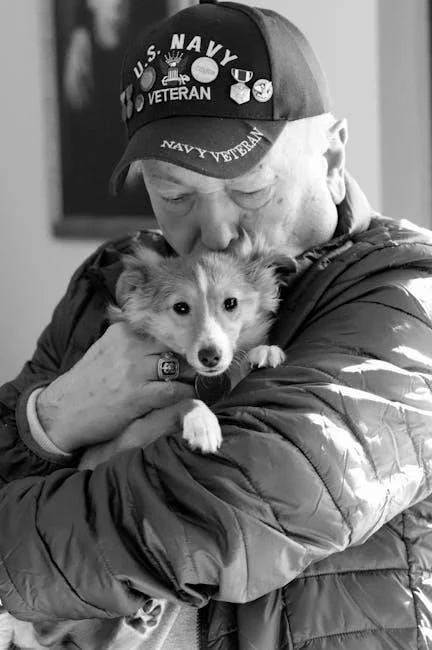
As a senior nurse who has spent decades serving families across New York City’s five boroughs, I have seen the profound difference that home-based dignity makes for our aging veterans. Our heroes deserve more than just a clinical checklist; they deserve the comfort of their own living rooms and the hands of people they trust implicitly. The evolution of care in 2026 ensures that family caregivers are not just recognized but are empowered and compensated for their tireless devotion. Navigating these systems can feel overwhelming, but my goal is to help your family find the path that honors your veteran’s service while providing the professional support you all need.
Clinical Quick Answer
The Veteran Directed Care program NY provides veterans with a flexible budget to manage their own long-term services, allowing them to hire personal assistants—including family members—instead of moving to a nursing home. While similar in its self-directed philosophy to the Medicaid-funded CDPAP Program, VDC is specifically managed through the VA and is available to veterans of all ages who meet clinical ‘nursing home level of care’ criteria. In 2026, New York City veterans can utilize these programs to maintain independence, control their care schedules, and ensure their physical and emotional needs are met by caregivers of their choosing.
Understanding the Veteran Directed Care Program NY (VDC)
The Veteran Directed Care program NY is a revolutionary model of care that places the power back into the hands of those who served. Unlike traditional home care where an agency assigns a stranger to enter the home, VDC treats the veteran as the employer; This program is designed for veterans who need help with daily activities and want to remain in their communities rather than transitioning to an assisted living facility or nursing home. In 2026, the program has expanded its reach in NYC, streamlining the partnership between the Veterans Affairs Medical Centers (VAMC) and local aging and disability resource centers.
- Self-Directed Authority: Veterans have the right to recruit, hire, train, and even terminate their own personal care assistants.
- Flexible Budgeting: The VA allocates a monthly budget based on the veteran’s specific clinical needs, which can be used for caregiving wages or items that increase independence.
- Geographic Coverage: Available across Manhattan, Brooklyn, Queens, the Bronx, and Staten Island, coordinated through the Bronx, Manhattan, or Brooklyn VAs.
- Clinical Oversight: While the veteran manages the day-to-day, a VA counselor provides ongoing support to ensure the care plan is meeting health goals.
- Equipment and Supplies: The budget may sometimes be used for home modifications or specialized equipment not covered by standard insurance.
Comparing VDC and the CDPAP Program
In New York, many veterans and their families often confuse the Veteran Directed Care program with the CDPAP Program (Consumer Directed Personal Assistance Program). While they share a similar “consumer-directed” philosophy, they are distinct programs with different funding streams and rules. Understanding the nuances between them is critical for maximizing the benefits available to a veteran living in NYC.
- Funding Source: VDC is funded through the Veterans Health Administration (VHA), whereas the CDPAP Program is funded through New York State Medicaid.
- Eligibility Requirements: VDC requires the veteran to be enrolled in the VA health system and meet specific clinical “risk” criteria. CDPAP requires the individual to be eligible for NYC Medicaid and have a stable medical condition.
- Spousal Caregivers: Traditionally, CDPAP has had stricter rules regarding spouses acting as paid caregivers, whereas VDC often allows for more flexibility depending on the specific VA region’s policies.
- Assessment Process: CDPAP requires an assessment by the New York Independent Assessor (NYIA), while VDC assessments are handled by VA clinical teams and social workers.
- Caregiver Pay Rates: Both programs offer competitive wages, but the VDC budget is often more tailored to the specific complexity of the veteran’s service-connected or age-related disabilities.
Clinical Eligibility and “Nursing Home Level of Care”
To qualify for the Veteran Directed Care program NY in 2026, a veteran must demonstrate a clinical need for assistance that would otherwise require them to live in a nursing facility. This is not just about age; it is about the functional limitations that impact safety and health. The VA uses a comprehensive assessment to determine the “tier” of care required.
- Activities of Daily Living (ADLs): Requirement for hands-on assistance with bathing, dressing, toileting, transferring (moving from bed to chair), and eating.
- Instrumental Activities of Daily Living (IADLs): Need for help with meal preparation, medication management, laundry, and shopping to maintain a safe environment.
- Cognitive Impairment: Veterans with Alzheimer’s, dementia, or Traumatic Brain Injury (TBI) often qualify due to the need for constant supervision and “cueing.”
- Isolation Risks: Veterans living alone in NYC high-rises who are at high risk for falls or medical emergencies without a present caregiver.
- Service-Connected Status: While not always required, having a service-connected disability can often expedite the referral process within the VA system.
The Role of the Financial Management Service (FMS)
One of the most daunting aspects of the Veteran Directed Care program NY is the administrative side of being an employer. Fortunately, the program provides a Financial Management Service (FMS) to act as the “fiscal intermediary.” This is very similar to how the CDPAP Program operates in New York City, ensuring that the veteran doesn’t have to worry about tax withholding or payroll processing.
- Payroll Handling: The FMS processes timesheets and issues checks or direct deposits to the hired caregivers.
- Tax Compliance: The service handles federal and state employment taxes, Social Security, and unemployment insurance.
- Budget Tracking: Veterans receive monthly statements showing how much of their budget has been spent and what remains for the fiscal year.
- Worker’s Compensation: The FMS ensures that caregivers are covered by worker’s compensation insurance, protecting the veteran from liability.
- Background Checks: The service can assist in conducting necessary background checks to ensure the safety and security of the veteran.
How to Enroll: The Path for NYC Veterans
Enrolling in the Veteran Directed Care program NY requires a proactive approach. Because this is a specialized program with limited “slots” or budget allocations, families in New York City should start the conversation with their VA primary care team as early as possible. The process involves multiple steps of clinical and administrative verification.
- Step 1: VA Enrollment: Ensure the veteran is enrolled in the VA health care system and has a designated Primary Care Physician (PCP).
- Step 2: Social Work Referral: Ask the PCP for a referral to a VA Social Worker specifically for “Long Term Services and Supports” (LTSS) and mention interest in the VDC.
- Step 3: Clinical Assessment: A nurse or social worker will conduct an assessment of the veteran’s ADL needs and cognitive status.
- Step 4: Budget Development: Once approved, the veteran works with a VDC counselor to determine the monthly budget based on the required hours of care.
- Step 5: Hiring: The veteran identifies their caregiver (a friend, neighbor, or family member) and completes the onboarding paperwork with the FMS.
Legal and Regulatory Resources in NY
Navigating home care in New York requires staying updated on state and federal regulations. For those who may not qualify for VDC, the CDPAP Program remains a vital secondary option. It is essential to consult official resources to ensure compliance with New York labor laws and healthcare mandates. For more information on state-specific health regulations, you can visit the NY State DOH website, which provides comprehensive guides on consumer-directed care and patient rights.
- New York State Department of Health: Provides the latest updates on Medicaid eligibility and home care worker wage parity laws.
- NYC Department for the Aging (DFTA): Offers local resources and “Caregiver Resource Centers” in every borough to help families manage the stress of caregiving.
- Veterans Affairs (VA) Website: The central hub for federal benefit updates and VDC program availability across different states.
- Legal Aid Society: Can provide assistance if a veteran is denied benefits or needs help with Medicaid “spend-down” requirements to qualify for the CDPAP Program.
- NY Connects: A trusted resource for free, unbiased information about long-term services and supports in New York State.
Nurse Insight: In my experience, the greatest challenge for families isn’t the physical care—it is the paperwork and the shift in family dynamics. When you hire a family member through the Veteran Directed Care program NY or the CDPAP Program, you are formalizing a role they likely already perform. My advice is to keep a clear log of care hours from day one and treat the ‘hiring’ process with the same professionalism you would a stranger. This protects the caregiver’s income and ensures the veteran receives the highest standard of consistent care without the ‘burnout’ that often hits unpaid family members.
Frequently Asked Questions
Does the Veteran Directed Care program NY pay as much as a regular job?
The pay rate is determined by the VA budget and local NYC market rates for home health aides. While it is a competitive wage designed to provide a living for the caregiver, it also includes the benefit of working from home and providing care to a loved one, which many find invaluable.
Can I switch from the CDPAP Program to VDC if I am a veteran?
Yes, but it requires careful coordination. You must be eligible for VA benefits and the VDC must have an open slot. Switching might be beneficial if the VDC budget offers more flexibility or better coverage for your specific needs than Medicaid’s CDPAP.
What happens if my caregiver gets sick or needs a vacation?
The VDC program allows you to have “backup” caregivers. Veterans are encouraged to hire and train more than one person so that care remains consistent if the primary caregiver is unavailable.
Are there age limits for veterans to participate in the VDC in NYC?
No, there are no age limits. Whether a veteran is 25 or 95, as long as they meet the clinical criteria for needing a nursing home level of care and are enrolled in the VA, they are eligible to apply for the Veteran Directed Care program NY.
Can I use the VDC budget to buy things like a hospital bed or a wheelchair?
Yes, part of the flexibility of the VDC program is the ability to use the budget for goods and services that increase independence, provided they are approved in the care plan and are not already covered by VA health insurance.
Contact ProLife Home Care NYC for a free clinical assessment:(718) 232 – 2777