
As a nurse walking the diverse neighborhoods of New York City, I have witnessed the heavy emotional burden families carry when a parent chooses to age in place. Our goal is to ensure that your loved ones can maintain their dignity and independence without sacrificing the safety that a clinical environment provides. By 2026, the integration of voice-activated technology has become a vital bridge, connecting isolated seniors to their families and emergency services in an instant. We believe that every NYC apartment should be a fortress of health, where technology serves as a silent, watchful guardian for those who raised us.
Clinical Quick Answer
Smart home technology for NYC seniors has transitioned from simple gadgets to comprehensive clinical safety ecosystems that utilize AI-driven voice recognition and ambient sensors. These systems provide a 2026 standard for Home Safety NYC by eliminating the need for cumbersome wearable pendants and instead using multi-room voice hubs to detect falls, medical distress, or environmental hazards. This upgrade allows for immediate emergency dispatch and real-time family notifications, significantly reducing ‘long-lie’ times following a fall or medical event.
The Evolution of Home Safety NYC in the Digital Age
- Urban Challenges: New York City apartments present unique risks, including cramped layouts, high thresholds in pre-war buildings, and the noise pollution that can drown out a traditional cry for help.
- Beyond the Pendant: Statistics show that over 80% of seniors do not wear their emergency buttons during a fall; voice-activated systems solve this by being accessible everywhere in the home.
- Environmental Monitoring: Modern Home Safety NYC protocols now include sensors for smoke, carbon monoxide, and even water leaks, which are critical in multi-unit dwellings where one apartment’s disaster can affect many.
- Social Connectivity: 2026 technology focuses on reducing senior isolation, a major clinical risk factor, by making video calls and community updates as simple as a spoken command.
- Health Integration: Systems are now syncing with wearable health trackers to provide a holistic view of the senior’s vitals, alerting nurses or family members before a crisis occurs.
In the past, ensuring the safety of a senior living in a high-rise meant frequent, sometimes intrusive, check-ins. Today, the 2026 upgrade to voice-activated systems allows us to monitor the environment non-invasively. For an NYC senior, the ability to say “Help, I need my daughter” and have the system immediately initiate a high-definition video call is life-changing. These advancements address the specific architectural and social challenges of living in New York, where neighbors are close but often strangers, and family may be across the bridge or across the country.
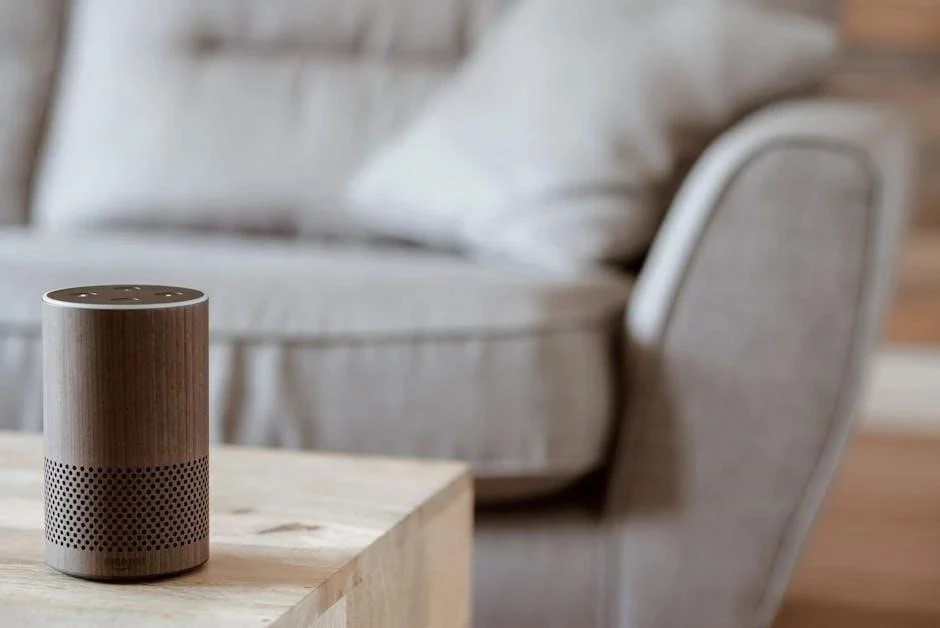
Voice-Activated Emergency Response: A Clinical Necessity
- Natural Language Processing: 2026 systems can distinguish between a casual mention of “falling” and a genuine scream for help, reducing false alarms while ensuring rapid response.
- Hands-Free Operation: In the event of a stroke or physical injury where the senior cannot move their arms, voice activation remains the only viable communication channel.
- Multilingual Support: Recognizing NYC’s diversity, these systems now support over 50 languages and dialects, ensuring that non-English speaking seniors can still access emergency services.
- 24/7 Professional Monitoring: Voice hubs can be linked to professional dispatchers who are trained to handle geriatric emergencies and have access to the senior’s medical history.
- Intercom Functionality: Family members can “drop in” via voice to check on their loved ones if they aren’t answering their phones, providing immediate peace of mind.
From a clinical perspective, the first ten minutes after an emergency are the most critical. When we discuss smart home technology for NYC seniors, we are talking about minimizing that gap. A senior who falls in a bathroom and cannot reach their phone or a wall-mounted button is at high risk for dehydration, muscle breakdown, and psychological trauma. Voice-activated hubs placed strategically in the bathroom, bedroom, and kitchen ensure that no matter where the accident occurs, a call for help is heard and acted upon instantly.
Automated Fall Prevention and Ambient Lighting
- Predictive Lighting: Motion sensors detect when a senior gets out of bed at night and automatically illuminate a path to the bathroom, significantly reducing the risk of tripping.
- LiDAR Technology: Some 2026 systems use wall-mounted LiDAR to detect changes in gait or sudden drops in height without the use of cameras, preserving privacy while ensuring safety.
- Rug and Obstacle Alerts: Smart vacuum systems can map the home and alert family members if a new trip hazard, such as a loose rug or a misplaced box, is detected.
- Floor Sensors: Pressure-sensitive floor mats under rugs can alert caregivers if a senior has been stationary on the floor for an unusual amount of time.
- Health Dashboarding: These systems compile data on activity levels, helping nurses identify a decline in mobility that might precede a fall.
Fall prevention is the cornerstone of Home Safety NYC. In our practice, we see many injuries caused by “night-time wandering” or searching for a light switch in the dark. By automating the lighting and using ambient sensors to track movement patterns, we can intervene before a fall happens. If the data shows that a senior is making ten trips to the bathroom a night, it may indicate a urinary tract infection or a medication side effect that needs clinical attention. This is the power of proactive 2026 smart home technology.
Medication Management and Chronic Care Monitoring
- Voice Reminders: Instead of a buzzing alarm, a friendly voice reminds the senior: “It’s time to take your heart medication with a glass of water.”
- Smart Pill Dispensers: These devices lock and unlock at specific times and can notify the family if a dose is missed, preventing dangerous medication errors.
- Telehealth Integration: Voice hubs can serve as the interface for weekly check-ins with a nurse, making remote clinical care accessible for those who struggle with smartphones.
- Vitals Syncing: Blood pressure cuffs and glucose monitors now automatically send data to the smart hub, which then forwards it to the primary care physician.
- Hydration Tracking: Smart water bottles or kitchen sensors can prompt a senior to drink more water, which is vital for preventing dizziness and cognitive fog.
Medication non-compliance is one of the leading causes of hospital readmission among NYC seniors. Smart home technology for NYC seniors offers a sophisticated solution by turning medication management into a guided, interactive experience. When a senior hears a familiar voice giving them instructions, they are more likely to comply than when faced with a confusing pillbox. This level of oversight is particularly helpful for patients with early-stage dementia who need gentle redirection throughout the day.
Financing and NYC Medicaid Integration for 2026
- CDPAP Flexibility: The Consumer Directed Personal Assistance Program (CDPAP) allows for more personalized care, which can include the setup and monitoring of safety tech by a chosen caregiver.
- MLTC Benefits: Many Managed Long-Term Care plans in New York are beginning to offer “safety stipends” for technology that prevents expensive ER visits.
- Grant Programs: Various NYC-based non-profits provide grants for “aging in place” modifications, which include smart home installations for low-income seniors.
- Tax Incentives: New York State has proposed tax credits for families who invest in certified home safety technologies for their elderly dependents.
- Professional Assessment: It is recommended to have a nurse or occupational therapist perform a “Home Safety Audit” to determine which tech is medically necessary for insurance claims.
Navigating the financial aspect of Home Safety NYC can be daunting. However, as the healthcare system shifts toward value-based care, the emphasis is on keeping seniors out of the hospital. You can learn more about official state guidelines at the NY State DOH website. We encourage families to speak with their Medicaid coordinators about “Environmental Accessibility Modifications” (EAM), as many voice-activated safety features may fall under this category in 2026.
Implementation Guide: Transforming an NYC Apartment
- Phase 1: Connectivity: Ensure the apartment has high-speed internet and a mesh Wi-Fi system to reach every room, including the bathroom.
- Phase 2: The Core Hub: Place a smart display (like an Echo Show or Nest Hub) in the kitchen and smaller voice-only hubs in the bedroom and bathroom.
- Phase 3: Sensor Placement: Install contact sensors on the front door (to monitor wandering) and motion sensors in high-traffic hallways.
- Phase 4: Family Setup: Configure the “Care Circle” app so that multiple family members receive alerts, ensuring that the burden of monitoring is shared.
- Phase 5: The “Dry Run”: Spend an afternoon with the senior practicing voice commands like “Call for help” or “I need the nurse” until they feel confident.
Implementing smart home technology for NYC seniors should be a collaborative process. We recommend starting small—perhaps just a voice hub in the kitchen—and gradually adding sensors as the senior becomes comfortable. The goal is not to turn their home into a laboratory, but to create a supportive environment that enhances their quality of life. By 2026, these installations have become standard practice for families who want to provide the highest level of care for their aging loved ones in the city.
Nurse Insight: In my experience, the greatest barrier to safety isn’t the cost of the technology, but the senior’s fear of losing their privacy or feeling “monitored.” When I talk to my patients, I emphasize that this technology is about keeping them out of the nursing home and in their own apartment. I’ve seen a simple $50 voice-activated light save a patient from a hip fracture, and I’ve seen families finally get a good night’s sleep knowing their mom can call for help with just a whisper. Start the conversation with love and focus on the independence it provides.
Frequently Asked Questions
Does NY Medicaid or CDPAP cover the cost of smart home technology for NYC seniors?
While traditional Medicaid does not always provide direct reimbursement for consumer electronics, many Managed Long-Term Care (MLTC) plans and CDPAP programs in New York allow for environmental modifications and “Personal Emergency Response Systems” (PERS) as part of a home care plan. By 2026, many integrated health plans recognize smart hubs as essential safety equipment, potentially qualifying them for coverage under specialized home-based waiver programs.
How do voice-activated systems handle the privacy concerns of elderly residents?
Privacy is a primary clinical concern; modern systems for 2026 are designed with “Privacy-First” architectures. These include physical mute switches, local data processing that doesn’t upload audio to the cloud unless an emergency keyword is triggered, and end-to-end encryption for all family-shared alerts, ensuring that the senior’s home remains a private sanctuary while maintaining safety.
Will these smart home safety features work in older NYC pre-war buildings?
Yes, but they may require mesh Wi-Fi systems to overcome thick plaster and brick walls common in NYC pre-war architecture. We recommend installing a robust router system to ensure that sensors in the bathroom or bedroom stay connected to the central hub, as connectivity is the backbone of any Home Safety NYC strategy.
What happens if the internet goes out during an emergency?
High-end 2026 safety systems include cellular backup and battery power. Just like traditional home security, these voice-activated hubs transition to a 5G cellular network if the primary Wi-Fi fails, ensuring that the senior can still call for help even during a localized power or internet outage.
Can smart home technology replace a home health aide or CDPAP caregiver?
No, technology is a tool to augment care, not replace the human touch. While smart home technology for NYC seniors provides 24/7 monitoring and immediate alerts, it cannot provide the physical assistance, emotional support, and clinical assessment that a trained nurse or dedicated home health aide offers. It serves as an extra layer of protection when the caregiver is not in the room.
Contact ProLife Home Care NYC for a free clinical assessment:(718) 232 – 2777