{
“@context”: “https://schema.org”,
“@type”: “FAQPage”,
“mainEntity”: [
{
“@type”: “Question”,
“name”: “How does ambient technology differ from traditional medical alert buttons?”,
“acceptedAnswer”: {
“@type”: “Answer”,
“text”: “Traditional buttons require the senior to be conscious and willing to press a device, whereas ambient technology is passive, using sensors to detect falls or distress without any manual intervention from the resident.”
}
},
{
“@type”: “Question”,
“name”: “Are there ambient assisted living NYC apartments currently available?”,
“acceptedAnswer”: {
“@type”: “Answer”,
“text”: “Yes, several new luxury senior living developments in Manhattan and Brooklyn integrate these technologies, and many existing pre-war apartments are being retrofitted with discreet sensor packages to support aging in place.”
}
},
{
“@type”: “Question”,
“name”: “Does NY Medicaid cover the cost of these passive safety systems?”,
“acceptedAnswer”: {
“@type”: “Answer”,
“text”: “While Medicaid traditionally focuses on in-person care, certain MLTC (Managed Long Term Care) plans and the CDPAP program may allow for the purchase of environmental modifications or remote monitoring tools under the Home and Community-Based Services (HCBS) waivers.”
}
},
{
“@type”: “Question”,
“name”: “Do passive sensors use cameras that record video of my loved one?”,
“acceptedAnswer”: {
“@type”: “Answer”,
“text”: “Most high-quality ambient systems use radar, LIDAR, or infrared motion sensors that track movement patterns and heat signatures rather than recording visual video, ensuring maximum privacy in bedrooms and bathrooms.”
}
},
{
“@type”: “Question”,
“name”: “What is the first step in creating a Home Safety Guide for technology?”,
“acceptedAnswer”: {
“@type”: “Answer”,
“text”: “The first step is a clinical assessment of the senior’s specific risks, such as gait instability or cognitive decline, followed by a professional home walkthrough to identify high-risk zones like the bathroom and kitchen.”
}
}
]
}
As a nurse who has spent years visiting patients across the five boroughs, I have seen the profound anxiety families face when an aging parent insists on staying in their long-term home alone. We all want our loved ones to maintain their independence, but the fear of a silent fall or a missed medication dose can be overwhelming for adult children living miles away. The emergence of ambient assisted living NYC apartments is changing this narrative, providing a safety net that doesn’t feel like a surveillance state. My goal is to guide you through how these passive technologies can protect your family while honoring the dignity and privacy of our seniors.
Clinical Quick Answer
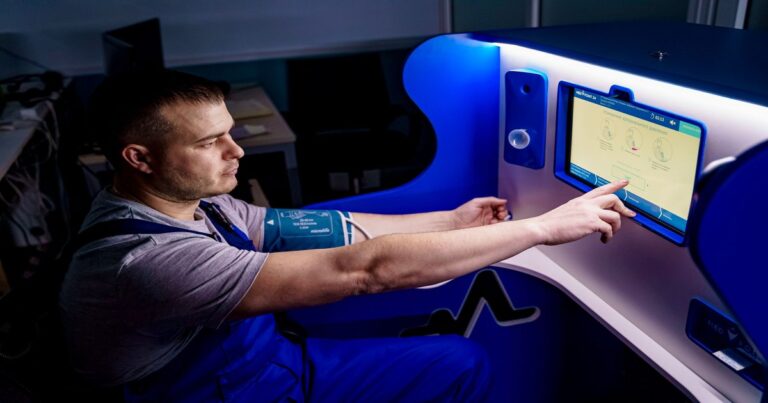
Passive safety in ambient assisted living environments utilizes non-intrusive sensor networks—including radar, motion, and acoustic sensors—to monitor a senior’s health and safety without requiring wearable devices or cameras. These systems analyze behavioral patterns to detect falls, changes in gait, or irregularities in daily routines, triggering alerts for caregivers or medical professionals. By integrating these tools into a comprehensive Home Safety Guide, NYC families can significantly reduce the risk of long-lie falls and delayed medical interventions for those aging in place.
The Shift from Reactive to Passive Safety in NYC Home Care
For decades, the gold standard for home safety was the personal emergency response system (PERS)—the classic button worn around the neck. However, clinical data shows that in over 80 percent of serious fall incidents, the senior does not or cannot press the button due to shock, unconsciousness, or cognitive impairment. This is where passive safety technologies come into play, specifically within the growing market of ambient assisted living NYC apartments.
- No Reliance on Memory: Seniors often forget to put on their wearables after a shower or at night, which are the highest-risk times for falls.
- Continuous Monitoring: Passive systems are always “on,” using the environment itself to gather data.
- Reduced Stigma: Many New York seniors reject traditional medical alerts because they feel these devices signal a loss of autonomy; ambient tech is invisible.
- Predictive Insights: Unlike a button that only reacts to a crisis, ambient systems can track slowing walking speeds, which often precede a fall by weeks.
Essential Technologies in Ambient Assisted Living NYC Apartments
In the dense living environments of New York City, technology must be precise and capable of filtering out “noise” from neighbors or street vibrations. Modern ambient assisted living NYC apartments are being outfitted with a sophisticated array of hardware that works in the background of daily life. These are not merely gadgets; they are clinical tools that provide a continuous stream of health data to the care team.
- Radar and LIDAR Sensors: These devices use light or radio waves to create a 3D map of movement, detecting the difference between a person sitting down quickly and a genuine fall.
- Smart Flooring: Some high-end NYC developments use floor sensors that detect the impact and pressure patterns of a human body hitting the ground.
- Acoustic Monitoring: Sophisticated AI can recognize the specific sound of glass breaking, a heavy thud, or a call for help, even if the senior is in another room.
- Non-Wearable Sleep Trackers: Placed under the mattress, these sensors monitor heart rate, respiratory rate, and sleep cycles to detect early signs of congestive heart failure or pneumonia.
Implementing a Comprehensive Home Safety Guide
Technology alone is not a solution; it must be part of a broader Home Safety Guide tailored to the unique architectural challenges of NYC housing. Whether it is a pre-war Walk-up in Astoria or a modern condo in Chelsea, the environment must be optimized to work with the technology. A nurse-led assessment is critical to ensuring that the sensors are placed in areas where risks are highest.
- Bathroom Optimization: The bathroom is the most dangerous room; sensors must be waterproof and positioned to cover the transition from the shower to the floor.
- Kitchen Safeguards: Passive stove-shutoff sensors can detect when a burner has been left on without motion in the room for a set period.
- Lighting Pathways: Integrated ambient lighting that turns on automatically when a senior sits up in bed at night can prevent trips before they happen.
- Entrance Monitoring: Sensors on the front door can alert family members if a loved one with early-stage dementia wanders out at unusual hours, a common concern in busy NYC neighborhoods.
Clinical Benefits: Monitoring Activities of Daily Living (ADLs)
From a clinical perspective, the true value of ambient assisted living is the ability to track Activities of Daily Living (ADLs) over time. As an RN, I look for “micro-changes” in behavior that indicate a decline in health. Ambient assisted living NYC apartments provide the data needed to catch these changes before they result in a hospital admission, which is a key goal of the NY State DOH long-term care initiatives.
- Toileting Patterns: An increase in bathroom visits at night can be an early indicator of a Urinary Tract Infection (UTI), which often causes confusion and falls in the elderly.
- Nutritional Monitoring: Sensors on the refrigerator and pantry can track how often a senior is accessing food, helping to identify signs of depression or malnutrition.
- Medication Adherence: Smart pill dispensers integrated into the ambient network can alert family if a dose is missed, preventing complications from chronic conditions like hypertension or diabetes.
- Social Engagement: By tracking movement through the apartment, we can see if a senior is becoming increasingly sedentary, which may indicate the onset of physical illness or cognitive decline.
Privacy, Ethics, and the “Big Brother” Concern
One of the primary hurdles in adopting ambient technology is the feeling of being watched. However, the design of these systems specifically targets privacy. Unlike cameras, which record visual data, the sensors used in ambient assisted living NYC apartments prioritize “data abstraction.” This means the system knows “a person fell,” but it does not “see” the person.
- Anonymized Data: Most systems convert movement into mathematical vectors rather than images.
- Data Sovereignty: Families can choose who has access to the alerts—whether it is a private caregiver, a nurse, or just the immediate family.
- Consent-Based Care: It is vital to involve the senior in the setup process, explaining that the technology is a tool for independence, not a replacement for their agency.
- Secure Networks: In NYC, where Wi-Fi signals overlap, using encrypted, medical-grade networks for these devices is essential to prevent data breaches.
Financial Considerations and NY Medicaid Support
For many NYC families, the cost of retrofitting an apartment or moving into a specialized facility is a major concern. As a Medicaid specialist, I often help families navigate the complex landscape of New York’s Managed Long Term Care (MLTC) programs. While not all ambient tech is covered by standard insurance, there are pathways to help offset the costs when integrated into a Home Safety Guide.
- MLTC Environmental Modifications: Some Medicaid plans may cover “environmental modifications” if they are proven to reduce the risk of institutionalization.
- CDPAP Flexibility: Under the Consumer Directed Personal Assistance Program (CDPAP), families have more control over their budget, which can sometimes be used to supplement care with monitoring technology.
- Tax Credits: New York State has occasionally offered tax incentives for home modifications that allow seniors to age in place safely.
- Long-Term Care Insurance: Many modern policies now recognize the cost-saving value of passive monitoring and may reimburse for the installation of sensor networks.
Nurse Insight: In my experience, the biggest hurdle isn’t the technology itself, but the fear that “Big Brother” is watching. I always tell my families: these sensors don’t see your loved one’s face; they see their safety. By the time a senior realizes they need help, it’s often after a traumatic event. Using a Home Safety Guide to set up ambient tech before the crisis occurs is the kindest thing a family can do. It keeps the senior in the NYC home they love while giving the children the ability to sleep through the night knowing they will be alerted if something goes wrong.
Frequently Asked Questions
How does ambient tech differ from life-alert buttons?
Unlike buttons that require the user to be conscious and physically able to press them, ambient technology uses sensors to automatically detect distress or falls, providing a higher level of protection for those with cognitive decline or high fall risks.
Are there ambient assisted living NYC apartments currently available?
Yes, many new senior-focused residential buildings in Manhattan, Brooklyn, and Queens are now built with these systems integrated into the infrastructure. Additionally, many private companies specialize in retrofitting existing NYC apartments with these passive safety tools.
Does NY Medicaid cover the cost of these passive safety systems?
Coverage varies by plan, but many MLTC (Managed Long Term Care) providers in New York recognize the value of remote monitoring. Families should consult with a Medicaid specialist to see if environmental modifications or PERS-plus packages are covered under their specific waiver.
Do passive sensors use cameras that record video of my loved one?
The vast majority of systems recommended in a professional Home Safety Guide do not use cameras. Instead, they use radar, motion sensors, and infrared technology to track movement without capturing visual images, protecting the resident’s privacy.
What is the first step in creating a Home Safety Guide for technology?
The process should begin with a clinical assessment by a nurse or occupational therapist to identify the senior’s specific physical and cognitive vulnerabilities. Once these are known, you can select the specific sensors—such as fall detection for the bathroom or door sensors for wandering—that meet those needs.
Contact ProLife Home Care NYC for a free clinical assessment:(718) 232 – 2777