As a senior nurse who has navigated the bustling corridors of NYC healthcare for decades, I understand the fear families feel when a parent or grandparent faces a sudden psychological decline․ In my years on the front lines, I have seen how the right intervention at the right moment can prevent unnecessary trauma and hospitalization․ The transition to the 2026 protocols for 988 represents a significant leap forward in how we protect our most vulnerable neighbors during their darkest hours․ My goal is to help you understand these changes so you can advocate for the compassionate, specialized care your loved one deserves․
Clinical Quick Answer
The 2026 NYC 988 protocols shift the focus of mental health crisis response NYC seniors from emergency room admissions to community-based stabilization through specialized Mobile Crisis Teams (MCTs)․ These teams are now equipped with geriatric psychiatric training to handle complex cases involving dementia, polypharmacy, and severe isolation․ A primary pillar of this updated strategy is the Mental Health Social Connection, which links seniors to long-term community support to address the root causes of psychological distress․
Evolution of the 988 Framework for Geriatric Care
The year 2026 marks a turning point in New York City’s approach to elderly behavioral health․ Historically, mental health emergencies among the elderly were often met with a 911 response, which frequently involved police officers and sirens that could exacerbate agitation in patients with cognitive impairment․ The new protocols prioritize the 988 Suicide & Crisis Lifeline as the primary entry point for all non-violent behavioral health concerns․
- Triage Specialization: When a caller identifies the person in crisis as a senior (age 65+), the 988 system now automatically routes the call to a specialist trained in geriatric psychiatry․
- Differentiating Delirium: Counselors are trained to ask specific screening questions to determine if the “psychiatric” issue is actually a medical emergency, such as a Urinary Tract Infection (UTI) or medication toxicity, which often presents as psychosis in seniors․
- Language Access: NYC’s 988 services have expanded their real-time translation capabilities for the top 10 languages spoken by NYC seniors, including Mandarin, Cantonese, Russian, and Spanish, ensuring that language barriers do not hinder crisis intervention․
- Coordination with MLTC: For those enrolled in Medicaid, the 988 system now has a pathway to instantly notify Managed Long Term Care (MLTC) providers to ensure continuity of care after the initial crisis․
Mental Health Crisis Response NYC Seniors: The Role of Mobile Crisis Teams
One of the most significant changes in the 2026 protocol is the deployment of “Age-Friendly” Mobile Crisis Teams․ These teams are composed of mental health professionals, including psychiatric nurses and peer advocates who have lived experience with aging-related challenges․ Their goal is to meet the senior in their own environment—whether that is a private home, an assisted living facility, or a NYCHA apartment․
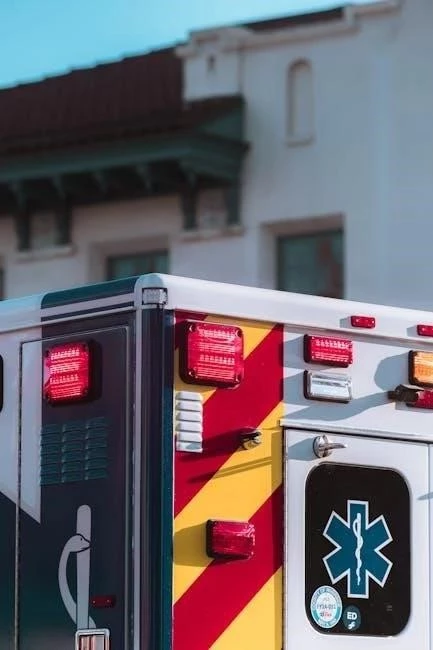
- Non-Invasive Intervention: MCTs arrive in unmarked vehicles to maintain the privacy and dignity of the senior, avoiding the stigma associated with emergency vehicles in tight-knit NYC communities․
- On-Site Stabilization: The teams are equipped to perform bedside assessments, medication reviews, and immediate environmental safety checks to prevent falls or self-harm․
- Direct Referral Pathways: Instead of a standard ER wait, MCTs can now facilitate “direct admissions” to geriatric psychiatric units or intensive outpatient programs if stabilization at home is not possible․
- Follow-up Mandates: The 2026 rules require a 24-hour and a 7-day follow-up visit for any senior who was visited by an MCT, ensuring they don’t fall through the cracks of the healthcare system․
Strengthening the Mental Health Social Connection
Clinical data has consistently shown that social isolation is as detrimental to a senior’s health as smoking 15 cigarettes a day․ The 2026 protocols recognize that many mental health crises are triggered by profound loneliness․ Therefore, the Mental Health Social Connection initiative has been formally integrated into the 988 response cycle․
- Social Prescribing: After a crisis is stabilized, counselors “prescribe” social interventions, such as enrollment in a local Naturally Occurring Retirement Community (NORC) program or a virtual senior center․
- Peer Support Integration: NYC has invested in a corps of “Senior Peer Advocates”—older adults who are trained to provide companionship and navigation assistance to those recovering from a crisis․
- Technology Training: For homebound seniors, the city provides simplified tablets and internet access to facilitate tele-health and virtual social groups, reducing the barriers to Mental Health Social Connection․
- Intergenerational Programs: New partnerships with CUNY and local high schools bring young volunteers to the homes of seniors to foster community ties and reduce the sense of being “forgotten․”
Navigating Dementia and Behavioral Challenges
A major focus of the mental health crisis response NYC seniors program is managing “Behavioral and Psychological Symptoms of Dementia” (BPSD)․ These symptoms, which include aggression, wandering, and hallucinations, are often the reason families call for help․ The 2026 protocols provide specific toolsets for these scenarios․
- De-escalation without Sedation: There is a renewed clinical emphasis on non-pharmacological interventions, using sensory tools and environmental adjustments to calm a confused senior․
- Caregiver Coaching: During a 988 call, counselors provide immediate coaching to the caregiver on how to use “validation therapy” rather than “reality orientation,” which can often escalate a crisis in a dementia patient․
- Safe-Return Integration: For seniors who wander, the 988 responders work closely with NYC’s MedicAlert and Safe Return programs to ensure rapid identification and return to a safe environment․
- Respite Coordination: Recognizing that caregiver burnout is a primary trigger for senior crises, the new protocols allow 988 counselors to authorize emergency short-term respite care to give the primary caregiver a necessary break․
Legal and Financial Protections for Seniors
Navigating the legalities of a mental health crisis can be overwhelming․ The 2026 protocols include updated guidelines on patient rights and financial coverage to ensure that a crisis does not lead to financial ruin or loss of autonomy․ You can find more official guidance on the NY State DOH website regarding patient rights․
- Involuntary Transport Standards: The 2026 updates provide clearer, more stringent criteria for when a senior can be transported against their will, emphasizing the “least restrictive environment” principle․
- Medicaid Reimbursement: New billing codes have been established for MCTs and 988 follow-up care, ensuring that these life-saving services are fully reimbursable through Medicaid and do not result in out-of-pocket costs for the family․
- Health Care Proxy Activation: Responders are trained to identify and honor existing Health Care Proxies and Living Wills during a crisis, ensuring the senior’s long-term wishes are respected even when they cannot speak for themselves․
- Housing Protection: For seniors in supportive housing or NYCHA, the 988 intervention includes a “housing stability” assessment to ensure that a mental health episode does not lead to eviction or loss of residency․
Implementation and Resource Access
Accessing these services in 2026 has been streamlined through the “One-Call” initiative․ By dialing 988, NYC residents are connected to a network of care that spans all five boroughs, with specific resources tailored to the unique demographics of each neighborhood, from the Bronx to Staten Island․
- Hyper-Local Resources: The 988 database now includes over 3,000 neighborhood-specific resources, including food pantries, religious organizations, and local clinics that specialize in geriatric care․
- Mobile Apps for Caregivers: A new NYC-sponsored app allows caregivers to track MCT arrival times and securely share medical history with the responding clinicians․
- Pharmacy Integration: In 2026, 988 counselors can coordinate with local pharmacies to ensure that any medication changes made during a crisis are immediately reflected in the senior’s prescription record and delivered to their door․
- Community Workshops: NYC holds monthly workshops in every community board to train residents on how to use the 988 system and understand the importance of Mental Health Social Connection․
Nurse Insight: In my experience, the hardest part for families is making that first call․ I often tell my patients’ children that calling 988 isn’t an admission of failure—it’s an act of profound love․ In the past, we were limited in what we could offer, but these 2026 protocols mean we can finally bring the hospital-level expertise into the comfort of your living room, where your loved one feels safest․ Don’t wait until the situation is unmanageable; early intervention through the 988 system can prevent the “revolving door” of ER visits and keep your family together․
Frequently Asked Questions
Is 988 the same as the old NYC Well line?
Yes, 988 has absorbed the services previously offered by NYC Well․ However, the 2026 protocols have significantly expanded the clinical capabilities of the line, especially regarding specialized mental health crisis response NYC seniors and the integration of social support networks․
Will calling 988 result in the police coming to my home?
The 2026 protocols are designed to minimize police involvement․ Unless there is an immediate threat of violence or a weapon is present, 988 will dispatch a Mobile Crisis Team consisting of healthcare professionals and peers rather than law enforcement․
What should I have ready when I call 988 for a senior?
It is helpful to have a list of their current medications, a brief history of their mental health or cognitive diagnoses, and any information regarding their Health Care Proxy․ This allows the counselor to provide more tailored advice and prepare the Mobile Crisis Team․
How does the Mental Health Social Connection help in a crisis?
While the MCT handles the immediate emergency, the Mental Health Social Connection focuses on the “aftercare․” By connecting a senior to social groups and community activities, we reduce the loneliness and isolation that often trigger anxiety, depression, and subsequent crises․
Can 988 help with transportation to a doctor’s appointment?
While 988 is a crisis line, they can connect you to resources that assist with non-emergency transportation․ For Medicaid recipients, they can help facilitate the coordination of transport through your MLTC plan as part of the stabilization process․
Contact ProLife Home Care NYC for a free clinical assessment:(718) 232 – 2777