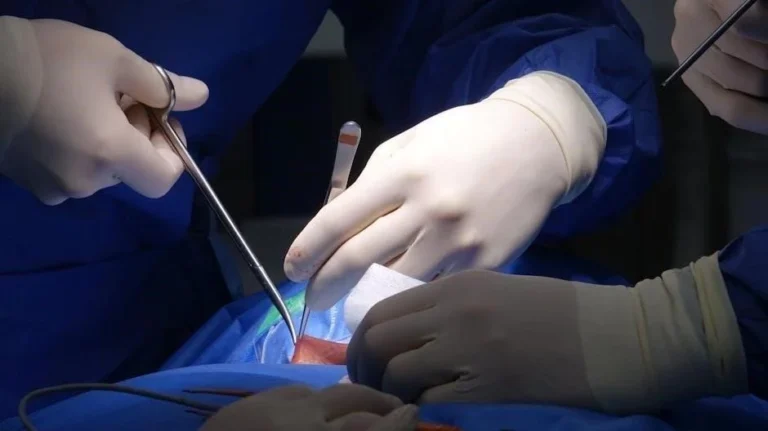

As a Senior Nurse who has spent years navigating the busy streets of New York City to provide care, I know that for a parent, the home is the only place where a child truly feels safe. We are entering a new era where the walls of the hospital are expanding, allowing children with complex medical needs to receive life-sustaining treatment in their own bedrooms. This evolution is being fueled by significant investments that aim to make high-quality pediatric care more accessible and sustainable for NYC families. Seeing the relief on a mother’s face when she realizes her child can thrive at home is why these industry shifts matter more than just on a balance sheet.
Clinical Quick Answer
The expansion of pediatric home care in NYC is primarily driven by a transition toward value-based healthcare models and the increasing prevalence of chronic pediatric conditions that require long-term management. Investors are drawn to the sector due to its resilience against economic downturns and the high demand for specialized nursing expertise in the metropolitan area. By 2026, the market is expected to see a surge in consolidation as providers integrate advanced remote monitoring technologies to improve clinical outcomes and reduce hospital readmissions.
The Surge in Specialized Pediatric Demand
The demand for pediatric home care in New York City has reached an inflection point, driven by several clinical and demographic factors. Advances in neonatal intensive care have led to higher survival rates for infants born with complex conditions, many of whom require ongoing ventilator support, tracheostomy care, or complex nutritional management. These children often spend months in the hospital, but both families and providers are now pushing for home-based transitions as soon as clinically stable.
- Increased prevalence of medically fragile children needing 24/7 nursing supervision.
- A shift in parental preference toward home-based environments to support developmental milestones.
- Technological miniaturization of life-support equipment, making home care safer than ever before.
- New York City’s dense population creating a concentrated need for localized home health hubs.
- The growing recognition that home-based care significantly reduces the risk of hospital-acquired infections in immunocompromised children.
Pediatric Home-Based Care Dealmaking 2026
Financial analysts and healthcare experts are closely watching the trajectory of the market, identifying pediatric home-based care dealmaking 2026 as a pivotal window for industry transformation. Institutional investors are increasingly interested in pediatric platforms because they offer stable, long-term recurring revenue compared to adult home care, which is often shorter in duration. This influx of capital is expected to fund the scaling of agencies that can handle the high-acuity needs of the NYC pediatric population.
- Consolidation of smaller, boutique agencies into larger, high-capacity provider networks.
- Investment in digital infrastructure to streamline the “referral-to-admission” process for NYC hospitals.
- Focus on “platform” acquisitions where investors buy a lead agency to tuck in smaller specialized providers.
- Rise of public-private partnerships to address the unique logistical challenges of providing care in New York’s diverse boroughs.
- Strategic focus on geographical expansion into underserved areas like the Bronx and parts of Queens.
Regulatory Environment and NY State DOH Oversight
The landscape of home care in NYC is inextricably linked to the policies of the NY State DOH. Regulatory changes are currently focused on ensuring that investment does not come at the cost of clinical quality. The state has been refining the Medicaid reimbursement structures to better reflect the intensive nature of pediatric private duty nursing (PDN). This regulatory stability is a major green flag for investors who require a predictable reimbursement environment.
- Implementation of stricter quality reporting requirements for pediatric agencies.
- Adjustments to Medicaid Managed Care (MMC) contracts to incentivize high-quality outcomes.
- Enhancements to the Clinical Medical Necessity reviews to ensure children receive the appropriate hours of care.
- Standardization of nurse training requirements for high-tech pediatric procedures.
- Programs aimed at addressing the nursing shortage through loan forgiveness and higher hourly rates for specialized pediatric shifts.
Technological Innovations Attracting Capital
In the past, pediatric home care was limited by the lack of real-time communication between the home and the specialist. Today, venture capital is pouring into “HealthTech” solutions specifically designed for the pediatric home environment. These tools allow a nurse in a Brooklyn apartment to transmit vital data directly to a pulmonologist at a major medical center, ensuring that interventions happen before a crisis occurs.
- Wearable sensors designed for infants and children that monitor oxygen saturation and heart rate.
- AI-driven platforms that predict clinical decompensation by analyzing trends in nursing notes and vitals.
- Secure video platforms that allow for “virtual rounding” by hospital-based pediatric teams.
- Smart infusion pumps and ventilators that can be monitored and sometimes adjusted remotely.
- Electronic Visit Verification (EVV) systems that ensure care is delivered as scheduled while providing data on family satisfaction.
Impact on the Nursing Workforce
Expansion and investment are also reshaping the professional lives of pediatric nurses in NYC. As agencies grow and modernize, they are offering more robust benefits, continuing education, and career advancement tracks. For a nurse, this means better support when managing a difficult case and more opportunities to specialize in areas like pediatric wound care or respiratory therapy.
- The rise of specialized residency programs for new graduates entering pediatric home care.
- Better access to high-fidelity simulation training funded by corporate investment.
- Improved nurse-to-patient matching through sophisticated scheduling algorithms.
- Focus on mental health support for nurses dealing with the emotional weight of pediatric end-of-life or chronic care.
- Competitive compensation packages designed to retain top-tier nursing talent in the NYC market.
Future Outlook: Value-Based Pediatric Care
The ultimate goal of the current investment trend is the realization of a truly value-based model for pediatric care. This means that agencies will be rewarded not just for the number of hours they provide, but for the actual health outcomes of the children they serve. Reducing emergency room visits and ensuring children can attend school (even with medical equipment) are becoming the primary metrics of success in the industry.
- Shift toward holistic care that includes nutritional support and social work alongside clinical nursing.
- Greater integration with school-based health services to ensure continuity of care during the day.
- Expansion of “Hospital-at-Home” programs for pediatric patients needing short-term acute interventions.
- Increased focus on family caregiver training to empower parents as active members of the clinical team.
- Long-term sustainability of the home care model as a cost-effective alternative to long-term pediatric nursing facilities. About Our Expert
Nurse Insight: In my experience, the biggest challenge isn’t the technology or the paperwork; it’s the human element. While investment and dealmaking are essential for the industry to grow, we must never lose sight of the fact that we are guests in a family’s most private space. I always tell my fellow nurses that our job is to be so clinical that the child stays safe, but so compassionate that the family feels supported. As these agencies grow, my hope is that they use their new resources to spend more time listening to what these parents actually need on a daily basis.
Frequently Asked Questions
How do I know if a home care agency is financially stable?
You can research the agency’s history of service in NYC and ask about their ownership structure. Agencies that have recently received investment often have modern equipment and more reliable staffing ratios, which are good indicators of stability.
Does Medicaid cover the new technologies being introduced?
Many remote monitoring tools and specialized pieces of equipment are now covered under NY Medicaid, provided they are deemed medically necessary by a physician and the agency is licensed to provide them.
What should I look for in a pediatric home care provider in 2026?
Look for providers that emphasize “integrated care,” meaning they have a clear system for communicating with your child’s specialists and utilize modern data tools to track clinical progress.
How will consolidation affect my choice of nurses?

Consolidation can actually provide a larger pool of nurses to choose from. Larger agencies often have better backup systems if your primary nurse is sick or takes a vacation.
Why is NYC specifically seeing so much growth in this sector?
NYC has a unique combination of world-class pediatric hospitals and a high density of medically complex patients, making it the perfect “innovation lab” for new home-based care models.
=About Our Expert
Anna Klyauzova, MSN, RN, is a veteran of the New York City healthcare system with over 15 years of experience in pediatric clinical care and Medicaid navigation. She has worked closely with families across the five boroughs to bridge the gap between hospital discharge and successful home-based management. Her expertise lies in the intersection of clinical excellence and the complex regulatory requirements of New York State’s healthcare policies.
Contact ProLife Home Care NYC for a free clinical assessment:(718) 232 – 2777