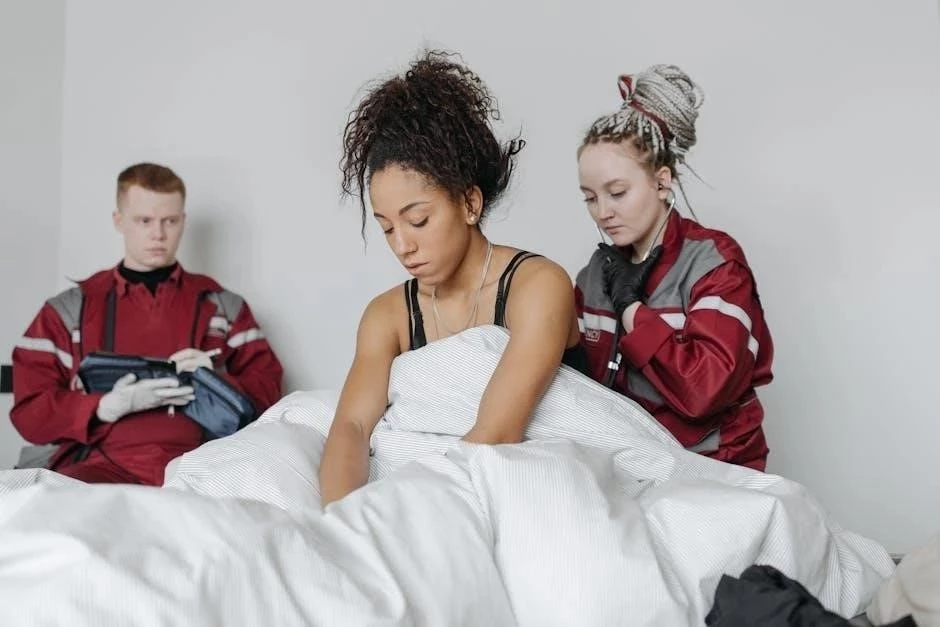
Navigating the complex healthcare landscape of New York City can feel like an uphill battle for families caring for loved ones with chronic conditions. As a senior nurse, I have seen firsthand how the right support system transforms a chaotic cycle of ER visits into a manageable, dignified life at home. NYC Health Home care coordination 2026 represents a promise to our community that no one has to manage their health journey in isolation. We are here to ensure that your family receives the comprehensive, compassionate care that every New Yorker deserves.
Clinical Quick Answer
NYC Health Home care coordination 2026 provides a centralized management system that bridges the gap between clinical medical treatments and essential social determinants of health. By prioritizing =Continuity of Clinical Care, the program ensures that every specialist, social worker, and primary care provider is aligned on a single patient-centered plan. This integrated approach is designed to improve health outcomes, reduce avoidable hospitalizations, and provide stable support for New York’s most vulnerable populations.
The Evolution of NYC Health Home Care Coordination 2026
The landscape of New York City’s healthcare system is undergoing a massive shift as we approach 2026. The NYC Health Home care coordination 2026 initiative is the result of years of refining how Medicaid services are delivered to those with complex needs. Unlike traditional models where patients are responsible for their own scheduling and follow-ups, the 2026 model utilizes advanced predictive analytics to identify patients at risk before a crisis occurs. This proactive stance allows care managers to intervene early, ensuring that the patient’s medical and social environment is stable.
- Enhanced focus on local community-based organizations (CBOs) to provide culturally competent care.
- Integration of real-time data sharing between hospitals and community care managers.
- Expanded eligibility outreach for individuals with co-occurring mental health and physical disorders.
- Investment in mobile health units that bring coordination services directly to the patient’s neighborhood.
- Strict performance metrics focused on patient quality of life rather than just clinical numbers.
Achieving =Continuity of Clinical Care in a Fragmented System
One of the greatest challenges in urban medicine is the fragmentation of care. A patient might see a cardiologist in Manhattan, a therapist in Brooklyn, and a primary care doctor in Queens. Without =Continuity of Clinical Care, vital information is often lost in translation. The Health Home model acts as the “glue” that holds these pieces together. By maintaining a single, universal electronic health record accessible to the entire care team, the Health Home ensures that every provider is aware of the patient’s current medications, recent lab results, and social obstacles.
- Universal care plans that are updated in real-time following any clinical encounter.
- Dedicated transition managers who oversee the move from inpatient hospital stays to home care.
- Medication reconciliation services to prevent dangerous drug interactions across different specialists.
- Scheduled multi-disciplinary team meetings to discuss complex cases and adjust treatment protocols.
- Focus on the “Whole Person” approach, where clinical goals are weighed against the patient’s personal life goals.
Addressing Social Determinants: Beyond the Doctor’s Office
Medical treatment alone cannot heal a patient who does not have a safe place to sleep or nutritious food to eat. NYC Health Homes recognize that clinical success is tied directly to social stability. The 2026 coordination framework places social needs on the same level of importance as medical prescriptions. Care managers work tirelessly to navigate the bureaucratic hurdles of NYC housing, SNAP benefits, and transportation services, ensuring that the patient’s environment supports their recovery rather than hindering it.
- Housing assistance programs including help with NYCHA applications and supportive housing placements.
- Emergency food assistance through partnerships with local pantries and home-delivered meal services.
- Reliable medical transportation coordination to ensure no appointment is missed due to travel barriers.
- Legal advocacy for patients facing eviction or issues with their Medicaid eligibility.
- Vocational training and social engagement programs to combat the isolation often felt by those with chronic illnesses.
The Critical Role of the Health Home Care Manager
At the heart of the NYC Health Home system is the care manager. This individual is not just an administrator; they are an advocate, a navigator, and a lifeline for the family. In the context of NYC Health Home care coordination 2026, the care manager is equipped with better tools than ever before to manage high-acuity cases. They serve as the primary point of contact for the family, reducing the stress of managing multiple providers and ensuring that the patient’s voice is always heard in clinical settings.
- Conducting regular home visits to assess the safety and needs of the patient’s living environment.
- Attending specialist appointments with the patient to help explain complex medical jargon.
- Assisting families in completing the complex paperwork required for Medicaid recertification.
- Providing 24/7 crisis intervention resources to prevent unnecessary emergency room visits.
- Acting as a bridge between the patient and the NY State DOH regarding benefit inquiries.
Technological Integration and Data Security in 2026
As we move toward 2026, technology plays a pivotal role in maintaining =Continuity of Clinical Care. New York City has invested heavily in secure, interoperable health information exchanges (HIEs). This allows for a seamless flow of data while maintaining the highest standards of HIPAA compliance. For the patient, this means fewer repetitive questions at the doctor’s office and a more accurate understanding of their health trajectory. For the care team, it means having the right information at the right time to make life-saving decisions.
- Biometric monitoring tools that send data directly to care managers for early detection of health decline.
- Telehealth platforms specifically designed for low-income populations with limited data access.
- Secure messaging apps that allow families to communicate directly with their care coordination team.
- AI-driven alerts that notify care managers if a patient is admitted to an ER anywhere in the state.
- Patient portals that empower individuals to view their own care plans and progress.
Measuring Success: Outcomes and the Future of NYC Health
The ultimate goal of aligning medical and social needs is to produce better health outcomes for all New Yorkers. Success is measured by the number of days a patient stays healthy at home rather than in a hospital bed. By focusing on NYC Health Home care coordination 2026, the city aims to close the health equity gap that has long affected minority and low-income communities. The data already shows that when social needs are met and =Continuity of Clinical Care is maintained, chronic conditions become more stable, and the overall cost of care decreases significantly.
- Reduction in 30-day hospital readmission rates for high-risk Medicaid members;
- Increased rates of preventative screenings, such as mammograms and colonoscopies.
- Improved management of A1c levels in diabetic patients through consistent follow-up.
- Higher levels of patient satisfaction and self-reported quality of life scores.
- A more resilient NYC healthcare infrastructure capable of handling future public health challenges.
Nurse Insight: In my experience, the most successful patients aren’t just the ones with the best doctors, but the ones with the strongest support systems. I have seen families overwhelmed by the “system” finally breathe a sigh of relief when a Health Home care manager takes the reins. My best advice is to be open and honest with your coordinator about everything—even things that don’t seem “medical,” like a broken refrigerator or a noisy neighbor. In the world of 2026 care coordination, those details are exactly what we need to help you thrive.
Frequently Asked Questions
How do I enroll in NYC Health Home care coordination 2026?
Enrollment can be initiated by your primary care physician, a hospital social worker, or by contacting a designated Health Home provider directly. You must have active Medicaid and meet the clinical criteria for chronic conditions.

What does =Continuity of Clinical Care actually look like for a patient?
It looks like your cardiologist knowing exactly what your therapist discussed last week. It means your care plan doesn’t restart every time you see a new doctor; it evolves based on a shared history and collective goals.
Can I choose my own care manager within the Health Home?
Most Health Homes will work with you to find a care manager who fits your cultural and linguistic needs. If you feel the match is not working, you have the right to request a change within the network.
Does this program replace my current doctors?
No, the Health Home does not replace your doctors. Instead, it supports them by ensuring you have the resources to follow their treatment plans and that all your doctors are communicating with one another.
What happens if I lose my Medicaid eligibility?
If you lose Medicaid, you may lose access to Health Home services. However, your care manager’s priority is often helping you maintain or renew your eligibility so that your care remains uninterrupted.
Contact ProLife Home Care NYC for a free clinical assessment:(718) 232 – 2777