
{
“@context”: “https://schema.org”,
“@type”: “FAQPage”,
“mainEntity”: [
{
“@type”: “Question”,
“name”: “How often should oral care be performed for a bedridden senior?”,
“answer”: “Clinical standards suggest that oral care should be performed at least twice daily, though many experts recommend a brief cleaning after every meal to ensure no food particles remain in the oral cavity to harbor bacteria.”
},
{
“@type”: “Question”,
“name”: “Can poor oral hygiene really cause pneumonia?”,
“answer”: “Yes, aspiration pneumonia occurs when bacteria-laden saliva or food particles are inhaled into the lungs. In bedridden seniors, a high bacterial load in the mouth significantly increases the risk of developing these life-threatening lung infections.”
},
{
“@type”: “Question”,
“name”: “What should I do if my loved one resists oral cleaning?”,
“answer”: “Resistance is common in patients with dementia. It is best to use a calm voice, explain each step, use a soft-bristled brush, and try to perform the care at a time of day when they are most relaxed and cooperative.”
},
{
“@type”: “Question”,
“name”: “Is Foot Care for Seniors related to their respiratory health?”,
“answer”: “While not directly linked to the lungs, foot care is a vital component of geriatric hygiene. Proper foot care prevents infections and pressure ulcers which, if left untreated, can weaken the immune system and make the senior more susceptible to systemic issues like pneumonia.”
},
{ “@type”: “Question”,
“name”: “What are the early signs of oral infection in seniors?”,
“answer”: “Watch for redness of the gums, white patches on the tongue (thrush), persistent bad breath, bleeding during brushing, or a sudden refusal to eat, which may indicate mouth pain.”
}
]
}
Caring for a loved one at home in New York City is a profound act of love, but it often comes with clinical challenges that can feel overwhelming for family members. As a senior nurse, I have seen how quickly a small oversight in daily hygiene can lead to serious complications like respiratory infections. Our goal is to empower you with the professional knowledge needed to maintain your parent or spouse’s health and dignity in their own bedroom. By prioritizing specialized hygiene routines, you are not just cleaning; you are actively preventing life-threatening conditions like pneumonia.
Clinical Quick Answer
Professional oral hygiene for seniors involves the systematic removal of pathogenic bacteria to prevent aspiration pneumonia, a leading cause of hospitalization among the bedbound. Consistent oral care for bedridden seniors NYC reduces the bacterial load in the mouth, preventing the inhalation of contaminated secretions into the lungs. This clinical approach combines specialized tools, proper positioning, and frequent monitoring to ensure systemic health and respiratory safety.
The Critical Link Between Oral Health and Aspiration Pneumonia
For the elderly, especially those who are bedridden, the mouth serves as a primary reservoir for respiratory pathogens. Aspiration pneumonia occurs when oropharyngeal secretions, which may contain high concentrations of bacteria such as Streptococcus pneumoniae or Staphylococcus aureus, are accidentally inhaled into the lower respiratory tract. This is particularly dangerous for seniors with dysphagia (difficulty swallowing) or compromised cough reflexes.
- Bacterial Colonization: Plaque buildup provides a medium for dangerous bacteria to multiply rapidly.
- Micro-aspiration: Even small amounts of saliva entering the lungs can trigger an inflammatory response in a weakened immune system.
- Inflammation Response: Chronic oral infections like gingivitis increase systemic inflammation, further taxing the senior’s ability to fight off lung infections.
- Salivary Flow Issues: Many medications cause dry mouth (xerostomia), which removes the natural protective enzymes in saliva, allowing bacteria to flourish.
- Denture Hygiene: Dirty dentures can harbor yeast and bacteria that are easily aspirated during sleep.
Protocols for Oral Care for Bedridden Seniors NYC
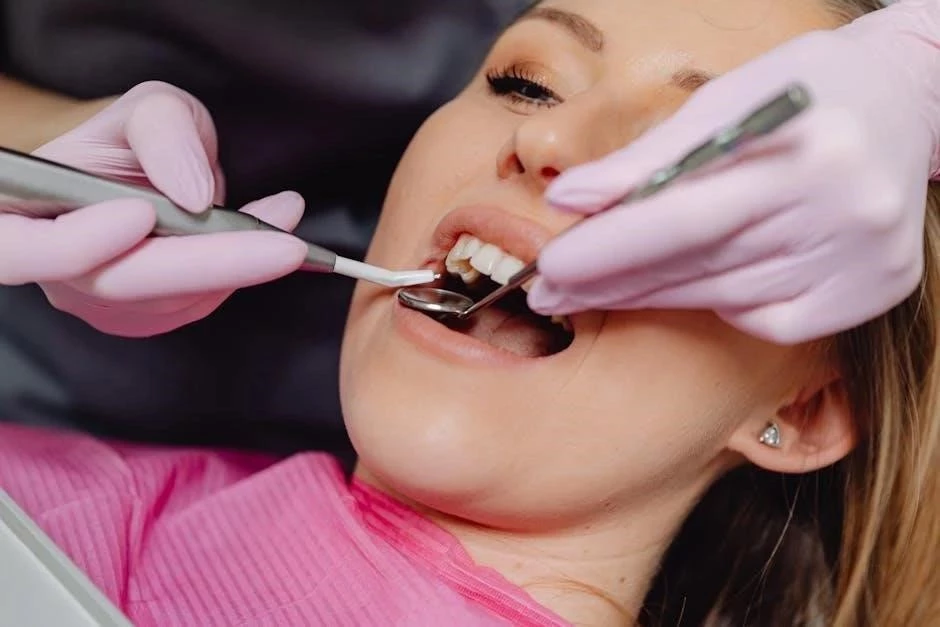
Implementing a professional routine for Oral care for bedridden seniors NYC requires specific techniques to ensure safety and effectiveness in a home setting. In the dense urban environment of New York, where home care services are often integrated with family caregiving, following a clinical checklist is essential for consistency.
- Proper Positioning: Always elevate the head of the bed to at least 30 to 45 degrees to prevent choking and aspiration during the cleaning process.
- Lighting and Visibility: Use a small penlight or a bright bedside lamp to clearly inspect the oral cavity for sores, lesions, or food debris.
- Suctioning: For seniors with high aspiration risk, use a portable suction machine to remove excess fluids and toothpaste during the procedure.
- Frequency of Care: Perform a thorough cleaning twice daily and use oral swabs to moisten the mouth every 2 to 4 hours to maintain tissue integrity.
- Documentation: Keep a log of any changes in gum color, moisture levels, or the presence of any white patches that could indicate thrush.
Essential Equipment and Tools for Home-Based Oral Hygiene
Professional-grade results require the right tools. Standard toothbrushes may be too abrasive for the delicate tissues of a senior’s mouth, and standard toothpastes can sometimes be a choking hazard if they foam excessively.
- Soft-Bristled Toothbrushes: Use ultra-soft brushes to gently remove plaque without causing gingival bleeding.
- Non-Foaming Toothpaste: Look for low-sudsing options that reduce the risk of the senior inhaling foam into their windpipe.
- Chlorhexidine Gluconate Rinses: When prescribed by a dentist, these antimicrobial rinses can significantly lower the bacterial count in the mouth.
- Disposable Oral Swabs: These are excellent for cleaning the cheeks, tongue, and roof of the mouth when a brush is too invasive.
- Mouth Moisturizers: Use water-based gels or sprays to combat xerostomia and prevent the cracking of oral tissues.
Comprehensive Foot Care for Seniors: A Holistic Approach
While the focus is often on the “top-down” approach of preventing pneumonia, Foot Care for Seniors is an equally vital component of bedbound maintenance. Proper foot hygiene prevents systemic infections that can lower the overall immune threshold, making the senior more vulnerable to respiratory issues.
- Pressure Ulcer Prevention: Check heels daily for redness; the heels are one of the most common sites for bedsores in immobile patients.
- Nail Maintenance: Keep toenails trimmed straight across to prevent ingrown nails and subsequent fungal infections.
- Moisturization: Apply specialized foot creams to prevent skin cracking, but avoid the areas between the toes to prevent fungal growth.
- Circulation Monitoring: Watch for changes in skin temperature or color in the feet, which could indicate peripheral vascular issues.
- Professional Podiatry: In NYC, many podiatrists offer home visits for Medicaid or Medicare patients to handle complex foot care needs.
Recognizing Early Warning Signs and Complications
Caregivers must be trained to identify signs that a senior’s oral or respiratory health is declining. Early intervention is the key to avoiding a trip to the emergency room at a New York City hospital.
- Halitosis: Persistent foul breath often indicates a deep-seated infection or decay that requires professional dental intervention.
- Bleeding Gums: This is a sign of gingivitis or periodontitis, which are direct risk factors for systemic inflammation.
- Coughing During Care: If the senior coughs or gags during oral cleaning, it may indicate that their swallowing reflex is worsening, necessitating a speech therapy consult.
- White Coating: A thick white film on the tongue or inner cheeks usually signifies a fungal infection (thrush) that needs antifungal medication.
- Changes in Sputum: If the senior begins coughing up thick, colored mucus, this may indicate that aspiration has already occurred and pneumonia is developing.
Navigating NYC Resources and Home Care Support
Families in New York have access to various resources to help manage the care of bedridden seniors. Understanding the landscape of New York State health regulations and insurance coverage is part of a professional care plan. Information on home care standards can be found through the NY State DOH.
- Medicaid Specialists: Consult with specialists to understand how CDPAP (Consumer Directed Personal Assistance Program) can help pay for family members to provide this intensive care.
- Mobile Dentistry: Seek out NYC-based mobile dental clinics that specialize in treating homebound patients.
- Nurse Consultants: Utilizing a registered nurse for periodic assessments can ensure that your oral and foot care protocols are meeting clinical standards.
- Telehealth: Many NYC hospital systems now offer telehealth visits to review hygiene protocols and inspect oral health via video.
- Support Groups: Join local caregiver support groups to share tips on the best products and local providers available in the five boroughs.
Nurse Insight: In my experience, one of the most overlooked aspects of oral care for bedridden seniors NYC is the “hidden” food that gets trapped in the cheek pockets. After every meal, take a clean swab and gently sweep the space between the teeth and the cheek. You would be surprised how much debris stays there, which can lead to rapid bacterial growth and increased pneumonia risk overnight. Always be gentle, as the skin inside the mouth becomes as thin as tissue paper as we age.
Frequently Asked Questions
How often should oral care be performed for a bedridden senior?
Clinical standards suggest that oral care should be performed at least twice daily. However, for those at high risk of pneumonia or with severe dry mouth, a quick cleaning or moisturizing of the mouth should be done every 4 hours. This ensures that bacterial counts remain low and the oral tissues remain hydrated and intact.
Can poor oral hygiene really cause pneumonia?
Absolutely. Aspiration pneumonia is caused by inhaling bacteria from the mouth into the lungs. If the mouth is not cleaned regularly, it becomes a breeding ground for pathogenic bacteria. When a senior accidentally swallows “the wrong way” or inhales their own saliva, those bacteria enter the lungs and can cause a severe, life-threatening infection.
What should I do if my loved one resists oral cleaning?
Resistance is common, especially in patients with cognitive decline. Use a “tell-show-do” approach: explain what you are doing, show them the brush, and then proceed slowly. Using a flavored mouth swab they enjoy or playing calming music can also help. If resistance continues, consult with a nurse about using specialized mouth props or different cleaning techniques to ensure safety without causing distress.
Is Foot Care for Seniors related to their respiratory health?
While the feet and lungs are anatomically distant, their health is linked through the immune system. Infections from untreated foot issues, like infected ingrown nails or pressure sores, can cause systemic stress. This weakens the senior’s overall ability to fight off other infections, including the bacteria that cause pneumonia. A holistic care plan addresses the body from head to toe.
What are the early signs of oral infection in seniors?
Early signs include bright red or swollen gums, bleeding during care, a sudden change in breath odor, or white, “cottage-cheese” like patches on the tongue or cheeks. Additionally, if a senior who usually eats well suddenly refuses food or winces when their mouth is touched, they may be experiencing oral pain from an underlying infection or cavity.
Contact ProLife Home Care NYC for a free clinical assessment:(718) 232 – 2777