
{
“@context”: “https://schema.org”,
“@type”: “FAQPage”,
“mainEntity”: [
{
“@type”: “Question”,
“name”: “How often should I change the dressing on a diabetic foot ulcer at home?”,
“acceptedAnswer”: {
“@type”: “Answer”,
“text”: “The frequency of dressing changes depends on the amount of drainage and the type of dressing used. Generally, if the wound is highly exudative, it may require daily changes, whereas advanced dressings like foams or hydrogels might last 3 to 5 days. Always follow the specific clinical orders provided by your wound care nurse or podiatrist.”
}
},
{
“@type”: “Question”,
“name”: “What are the first signs of infection in a foot ulcer?”,
“acceptedAnswer”: {
“@type”: “Answer”,
“text”: “Early warning signs include increased redness (erythema) around the wound edges, localized warmth, new or worsening pain, a foul odor, and thick or discolored drainage. Systemic signs like fever or chills are medical emergencies for diabetic patients and require immediate intervention.”
}
},
{
“@type”: “Question”,
“name”: “Is it safe to wash a diabetic foot ulcer with soap and water?”,
“acceptedAnswer”: {
“@type”: “Answer”,
“text”: “In a home setting, cleansing is typically done with sterile saline or a prescribed antimicrobial skin cleanser. While mild, fragrance-free soap can be used on the surrounding skin, you should avoid getting harsh soaps directly into the deep tissue of the ulcer unless specifically directed by a clinician.”
}
},
{
“@type”: “Question”,
“name”: “Can I use over-the-counter antibiotic ointments on a diabetic ulcer?”,
“acceptedAnswer”: {
“@type”: “Answer”,
“text”: “You should never apply OTC ointments like Neosporin to a diabetic foot ulcer without consulting a doctor. These ointments can sometimes trap bacteria or cause maceration (softening) of the surrounding skin, which can expand the wound and delay the healing process.”
}
},
{ “@type”: “Question”,
“name”: “Does Medicaid in NYC cover home wound care supplies?”,
“acceptedAnswer”: {
“@type”: “Answer”,
“text”: “Yes, New York Medicaid typically covers medically necessary wound care supplies, including specialized dressings and offloading boots, when prescribed by a healthcare provider; Many seniors also qualify for a Visiting Nurse Service (VNS) to assist with professional wound management at home.”
}
}
]
}
Caring for an aging parent or spouse with diabetes in the fast-paced environment of New York City can feel like an overwhelming responsibility, especially when a small scratch turns into a persistent wound. As a senior nurse, I have seen how much love and dedication NYC families put into keeping their elders safe and mobile within their own homes. Managing diabetic foot ulcers at home is not just a medical task; it is a daily commitment to preserving the independence and quality of life for the people who raised us. We are here to guide you through the clinical steps of wound care with the empathy and professional precision your family deserves.
Clinical Quick Answer
Effective Wound Care Management for diabetic foot ulcers involves a three-pillar approach: consistent offloading to remove pressure, moisture-balanced dressing applications, and strict blood glucose control to facilitate tissue regeneration. Caregivers must perform daily inspections for signs of infection such as malodor, increased exudate, or periwound redness to prevent hospitalizations; Utilizing a multidisciplinary team, including podiatrists and visiting nurses, ensures that debridement and clinical assessments are handled professionally within the home setting.
Understanding the Complexity of Diabetic Foot Ulcers
To provide high-level Wound Care Management, one must first understand why diabetic ulcers are so resistant to standard healing. Diabetes often leads to peripheral neuropathy, a condition where nerve damage causes a loss of sensation in the feet. This means a senior might walk on a blister or a small pebble for days without feeling pain, leading to deep tissue trauma. Furthermore, peripheral artery disease (PAD) is common in diabetic patients, restricting the oxygen-rich blood flow necessary for skin repair.
- Neuropathic Ulcers: These typically occur on pressure points like the ball of the foot or the heel and are often surrounded by callused skin.
- Ischemic Ulcers: Resulting from poor circulation, these are often located on the tips of toes and may appear pale or even necrotic (black).
- The Biofilm Barrier: Many chronic wounds develop a microscopic layer of bacteria called biofilm that resists standard cleaning and requires clinical intervention to disrupt.
- Hyperglycemia Impact: High blood sugar levels stiffen the arteries and weaken the immune system’s ability to send white blood cells to the wound site.
- Silent Progression: Because of the lack of pain, these wounds can progress from a Stage 1 (redness) to a Stage 4 (bone exposure) with alarming speed.
Daily Protocols for Managing Diabetic Foot Ulcers at Home
Managing diabetic foot ulcers at home requires a disciplined routine that mimics a clinical setting while maintaining the comfort of the senior’s residence. The goal is to create a “healing environment” by keeping the wound clean, protected, and free from external pressure. In NYC apartments where space might be limited, setting up a dedicated “clean zone” for dressing changes is a vital first step in preventing cross-contamination.
- Hand Hygiene: Always wash hands with soap and water for at least 20 seconds and wear disposable medical gloves before touching any bandages or the wound itself.
- Cleansing Techniques: Use sterile saline or a prescribed wound wash. Avoid scrubbing the wound bed; instead, gently irrigate or pat the area with sterile gauze.
- Skin Protection: Apply a moisture barrier cream or skin prep to the “periwound” (the healthy skin surrounding the ulcer) to prevent it from getting soggy and breaking down further.
- The Goldilocks Principle: The wound should not be too dry (which prevents cell migration) nor too wet (which causes maceration). Choose dressings that maintain a moist but not soaked environment.
- Offloading: This is the most critical step. If the senior walks on the wound, it will not heal. Use specialized orthopedic shoes, foam donuts, or total contact casts as directed.
Professional Wound Care Management Dressings and Tools
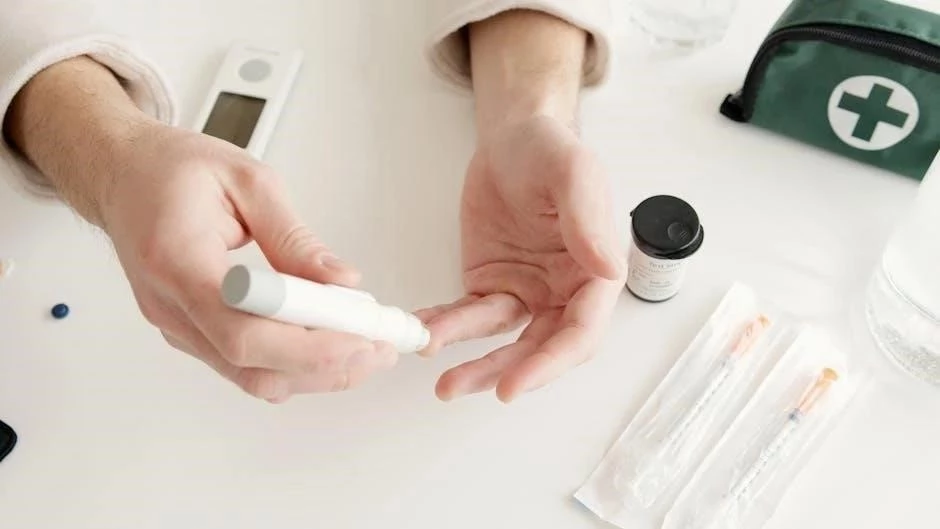
In the realm of professional Wound Care Management, the “one size fits all” approach of a standard adhesive bandage is insufficient. Depending on the wound’s appearance—whether it is sloughy (yellow), necrotic (black), or granulating (red)—different specialized materials are required. New York State clinicians often prescribe advanced dressings that can be managed by family caregivers between nursing visits.
- Alginates: Derived from seaweed, these are highly absorbent and ideal for wounds with heavy drainage, turning into a gel as they soak up fluid.
- Hydrocolloids: These provide a waterproof barrier and are used for wounds with light to moderate drainage to promote autolytic debridement (the body’s own way of cleaning the wound).
- Collagen Dressings: These act as a scaffold for new tissue growth, effectively “restarting” the healing process in chronic, stalled ulcers.
- Antimicrobial Silver: Silver-impregnated dressings are used to kill bacteria locally within the wound bed without the systemic side effects of oral antibiotics.
- Negative Pressure Wound Therapy (Wound Vac): For severe cases, a portable vacuum device may be used at home to pull out excess fluid and stimulate blood flow to the area.
Monitoring for Red Flags and Infection
Infection is the primary cause of hospitalizations and amputations among diabetic seniors in NYC. Because diabetes can mask the typical signs of inflammation, caregivers must be hyper-vigilant. A wound that appears to be “staying the same” for more than two weeks is often a sign that something is wrong underneath the surface. Clinical vigilance is the cornerstone of successful home management.
- Color Changes: Watch for a deepening red or purple hue around the edges of the wound, or red streaks traveling up the foot or leg (lymphangitis).
- Temperature Fluctuations: Use the back of your hand to check if the area around the ulcer feels significantly warmer than the rest of the foot.
- Odor Issues: A new or worsening foul odor when the dressing is removed is a classic sign of anaerobic bacterial growth.
- Exudate Changes: If the drainage changes from clear/yellow to thick, green, or cloudy, this indicates a high bacterial load or pus.
- Blood Glucose Spikes: An unexplained rise in blood sugar levels can often be the first sign that the body is fighting an underlying infection;
Nutrition and Lifestyle Support for Tissue Repair
Healing a wound requires a significant amount of energy and specific nutrients. We often tell families that you cannot build a house without bricks; similarly, you cannot build new skin without the right internal fuel. In the context of NYC living, where processed foods are convenient, focusing on a clinical diet is a major component of Wound Care Management.
- Protein Intake: Increase consumption of lean proteins like chicken, fish, or beans, as protein is the primary building block for skin and collagen.
- Vitamin C and Zinc: These are essential for cross-linking collagen fibers. Consider supplements if the senior’s diet is lacking in citrus, berries, or fortified cereals.
- Hydration: Dehydrated skin is brittle and heals slowly. Ensure the senior is drinking enough water, provided there are no congestive heart failure restrictions.
- Glycemic Control: Keeping A1c levels within the target range recommended by their endocrinologist is the single most important factor in long-term success.
- Smoking Cessation: Nicotine constricts blood vessels, further starving the foot of the oxygen it desperately needs to heal.
Accessing NYC Resources and Home Care Support
No family should have to manage a diabetic foot ulcer alone. New York City offers robust resources for seniors, ranging from specialized wound centers to Medicaid-funded home health aides. Coordination of care is essential to ensure that the podiatrist, the primary care physician, and the home nurse are all on the same page regarding the treatment plan.
- Visiting Nurse Services: NYC has several agencies that send RNs to the home to perform professional debridement and dressing changes under a doctor’s order.
- Paratransit Services: Use Access-A-Ride for transport to podiatry appointments if the senior cannot navigate the subway or traditional taxis with a foot injury.
- State Oversight: Consult the NY State DOH for information on patient rights and finding licensed home care agencies in the five boroughs.
- Wound Care Centers: Facilities like the Bronx-Lebanon or NYU Langone Wound Healing Centers provide advanced hyperbaric oxygen therapy for non-healing ulcers.
- Caregiver Support Groups: NYC’s Department for the Aging offers resources to help family members manage the stress associated with long-term clinical caregiving.
Nurse Insight: In my experience, the biggest hurdle for NYC families isn’t the dressing change itself—it’s the ‘city hustle.’ We see so many seniors trying to walk to the corner bodega or navigate walk-up apartments, which completely undoes the healing of an ulcer. My best advice: invest in a high-quality knee scooter or a comfortable offloading boot, and don’t feel guilty about asking for help with errands. If you can keep the weight off that foot for just three weeks of consistent care, you’ll see more progress than in three months of ‘being careful’ while walking.
Frequently Asked Questions
What is the best way to clean a diabetic foot ulcer at home?
The best clinical practice is to use sterile saline solution and soft, non-shredding gauze. Avoid using hydrogen peroxide or iodine unless specifically directed, as these can actually damage the new, healthy cells trying to grow in the wound bed.
How can I tell if a foot ulcer is healing?
Signs of healing include the wound getting smaller in size, the presence of pink/red ‘granulation’ tissue (which looks like small bumps), and a decrease in the amount of fluid draining from the site.
Does Medicare or Medicaid cover the cost of dressings?
Yes, in most cases, if a doctor provides a prescription for specific wound care supplies, they are covered under Medicare Part B or NY Medicaid. It is important to get these through an approved medical supply vendor.
Why does my father’s foot ulcer smell bad?
A foul odor usually indicates a high bacterial load or an active infection. While some dressings can cause a slight odor when they interact with wound fluid, any strong or ‘rotten’ smell should be reported to a doctor immediately.
Can a diabetic foot ulcer heal if the patient keeps walking on it?
It is extremely difficult. Pressure is the enemy of healing. Without ‘offloading’ (taking the weight off), the new tissue is crushed as soon as it forms. This is why specialized footwear or bed rest is often a non-negotiable part of the treatment plan.
Contact ProLife Home Care NYC for a free clinical assessment:(718) 232 – 2777