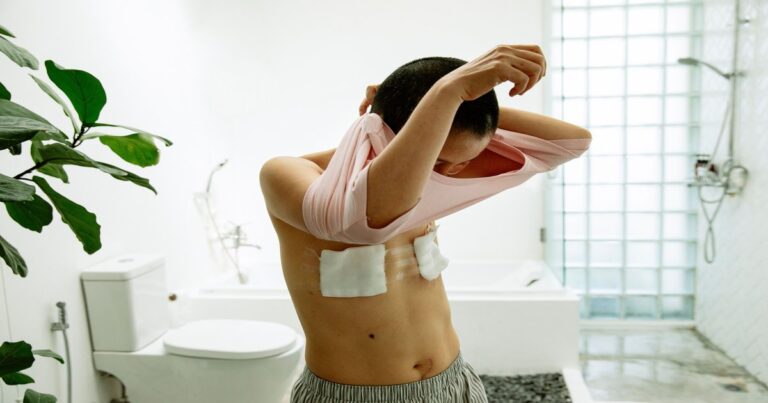
Seeing your elderly loved one suffer a fall in their New York City home can be a frightening and overwhelming experience for the entire family. As a nurse, I know that fractured ribs are particularly challenging because they affect the most basic human function: breathing. Caring for senior with fractured ribs NYC requires a blend of clinical vigilance and deep compassion to navigate the weeks of recovery ahead. My goal is to empower you with the knowledge needed to manage their pain effectively while preventing the complications that often follow these injuries in older adults.
Clinical Quick Answer
Recovery for a senior with fractured ribs focuses primarily on aggressive pain management to allow for deep breathing exercises, which are essential to prevent secondary pneumonia. A thorough Nursing Evaluation must be conducted regularly to monitor for lung sounds, oxygen saturation, and signs of respiratory distress. Successful home recovery in NYC involves coordinating medication schedules, ensuring a fall-proof environment, and maintaining close communication with primary care providers.
Initial Nursing Evaluation and Ongoing Assessment
When a senior returns home after a rib injury, the first step is a comprehensive Nursing Evaluation to establish a baseline for their recovery. This assessment is not a one-time event but an ongoing process that happens daily during the first few weeks.
- Respiratory Rate and Depth: We monitor how many breaths the senior takes per minute. Rapid, shallow breathing is a red flag that pain is not being managed well enough to allow for lung expansion.
- Auscultation of Lung Sounds: Using a stethoscope to listen for crackles or diminished sounds in the lower lobes, which could indicate fluid buildup or the beginning of pneumonia.
- Oxygen Saturation Monitoring: Utilizing a pulse oximeter to ensure blood oxygen levels remain within the target range prescribed by their doctor (usually above 92-94%).
- Pain Intensity Scale: Using a 0-10 scale to track pain levels, specifically during movement and deep breathing, to adjust the care plan as needed.
- Chest Wall Integrity: Checking for bruising, swelling, or “paradoxical movement” where part of the chest sinks in while the rest expands, which requires immediate medical attention.
- Cognitive Status: Monitoring for sudden confusion (delirium), which in seniors can be a primary sign of low oxygen or an underlying infection.
Effective Pain Management Strategies for Seniors
In the context of fractured ribs, pain management is not just about comfort; it is a clinical necessity. If a senior is in too much pain to breathe deeply or cough, their risk of lung infection skyrockets.
- Scheduled vs. As-Needed Medication: For the first 72 hours, medications are often given on a schedule rather than waiting for the senior to ask for them, keeping the pain under a “ceiling.”
- Multi-Modal Approach: Combining acetaminophen with prescribed anti-inflammatories or low-dose nerve medications to minimize the need for heavy opioids, which can cause constipation and confusion in the elderly.
- Topical Treatments: Using Lidocaine patches or soothing creams directly over the site of the fracture (if the skin is intact) to provide localized relief without systemic side effects.
- Ice Therapy: Applying ice packs wrapped in a thin towel for 15-20 minutes every few hours during the first week to reduce inflammation and numb the area.
- Proper Positioning: Encouraging the senior to sit upright in a supportive chair or use a wedge pillow in bed to reduce the pull of gravity on the ribcage.
- NYC Pharmacy Coordination: Ensuring that prescriptions are filled at local NYC pharmacies that offer home delivery to prevent gaps in medication administration.
Pulmonary Hygiene and Breathing Exercises
Caring for senior with fractured ribs NYC means becoming a “coach” for their lung health. We use techniques collectively known as pulmonary hygiene to keep the lungs clear.
- Incentive Spirometry: Teaching the senior to use the plastic breathing device provided by the hospital at least 10 times every hour while awake to keep the air sacs (alveoli) open.
- Splinted Coughing: Showing the patient how to hold a firm pillow tightly against their injured side when they need to cough or sneeze; this “splinting” reduces the sharp pain of the movement.
- Deep Breathing Cycles: Practicing diaphragmatic breathing, where the abdomen rises more than the chest, to maximize oxygen exchange in the lower parts of the lungs.
- Hydration for Secretions: Ensuring the senior drinks plenty of water (if not on a fluid restriction) to keep mucus thin and easier to cough up.
- Early Ambulation: Getting the senior up to walk short distances within the apartment as soon as tolerated, as movement is the best way to stimulate deep breathing.
- Avoiding Tobacco and Irritants: Ensuring the NYC home environment is free from smoke or heavy dust which can trigger coughing fits that are agonizing with rib fractures.
Home Safety and Fall Prevention in NYC Environments
A second fall during recovery could be catastrophic. NYC apartments present unique challenges, such as tight spaces and older flooring, that must be addressed.
- Clear Pathways: Removing all clutter, loose wires, and “trip hazards” from the main walking paths between the bed, bathroom, and kitchen.
- Lighting Upgrades: Installing motion-sensor nightlights or high-wattage LED bulbs to ensure the senior can see clearly during nighttime trips to the bathroom.
- Bathroom Modifications: Adding a raised toilet seat and a stable shower chair to minimize the amount of bending and twisting required for hygiene.
- Footwear Audit: Ensuring the senior wears non-slip, sturdy shoes with backs even inside the apartment; avoid “floppy” slippers or walking in socks.
- Assistance Devices: Re-evaluating the use of a walker or cane during the recovery period, as the senior’s balance and strength will be temporarily compromised.
- NYC Resource Connection: Consulting with the NY State DOH regarding home safety programs or Medicaid-funded home health aides to assist with daily activities.
Nutrition and Hydration for Bone Healing
The body requires significant energy and specific nutrients to knit bone back together, especially in a senior whose metabolic rate may be slower.
- Calcium-Rich Foods: Incorporating dairy, fortified cereals, or leafy greens to provide the building blocks for bone repair.
- Vitamin D Supplementation: Working with the doctor to ensure adequate Vitamin D levels, which are necessary for the body to absorb calcium effectively.
- Protein Intake: Increasing lean protein (chicken, fish, beans) to support the repair of the intercostal muscles that sit between the ribs.
- Fiber to Prevent Straining: Using high-fiber foods and stool softeners to prevent constipation, as straining during a bowel movement can be very painful with rib fractures.
- Small, Frequent Meals: Since a full stomach can push against the diaphragm and make breathing uncomfortable, five or six small meals are better than three large ones.
- Vitamin C and Zinc: These micronutrients play a vital role in collagen formation and overall tissue repair during the healing phase.
Monitoring for Complications: When to Call the Doctor
While most rib fractures heal without surgery, complications like pneumonia or a collapsed lung (pneumothorax) can develop quickly in the elderly.
- Fever and Chills: Any temperature over 100;4°F should be reported immediately as it may indicate an early lung infection.
- Changes in Mucus: If the senior begins coughing up green, yellow, or blood-tinged phlegm, it requires a medical evaluation.
- Worsening Shortness of Breath: If the senior feels “air hungry” even while resting, or if their respiratory rate increases significantly.
- Increased Heart Rate: A resting heart rate that is higher than their normal baseline can be a sign of pain, dehydration, or respiratory stress.
- Localized Point Tenderness: While the ribs will be sore, a sudden increase in pain or a “grating” sensation (crepitus) should be assessed by a professional.
- Dizziness or Fainting: These symptoms can result from shallow breathing, medication side effects, or dehydration and increase the risk of another fall.
Nurse Insight: In my experience, the biggest mistake families make is letting the senior “tough it out” without pain meds. When a senior avoids breathing deeply because it hurts, they are almost guaranteed to develop atelectasis (partial lung collapse) within 48 hours. I always tell my NYC families: think of the pain medicine as a tool to help them breathe, not just a way to stop the hurt. Use the incentive spirometer religiously—it is the single best tool we have to keep your loved one out of the hospital.
Frequently Asked Questions
How long does it take for a senior to recover from fractured ribs?
Most rib fractures in seniors take between 6 to 12 weeks to heal completely. However, the first 2 to 3 weeks are usually the most painful and carry the highest risk for respiratory complications like pneumonia. Progress is often measured in small increments, such as being able to take a deeper breath or walk further without sharp pain.
What is the best sleeping position for someone with broken ribs?
Sleeping in an upright or semi-reclined position is generally most comfortable. Using a recliner or propping up with several pillows helps decrease pressure on the chest wall and makes it easier for the lungs to expand. Some seniors find sleeping on the injured side actually helps (after the initial acute phase) because it limits the movement of that side, but always check with your nurse first.
Should a senior wear a rib belt or wrap for support?
Generally, no. Modern nursing practice and medical guidelines discourage the use of tight rib wraps or bandages. While they might make the injury feel “secure,” they restrict deep breathing and significantly increase the risk of lung collapse and pneumonia. We prefer “splinting” with a soft pillow held against the chest only when coughing or moving.
When should we seek emergency care for a senior with rib injuries?
Seek immediate emergency care if the senior experiences sudden, sharp chest pain, extreme shortness of breath, a cough producing blood, high fever, or blue-tinged lips/fingernails. Additionally, if the senior becomes suddenly confused or lethargic, it may indicate a drop in oxygen levels that requires urgent intervention.
How can we prevent another fall in a NYC apartment?
Prevention starts with a safety audit: remove all area rugs, clear walking paths of clutter, and ensure bright lighting in every room. Install grab bars in the bathroom and consider a medical alert system. Because NYC apartments often have uneven transitions between rooms, using brightly colored tape to mark floor height changes can also prevent trips.
Contact ProLife Home Care NYC for a free clinical assessment:(718) 232 – 2777