
Navigating the complexities of memory loss in a city as fast-paced as New York can feel overwhelming for many families. As a nurse, I have seen firsthand how the right safety measures can provide both peace of mind and essential protection for your loved ones. Ensuring that your home is equipped for an emergency is not just about compliance, but about preserving the dignity and safety of those you hold dear. We are here to guide you through the practical steps of balancing security with accessibility in an urban environment.
Clinical Quick Answer
Creating a Dementia-friendly emergency exit NYC involves balancing the need to prevent unsupervised wandering with the requirement for rapid, unobstructed egress during a fire or medical crisis. Expert Dementia Care NYC strategies emphasize high-contrast visual path-finding, the removal of physical trip hazards like area rugs, and the installation of smart-alert systems that notify caregivers the moment an exit is approached. It is critical to use FDNY-compliant hardware that ensures no senior is ever locked inside a room without a means of mechanical escape.
Understanding the Dual Risk of Wandering and Fire Safety
In the dense landscape of New York City, seniors living with dementia face a unique set of environmental hazards. The primary challenge for caregivers is the paradox of exit safety: you must keep the individual from wandering into the street (elopement), yet you must ensure they can leave instantly if the building is on fire. This requires a nuanced approach to home modification that addresses cognitive decline while adhering to strict safety standards.
- Elopement Risk: Six out of ten people with dementia will wander at least once, often leading them into busy NYC traffic or subway stations.
- Cognitive Mapping: As dementia progresses, the ability to find an exit during a high-stress event like a fire alarm diminishes significantly.
- Sensory Overload: Loud sirens and flashing lights common in NYC emergencies can cause a “freeze” response in seniors, making clear exit paths vital.
- Medicaid Support: Many New York residents qualify for home safety assessments through Medicaid-funded programs focused on Dementia Care NYC.
- Environmental Stressors: Urban noise can mask the sound of a home smoke detector, necessitating visual or vibrating alerts.
Designing a Dementia-Friendly Emergency Exit NYC
A Dementia-friendly emergency exit NYC is more than just a door; it is a system of cues that guide a person to safety. Because dementia affects depth perception and color recognition, standard exits can often be ignored or misunderstood. Design interventions should focus on making the correct path the most obvious one while subtly discouraging exits during non-emergency times.
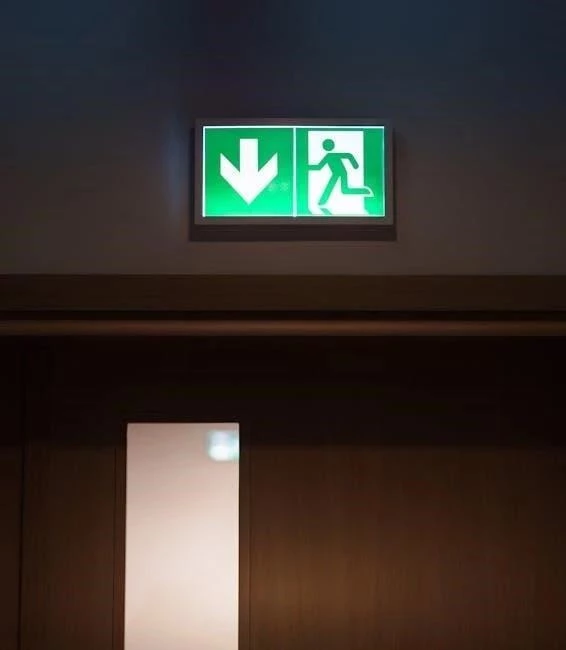
- High-Contrast Signage: Use red or bright green “EXIT” signs with large, sans-serif lettering placed at the senior’s eye level.
- Path-Finding Lights: Install motion-activated LED floor lighting that illuminates the route from the bedroom to the primary exit door.
- Tactile Cues: Use different floor textures (e.g., a smooth transition from carpet to a textured mat) to signal that the senior is approaching a door.
- Removing “Visual Holes”: Dark-colored doormats can look like deep pits to someone with dementia; replace them with light-colored, non-slip mats.
- Camouflaging Non-Exits: Doors to closets or basements should be painted the same color as the walls to prevent confusion during an evacuation.
- Clearance: NYC apartments are often cramped; ensure a minimum 36-inch wide path is maintained at all times toward the main exit.
Technology and Alarm Systems for Dementia Care NYC
Modern technology has revolutionized how we manage Dementia Care NYC in home settings. In New York’s multi-story apartment buildings, traditional locks are often insufficient. Integrated systems can provide caregivers with real-time data while ensuring the senior remains safe. However, technology must be used to supplement, not replace, human supervision.
- Door Contact Sensors: Wireless sensors that trigger a chime or a smartphone notification the moment an exterior door is opened.
- Smart Smoke Detectors: Systems like Nest or Ring that can be programmed to automatically turn on all smart lights and unlock smart deadbolts during an alarm.
- GPS Wearables: If a senior successfully navigates an emergency exit, a wearable GPS device ensures they can be located quickly in the city.
- Voice-Recorded Reminders: Some systems allow a caregiver to record their voice (“Mom, come this way to the door”) which plays during an alarm.
- Video Intercoms: Allows caregivers to see if the senior is standing at the door and provide verbal guidance through a speaker.
Legal and Safety Regulations for NYC Fire Escapes
New York City has some of the strictest fire codes in the world, governed by the FDNY and the Department of Buildings. When modifying a home for dementia safety, it is illegal to create a “trap.” Any modification for a Dementia-friendly emergency exit NYC must allow for manual operation from the inside without a key or special knowledge.
- No Double-Keyed Locks: It is a violation of NYC fire code to have a lock that requires a key to exit from the inside, even for dementia patients.
- Fire Escape Access: If your apartment uses a fire escape, the window leading to it must be easily operable and not blocked by heavy furniture or “child-proof” gates that the senior cannot open.
- Self-Closing Doors: NYC law requires apartment entry doors to be self-closing to prevent the spread of fire; ensure your dementia-related modifications do not interfere with this mechanism.
- FDNY “Vulnerable Person” Registry: You can notify your local precinct or fire house that a person with dementia lives in the unit, which helps first responders during a 911 call.
- Landlord Compliance: Always consult with your building management before installing permanent electronic locks or making structural changes.
Caregiver Communication Strategies During Emergencies
In a crisis, the way a caregiver communicates can be the difference between a successful evacuation and a dangerous confrontation. High stress levels can cause a senior with dementia to become combative or catatonic. Training in Dementia Care NYC communication techniques is essential for anyone living with a senior in the city.
- Short, Simple Commands: Instead of “We need to leave because the building alarm is going off,” use “Come with me. To the door.”
- Non-Verbal Guiding: Gently take the senior’s hand or use a “hand-under-hand” technique to lead them toward the exit.
- Maintaining a Calm Demeanor: Seniors often mirror the emotions of their caregivers; if you panic, they will panic.
- Avoid Arguing: If the senior wants to grab a personal item, try to have a “Go-Bag” ready to redirect their attention immediately to the exit.
- Repetition: Be prepared to repeat the same instruction multiple times without changing the wording, as this helps with cognitive processing.
Creating a “Go-Bag” and Documentation for NYC Memory Care
When an emergency requires you to leave your NYC home, you may not be able to return for hours or days. Having a specialized “Memory Care Go-Bag” near your Dementia-friendly emergency exit NYC is a clinical necessity. This bag should be updated every six months to reflect current medications and health status.
- Medication List and Supply: At least a 3-day supply of all psychiatric and physical medications, along with a copy of the current prescriptions.
- Identification: A photo of the senior, their Medicaid/Medicare cards, and a list of all emergency contacts (doctors and family).
- Comfort Items: A small familiar object, like a photo album or a specific blanket, to help reduce agitation in a shelter or hospital setting.
- Incontinence Supplies: Even if not normally needed, the stress of an emergency can cause temporary incontinence.
- NYC Resources: Keep a printed list of local 24-hour pharmacies and the contact info for the NY State DOH for guidance on emergency healthcare services.
- Hydration and Snacks: Non-perishable items that are easy to chew and swallow, considering potential dysphagia in advanced dementia.
Nurse Insight: In my experience, many NYC families overlook the “hidden in plain sight” approach. I often recommend placing a full-length mirror or a large curtain over the exit door during the evening hours. For many seniors with dementia, a mirror can be a deterrent because they don’t recognize their own reflection and won’t approach “the stranger,” while a curtain makes the door look like a simple wall, significantly reducing the risk of sundowning-related wandering without compromising fire safety.
Frequently Asked Questions
How can I prevent wandering while still keeping emergency exits accessible in NYC?
The key is to use visual camouflaging for daily use—such as painting doors the same color as walls—while ensuring that all Dementia-friendly emergency exit NYC points remain unlocked from the inside or equipped with FDNY-approved hardware that allows for a quick release during a fire.
Does NYC law allow for double-cylinder deadbolts in dementia care homes?
No, NYC fire codes generally prohibit double-cylinder deadbolts that require a key to exit from the inside, as these are life-threatening during a fire. Instead, expert Dementia Care NYC providers recommend using high-mounted latches or smart alarms that alert caregivers without trapping residents.
What are the best visual cues for a dementia-friendly exit?
Effective cues include high-contrast floor tape leading to the exit, ‘EXIT’ signs placed at eye level (which may be lower for those who stoop), and the removal of patterned rugs which can be perceived as holes or obstacles by seniors with spatial disorientation.
How often should an emergency evacuation plan be practiced?
In a Dementia Care NYC setting, it is recommended to review the plan monthly with caregivers and, if the senior is in the early stages, to walk through the path gently without causing undue stress or anxiety.
Can smart home technology help with emergency exits?
Yes, smart home systems can be integrated to turn on all lights and unlock designated smart locks automatically when a smoke detector is triggered, facilitating a faster and safer exit for seniors with cognitive impairment.
Contact ProLife Home Care NYC for a free clinical assessment:(718) 232 – 2777