Transitioning your loved one from an acute care facility back to their residence in New York City is a significant milestone, but it often comes with a heavy emotional burden for the family. As a nurse who has guided many families through this journey, I know that the fear of a second event can be overwhelming during the early stages of recovery. Your role as a vigilant observer is the most critical asset in ensuring their long-term safety and neurological health. By understanding the specific signs to watch for, you can move from a state of constant anxiety to one of informed and proactive caregiving.
Clinical Quick Answer
During In-Home Stroke Recovery, monitoring for stroke recovery red flags NYC home involves identifying sudden changes in facial symmetry, limb strength, and clarity of speech. A second stroke often manifests as a worsening of old symptoms or the abrupt onset of new neurological deficits such as loss of balance or severe dizziness. If any signs occur, calling 911 immediately is the only safe course of action to ensure access to NYC’s specialized stroke centers.
Understanding the Risk of Recurrent Stroke
The period following an initial cerebrovascular accident is a high-risk window for recurrence. Statistics indicate that nearly one in four stroke survivors will experience another stroke. This risk is particularly concentrated in the first few weeks and months after the initial event. Understanding why this happens is the first step in prevention.
- Vascular Vulnerability: The underlying conditions that caused the first stroke, such as atherosclerosis or atrial fibrillation, are still present and require aggressive management during In-Home Stroke Recovery.
- Medication Adjustment Period: Patients are often on new blood thinners or antihypertensives. If these are not managed correctly, the body may experience fluctuations in blood flow that trigger a secondary event.
- The 90-Day Critical Window: Clinical data shows that the highest risk for a second stroke occurs within the first 90 days. NYC caregivers must be especially vigilant during this timeframe.
- Compounding Risk Factors: In an urban environment like New York, factors such as air quality, noise stress, and the physical demands of navigating a city can put additional strain on a recovering cardiovascular system.
- Identifying TIA: Transient Ischemic Attacks, or “mini-strokes,” are major red flags. While symptoms may resolve quickly, they are often precursors to a major stroke and must be treated as emergencies.
Essential Stroke Recovery Red Flags NYC Home
Recognizing the warning signs requires a baseline understanding of the patient’s “new normal.” In the context of In-Home Stroke Recovery, you must distinguish between the slow progress of rehabilitation and the sudden onset of a new crisis. The following symptoms are absolute red flags.
- Sudden Facial Asymmetry: Watch for a new or worsening droop on one side of the face. This is often most noticeable when the patient tries to smile or talk.
- Unilateral Limb Weakness: If the patient suddenly cannot lift one arm or leg, or if they experience a significant drop in strength compared to their post-stroke baseline, this is a critical warning.
- Speech and Language Disruptions: This includes slurring words, using the wrong words for objects (aphasia), or a total inability to speak or understand commands that they were previously able to follow.
- Vision Alterations: Sudden double vision, loss of peripheral vision, or a “curtain” falling over one eye are classic signs of vascular compromise in the brain.
- Severe, Unexplained Headache: A “thunderclap” headache that comes on suddenly and is described as the worst pain of their life can indicate a hemorrhagic stroke.
- Loss of Coordination: A sudden inability to walk, a new tendency to lean to one side, or profound dizziness (vertigo) can signal a stroke in the cerebellum or brainstem.
Monitoring Vital Signs and Physiological Markers
Clinical monitoring at home goes beyond just watching for symptoms; it involves tracking the physiological data that indicates how the body is coping. For those in In-Home Stroke Recovery, keeping a daily log is a standard of care that can save lives.
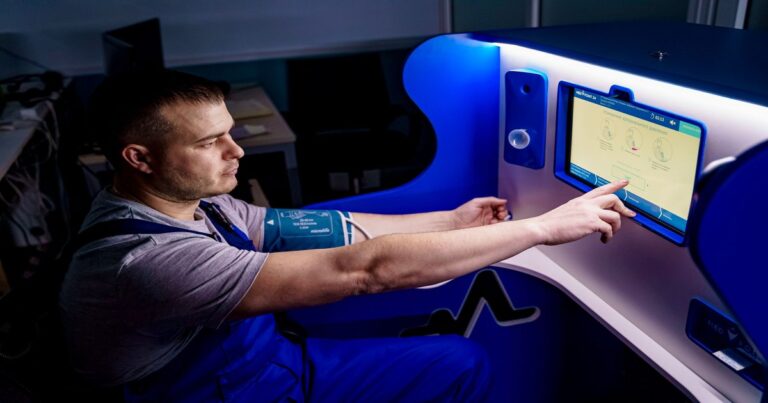
- Blood Pressure Management: Hypertension is the leading cause of stroke. Caregivers should use a validated upper-arm monitor to track BP twice daily. Readings consistently above 140/90 (or the target set by the NYC neurologist) require immediate medical consultation.
- Heart Rate and Rhythm: For patients with Atrial Fibrillation (AFib), an irregular pulse can indicate a high risk for clot formation. Monitoring for palpitations or a racing heart is essential.
- Blood Glucose Levels: For diabetic stroke survivors, high blood sugar can damage blood vessels, while hypoglycemia can mimic stroke symptoms. Maintaining stable levels is vital for neurological protection.
- Oxygen Saturation: Low oxygen levels can put extra stress on brain tissue that is already trying to heal. Using a simple pulse oximeter can help ensure the patient is oxygenating well, especially during sleep.
- Weight Monitoring: Sudden weight gain can indicate fluid retention, which puts a strain on the heart and increases stroke risk, especially in patients with comorbid heart failure;
Environmental and Behavioral Observations
Sometimes the red flags aren’t purely physical. Behavioral changes can be subtle indicators that something is wrong with the cerebral blood flow. In the unique setting of NYC apartments, these changes might manifest in specific ways.
- Sudden Confusion or Delirium: If a patient who was previously oriented suddenly doesn’t know where they are or doesn’t recognize family members, this is a neurological emergency.
- Changes in Personality: Unusual irritability, aggression, or profound apathy can sometimes be the only visible signs of small strokes occurring in the frontal lobe.
- Increased Somnolence: While fatigue is common during In-Home Stroke Recovery, a patient who is suddenly difficult to rouse or who sleeps significantly more than their established pattern needs evaluation.
- Difficulty Swallowing (Dysphagia): A sudden worsening in the ability to swallow food or liquids can lead to aspiration pneumonia and may indicate a worsening neurological state.
- Fall Incidents: Even if a fall doesn’t result in an immediate injury, it is often a sign of declining neurological or motor control and should be reported to the medical team immediately.
Navigating NYC Emergency Resources
Living in New York City provides access to some of the world’s best medical care, but the system can be complex during a crisis. Knowing exactly how to trigger the emergency response system is a core part of the care plan.
- The 911 Protocol: When you call 911 in NYC, clearly state “stroke symptoms.” This triggers a specific protocol that ensures the patient is taken to a New York State designated Stroke Center rather than just the nearest emergency room.
- Choosing the Right Hospital: While EMS makes the final call based on proximity and capability, knowing the nearest Comprehensive Stroke Center (like NYU Langone, Mount Sinai, or NYP) can help you communicate with the paramedics.
- The Importance of Documentation: Keep a “Go-Bag” near the door with a list of all current medications, the time the last dose was taken, and a summary of the initial stroke. This saves precious minutes in the ER.
- Accessing NY State DOH Resources: The NY State DOH provides guidelines on stroke center designations and patient rights, which can be helpful for long-term planning.
- NYC Visiting Nurse Services: Utilize local home health agencies that specialize in stroke. These professionals can provide an extra set of expert eyes to catch red flags before they become catastrophic.
Long-Term Prevention Strategies at Home
Prevention is the ultimate goal of monitoring. By managing the environment and the patient’s daily habits, you can significantly lower the risk of seeing those stroke recovery red flags NYC home caregivers fear.
- Medication Adherence: Missing even a single dose of an anticoagulant or blood pressure medication can create a window of risk. Use pill organizers and phone alarms to ensure 100% compliance.
- Dietary Adjustments: NYC is full of high-sodium takeout options. Focus on a DASH or Mediterranean diet low in processed salts to help keep blood pressure within a safe range.
- Gradual Physical Activity: Work closely with physical therapists to ensure the patient is moving safely. Movement improves circulation and helps prevent the blood clots that lead to recurrent strokes.
- Smoking Cessation and Alcohol Limit: If the patient smoked or consumed alcohol prior to the stroke, complete cessation is the single most effective way to reduce the risk of a second event.
- Stress Reduction: The fast-paced nature of NYC life can be stressful for a survivor. Create a calm home environment and limit excessive noise and chaotic schedules to keep cortisol levels down.
Nurse Insight: In my experience, caregivers often hesitate to call for help because they don’t want to be “wrong” or cause a false alarm. In the world of In-Home Stroke Recovery, there is no such thing as a false alarm. It is always better to have a paramedic tell you everything is fine than to wait and lose the “golden hour” for treatment. If your gut tells you something is different, act immediately. Your intuition is one of the most powerful tools in your loved one’s recovery.
Frequently Asked Questions
Can a second stroke have different symptoms than the first?
Yes, a second stroke can occur in a different part of the brain, leading to entirely new symptoms. For example, if the first stroke affected speech, the second might affect vision or balance. Never assume it isn’t a stroke just because the symptoms look different than last time.
How often should I check blood pressure during In-Home Stroke Recovery?
Generally, it is recommended to check blood pressure twice daily—once in the morning and once in the evening. However, if the patient feels dizzy, has a headache, or seems “off,” you should take an additional reading immediately.
What is the most common reason for a second stroke at home?
The most common reasons are uncontrolled high blood pressure and failure to take prescribed blood-thinning medications. Ensuring these two factors are managed is the best way to prevent a recurrence.

Should I give the patient an aspirin if I suspect a second stroke?
No, do not give aspirin or any food/drink until they have been evaluated. If the stroke is hemorrhagic (bleeding), aspirin could make the situation significantly worse. Wait for emergency professionals to arrive.
Are there specific NYC programs that help with home monitoring?
NYC offers various Managed Long Term Care (MLTC) programs and visiting nurse services that can provide equipment and professional monitoring. Check with the NY State DOH or your insurance provider for local NYC options available to you.
Contact ProLife Home Care NYC for a free clinical assessment:(718) 232 – 2777