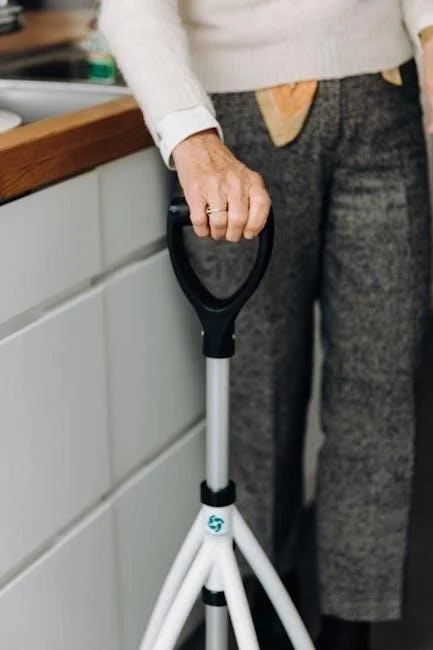
Watching a parent or loved one age is a deeply personal journey that requires both clinical expertise and profound emotional sensitivity. As a nurse working within the heart of the Brooklyn community, I understand that care is never just about medicine; it is about honoring a lifetime of traditions and values. Our families deserve to know that their elders are being cared for in a way that respects the sanctity of their homes and the strictures of their faith. By bridging the gap between professional healthcare and Halachic requirements, we ensure that our seniors live with the dignity they have earned.
Clinical Quick Answer
Halachic care for the Orthodox Jewish community integrates professional Nursing Assessment NYC protocols with strict adherence to Jewish law, focusing on modesty, Kosher requirements, and Shabbat observance. This specialized approach ensures that clinical interventions, such as wound care or medication management, do not conflict with religious obligations unless life-safety (Pikuach Nefesh) is at risk. For families seeking Jewish senior care Brooklyn NYC, this means accessing a network of caregivers and clinicians who are culturally competent and deeply familiar with the communal standards of neighborhoods like Boro Park and Midwood.
The Critical Role of Nursing Assessment NYC in Cultural Care
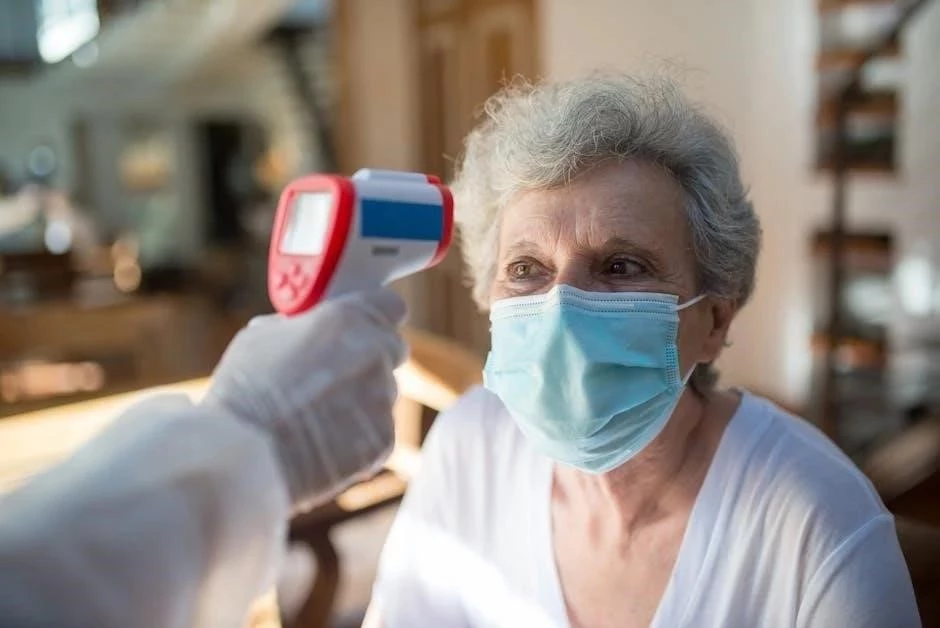
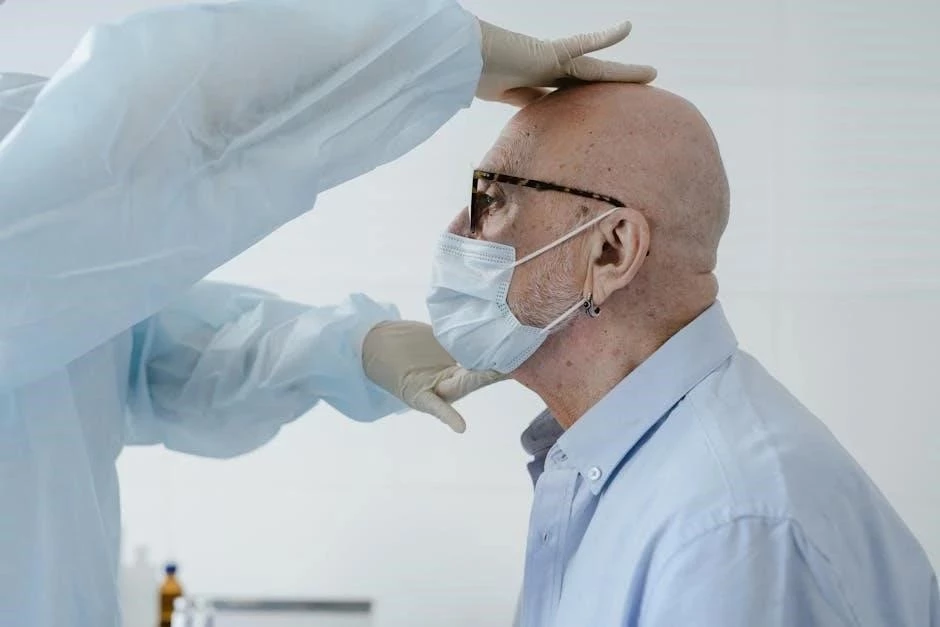
When we begin the process of arranging home care, the initial Nursing Assessment NYC serves as the blueprint for all future interventions. This is not merely a checklist of physical ailments; it is a comprehensive evaluation of the environment, the patient’s cognitive state, and their spiritual needs. In the Orthodox community, this assessment must be handled with extreme delicacy. For example, a female patient may specifically request a female nurse to conduct the physical exam to maintain tzniut (modesty). As clinicians, we must respect these boundaries while ensuring we capture all necessary data for Medicaid or private insurance compliance.
- Evaluation of Activities of Daily Living (ADLs) within the context of a religious household.
- Assessment of the home for safety hazards, including those unique to holiday preparations (e.g., candle lighting areas).
- Review of medication schedules to ensure they do not conflict with fasting days unless medically necessary.
- Coordination with the family’s Rabbi to clarify any clinical-religious conflicts.
- Documentation of the need for specialized equipment that is Shabbat-compliant.
Navigating Jewish Senior Care Brooklyn NYC Neighborhoods
Brooklyn is home to some of the most vibrant and dense Orthodox Jewish populations in the world. From the bustling streets of Williamsburg to the quiet residential blocks of Midwood, Jewish senior care Brooklyn NYC must be hyper-local. A caregiver working in these areas must understand more than just the language; they must understand the rhythm of the week. Friday afternoons involve a heightened sense of urgency as the household prepares for the Sabbath, and a care plan must account for the cessation of certain activities once the sun sets.
- Integration with local Hatzolah services for emergency medical response.
- Proximity to specialized Kosher pharmacies and medical supply stores.
- Understanding the diverse needs of Hasidic, Yeshivish, and Sephardic communities within Brooklyn.
- Coordination of transport to medical appointments that avoid Kohanim-related restrictions in certain hospitals.
- Utilization of local community centers for social engagement and mental health support.
Clinical Protocols for Shabbat and Yom Tov
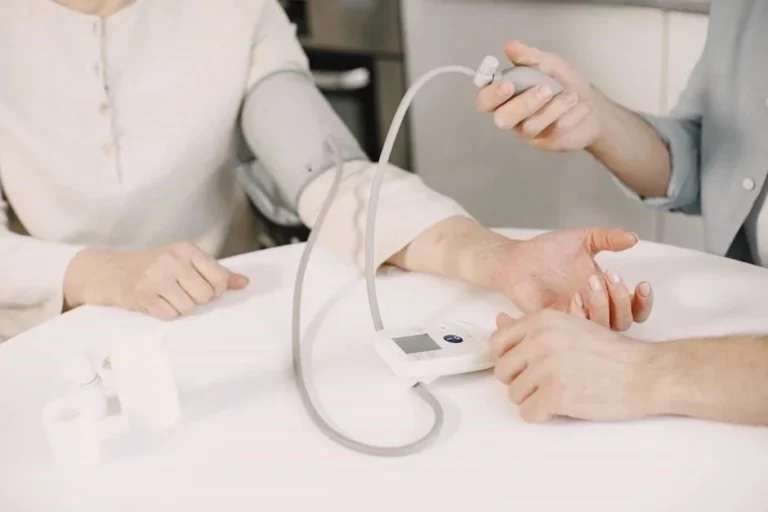
One of the most complex aspects of providing nursing care in an Orthodox home is the management of Shabbat and Jewish holidays (Yom Tov). Under Jewish law, many everyday actions are restricted, but the preservation of health is a primary commandment. A professional Nursing Assessment NYC will identify which tasks are essential for the patient’s survival and which can be modified. For instance, electronic blood pressure monitors or oxygen concentrators may require specific setups or “Shabbat clocks” to ensure they function without active intervention by the patient or a Jewish caregiver.
- Use of non-electronic thermometers or pre-set monitoring devices.
- Ensuring caregivers are trained on what constitutes a medical emergency that overrides Shabbat restrictions.
- Planning meal preparation so that no cooking occurs on the Sabbath.
- Arranging for non-Jewish “Shabbos Goy” assistance if specific manual tasks are required that the family cannot perform.
- Managing wound care and bandage changes in a way that adheres to Halachic guidelines regarding tearing or adhesive use.
Kosher Nutrition and Medical Dietary Management
Nutrition is a cornerstone of geriatric health, particularly for seniors managing chronic conditions like diabetes or hypertension. In the context of Jewish senior care Brooklyn NYC, this is further complicated by the laws of Kashrut. A nurse must ensure that the patient is receiving adequate protein and nutrients while strictly following the separation of dairy and meat. Furthermore, during holidays like Passover, dietary restrictions become even more stringent, requiring careful oversight to ensure a senior’s blood sugar levels remain stable while they consume ritual foods like Matzah.
- Verification of Hechsher (Kosher certification) on nutritional supplements and liquid diets.
- Education for caregivers on the use of separate sinks, sponges, and utensils in the home.
- Managing the “fasting” requirements of holidays like Yom Kippur, often involving clinical recommendations that the senior must eat for health reasons.
- Monitoring for malnutrition or dehydration in seniors who may be hesitant to eat non-certified hospital food.
- Collaborating with registered dietitians who specialize in Kosher meal planning.
The Sanctity of Life: End-of-Life Care and Halacha
In the Orthodox tradition, the end of life is a period of intense sanctity and specific legal requirements. Nursing care during this time focuses on comfort and pain management while being extremely cautious about any intervention that might inadvertently hasten death, which is strictly forbidden. A Nursing Assessment NYC for a terminal patient involves working closely with both the medical team and the family’s Rav (Rabbi) to navigate the fine line between palliative care and the Halachic obligation to preserve life.
- Ensuring DNR (Do Not Resuscitate) orders are reviewed by a Halachic authority before implementation.
- Providing culturally sensitive hospice care that allows for constant presence (Shemira) near the patient.
- Respecting the laws of Niddah and physical contact during the final stages of life.
- Facilitating traditional rites and prayers (Viduy) as the patient nears the end.
- Proper handling of the body after passing in accordance with Chevra Kadisha standards.
Compliance and Regulation: Working with the NY State DOH
All home care services in New York must adhere to the rigorous standards set by the NY State DOH. For Jewish senior care Brooklyn NYC providers, this means maintaining impeccable records of nursing visits, treatment plans, and caregiver hours. The challenge lies in meeting these state mandates while respecting the private, religious nature of the home. Professional agencies must ensure their staff is trained not only in clinical excellence but also in the legal nuances of New York’s Medicaid and CDPAP programs, which often fund these vital services.
- Adherence to Department of Health (DOH) guidelines for infection control in the home.
- Maintaining accurate electronic visit verification (EVV) that respects Shabbat (using non-digital workarounds where permitted).
- Ensuring all caregivers have updated immunizations and background checks as per NYC law.
- Participating in regular audits to ensure the quality of care remains at the highest standard.
- Advocating for the patient during MLTC (Managed Long-Term Care) evaluations to secure the necessary hours of care.
Nurse Insight: In my experience, the most successful care outcomes happen when the nurse becomes an extension of the family’s support system. I have seen many cases where a senior’s health improved simply because they felt their lifestyle was being respected—whether it was ensuring their Siddur was within reach or finding a caregiver who could speak Yiddish. Never be afraid to ask your nursing evaluator how they handle specific Halachic concerns; a truly competent NYC nurse will welcome that conversation as a sign of your dedication to your loved one’s well-being.
Frequently Asked Questions
Does Medicaid cover specialized Halachic care in Brooklyn?
Yes, Medicaid covers home care services through various programs like MLTC or CDPAP. While Medicaid pays for the clinical care, the specialization comes from choosing an agency that understands and implements Halachic standards within those covered hours.
How do we handle a nursing assessment if it falls on a Jewish holiday?
Most specialized agencies in NYC will proactively schedule around the Luach (Jewish calendar). If an assessment is urgent, it can be conducted on Chol HaMoed (intermediate days), but rarely on a major Yom Tov unless it is a medical emergency.
What if the assigned caregiver is not Jewish?
This is very common. The key is cultural competency training. The agency should provide the caregiver with a checklist of “do’s and don’ts” for a Kosher, Shabbat-observant home to ensure no accidental violations of Halacha occur.
How is medication managed for seniors who want to fast on Yom Kippur?
This requires a clinical consultation. A nurse will evaluate the risk of skipping medication. Often, a Rabbi will rule that the senior must take their medication with a small amount of water or “shiurim” (measured amounts) to satisfy both medical and religious requirements.
What neighborhoods in Brooklyn have the best access to these services?
While services are available throughout NYC, the highest concentration of specialized Jewish senior care is found in Boro Park, Midwood, Flatbush, Williamsburg, and Crown Heights, where the infrastructure for Kosher support is most robust.
Contact ProLife Home Care NYC for a free clinical assessment:(718) 232 – 2777